Travel disappointment is rarely about a place being ugly or pointless. It is usually about a mismatch between what people imagined and what they could actually experience in a crowded, expensive, tightly timed day. A destination can still be beautiful and still feel underwhelming in practice. That contradiction is what many travelers remember most.
Across major destinations, the same pattern shows up: massive demand, narrow peak windows, and itineraries shaped by social media more than local rhythm. Some cities and landmarks have responded with access controls, fees, or behavior rules because pressure is no longer occasional. It is structural in peak season.
That does not mean these places are bad. It means the fantasy version often strips out queues, heat, traffic, reservation scarcity, and crowd noise. When those realities arrive all at once, even iconic views can feel strangely flat. Travelers then describe the trip as fine, not unforgettable.
This list looks at 10 places that often trigger that reaction. Each one still has real value, but each also has a common failure point that turns hype into frustration when timing and expectations are off. The goal is not to cancel the dream. It is to make the dream more accurate.
Venice
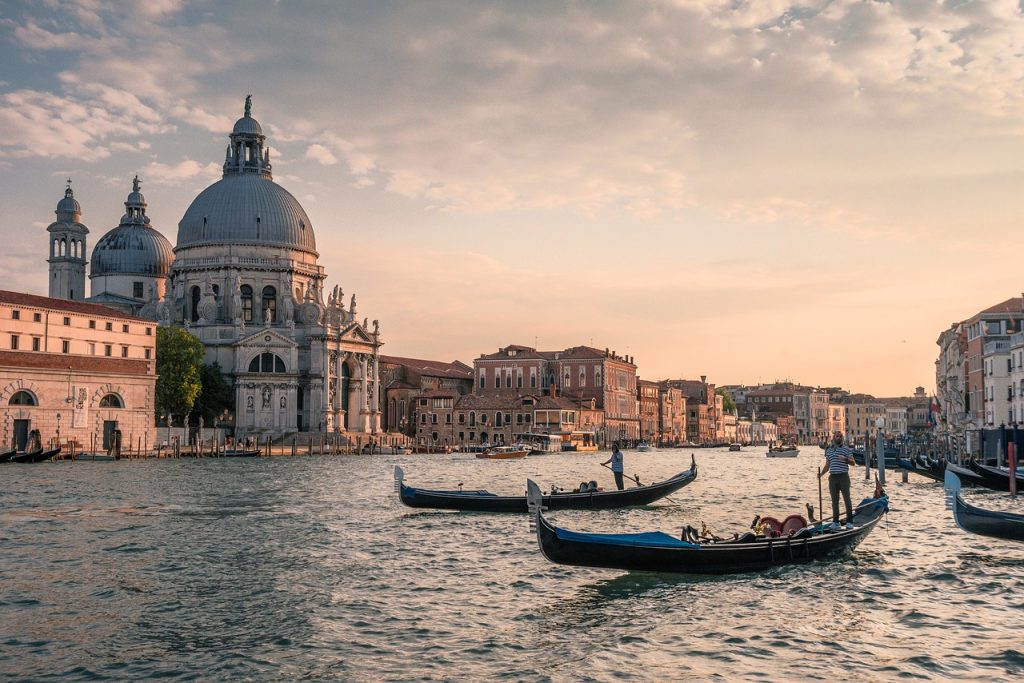
Venice still delivers one of the most distinctive cityscapes on earth. The canals, facades, and tight alley network create moments that feel cinematic, especially early in the morning. The letdown usually starts later, when foot traffic thickens and simple movement becomes slow and tactical. Many travelers say they expected flow and found bottlenecks.
The city has openly acknowledged crowd pressure through its day-tripper entry-fee system and later expansion plans. That policy choice tells you the issue is not just anecdotal complaints on travel forums. It is a management challenge at city scale.
Another mismatch is price psychology. Visitors often budget for hotels and museums, then get worn down by the smaller costs that stack up through the day. A scenic stop starts to feel transactional when every pause has a premium attached. The place is still special, but the mood shifts.
Travelers who leave room for quieter neighborhoods and early starts usually report a different experience. Venice tends to reward patience, not checklist speed. When people treat it like a race between landmarks, disappointment rises fast. The city is delicate, and rushed tourism rarely feels good there.
Santorini
Santorini’s postcard promise is real. The cliffside views, white architecture, and late-day light can be extraordinary in person. The common complaint is not that it looks worse than photos. The complaint is that peak-time access to those views can feel crowded and competitive.
Reuters reporting has described local calls for visitor caps as infrastructure strains under heavy volume. So when travelers mention packed sunset corridors and a constant sense of squeeze, that aligns with a broader reality, not isolated bad luck.
Cruise timing can also reshape the day. Certain windows feel calm, then suddenly shift into high density around key paths and viewpoints. If someone planned a relaxed evening but arrives during a surge, the emotional tone changes from romantic to tactical within minutes.
People who visit shoulder season, stay longer, and move beyond the same two photo points tend to enjoy the island far more. Santorini can still be magical, but it has become less forgiving of rigid itineraries. The hype breaks when flexibility disappears. The place works best when the schedule breathes.
Mykonos
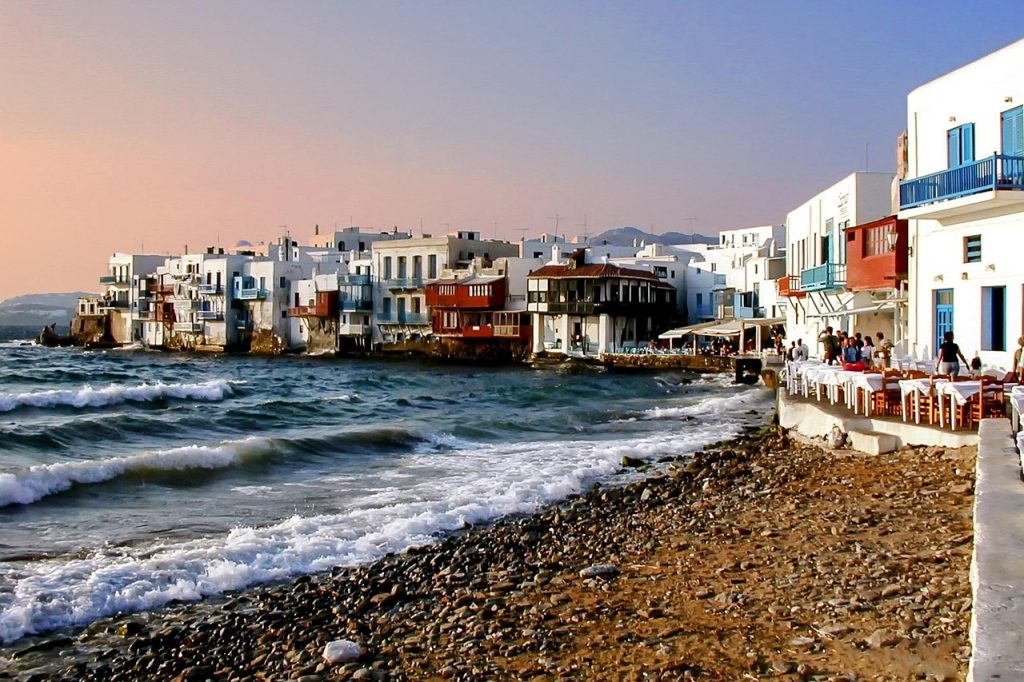
Mykonos is sold as effortless fun. In reality, many travelers hit a sharper edge: high seasonal pricing, crowded beach circuits, and social pressure around where to go and how much to spend. The island can feel like a status ecosystem rather than a carefree escape. That gap surprises first-time visitors.
Daytime expectations often clash with logistics. Transport bottlenecks, reservation windows, and busy waterfront strips can eat into the hours people imagined as easy. When the day becomes a chain of waits and coordination, the vibe starts to feel managed instead of spontaneous.
Nightlife is still a major draw, but it is not always aligned with what every traveler wants once they arrive. Some expect lively and inclusive, then discover scene fragmentation by budget, venue style, or entry policy. None of that is inherently bad, but it can make the experience feel narrower than promised.
Travelers who treat Mykonos as one stop in a broader Cyclades plan usually come away happier. The island can be great in targeted doses with clear expectations. Disappointment climbs when people expect nonstop perfection from a place that is both glamorous and demanding at peak times.
Bali
Bali remains deeply compelling for culture, landscape, and craft traditions. The friction point is concentration, not beauty. Certain hubs carry so much tourism volume that short trips can feel dominated by traffic, queues, and stop-start movement. Travelers who expected calm often describe calendar stress instead.
Indonesia has publicly discussed tourism-quality reforms in Bali, including audits and proposed moratorium approaches in some areas. That context matters because it confirms overdevelopment concerns are being addressed at policy level, not just in opinion pieces.
There is also an expectation trap built by highly curated itineraries. People arrive with a tight list of viral locations that many others are chasing the same day. When those stops turn into line-heavy photo routines, the island can feel performative rather than immersive.
Visitors who spread out geographically and slow their pace usually report a much better trip. Bali still offers extraordinary depth when approached with local rhythm in mind. The disappointment pattern shows up most when people compress too much into too little time and stay locked in hotspot loops.
Barcelona
Barcelona gives travelers architecture, food, coastline, and neighborhood culture in one compact map. Yet many visitors say the trip felt more tense than expected. The city’s popularity can produce real crowd fatigue, especially in heavily trafficked corridors where every block feels overbooked.
In 2024, anti-tourism protests in Barcelona drew global attention, including incidents that became symbolic of local frustration. That does not define the whole city, but it does show why some travelers sense social strain around mass tourism conversations.
Another mismatch is itinerary compression. People try to do Gaudí landmarks, old town, and beach zones in one sweep, then spend the day navigating queues and transport pivots. The city is rich, but it punishes overstuffed plans. What should feel atmospheric can become procedural.
Barcelona tends to reward neighborhood depth over monument stacking. Longer meals, smaller museums, and off-peak timing change the trip dramatically. Travelers who shift from checklist mode to local cadence usually leave with stronger memories and less frustration. The hype breaks when every hour is pre-assigned.
Kyoto
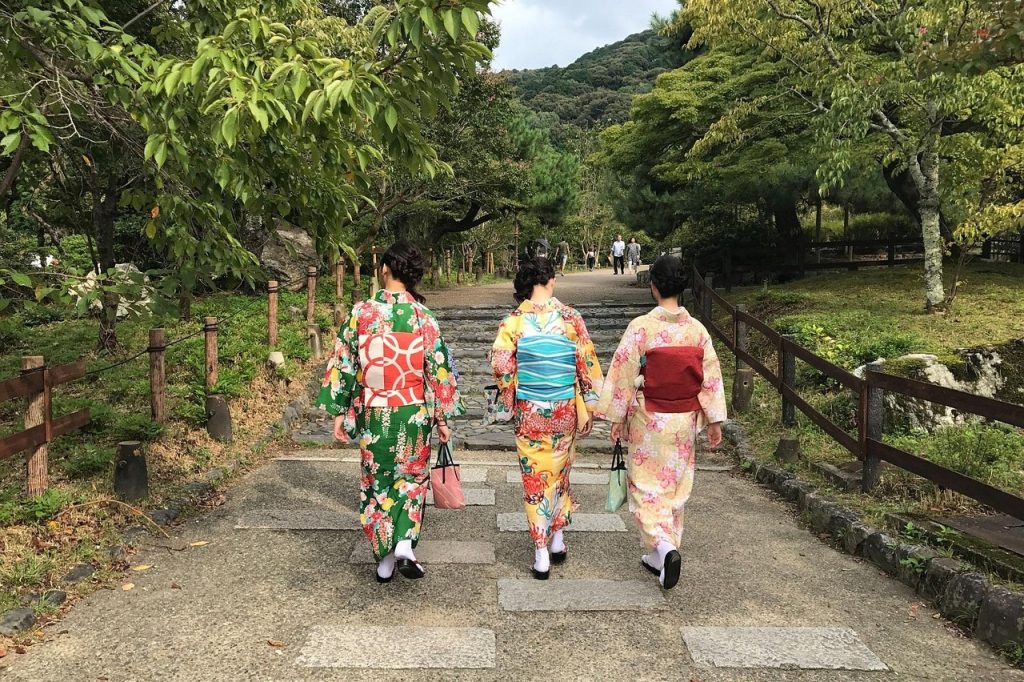
Kyoto is often imagined as a serene, timeless city where every lane feels quiet and ceremonial. Some parts still do feel that way, especially early and away from headline districts. But many travelers arrive during peak density and meet heavy foot traffic instead of the calm they expected.
Kyoto’s Gion area introduced restrictions on some private alleys after repeated behavior issues and overcrowding concerns. That move is a clear signal that visitor pressure is real in specific zones and has required formal boundaries.
The emotional mismatch here is subtle. Visitors want respectful cultural immersion, yet crowded conditions can push behavior toward quick photos and rushed movement. Even well-intentioned travelers can end up participating in a pace that feels at odds with the place itself.
Kyoto still rewards careful planning. Early temple visits, quieter districts, and realistic daily scope can restore the city’s depth quickly. People who treat it as a slow city usually love it. People who run it like a highlight reel often report that it looked amazing but felt thin.
Mount Fuji
Mount Fuji is one of the world’s clearest travel symbols, and that symbol creates huge expectations. Travelers picture an elegant climb and a transcendent summit moment. In practice, conditions, weather, and crowd management decisions shape the experience far more than the postcard suggests.
Authorities introduced a daily cap and fee on the Yoshida Trail in 2024, and reporting in 2025 noted a higher fee on that route. Those changes reflect sustained pressure from safety and environmental concerns, not a minor operational tweak.
The biggest surprise for many visitors is how physical and procedural the climb feels. Timing gates, altitude stress, and uneven terrain can turn a symbolic goal into a demanding logistics exercise. If someone expected a casual hike, the gap can feel harsh.
People who prepare seriously and accept weather uncertainty usually describe the climb as meaningful, even when it is tough. People who arrive with purely visual expectations are more likely to feel underwhelmed or overwhelmed. Fuji still delivers, but it rewards readiness over spontaneity.
Eiffel Tower
The Eiffel Tower rarely disappoints as an image. It disappoints when travelers expect the on-site process to feel as effortless as the view from afar. Security lines, timed entries, and dense crowds can dominate the visit, especially at peak hours, and that practical layer catches people off guard.
Many travelers later say their favorite Eiffel memories came from seeing it across the city rather than from inside queue systems. That does not mean going up is pointless. It means the emotional payoff depends heavily on timing, patience, and what you hoped the visit would feel like.
Another friction point is single-landmark pressure. When people make one monument carry the whole weight of Paris, any delay or crowding feels bigger than it should. The city has too much texture for one stop to define the trip, but hype often pushes in that direction.
Travelers who pair the tower with neighborhood time usually report a more balanced day. A strong Paris visit is rarely one dramatic moment. It is a sequence of streets, meals, river light, and smaller encounters that make the icon feel contextual, not overloaded.
Colosseum
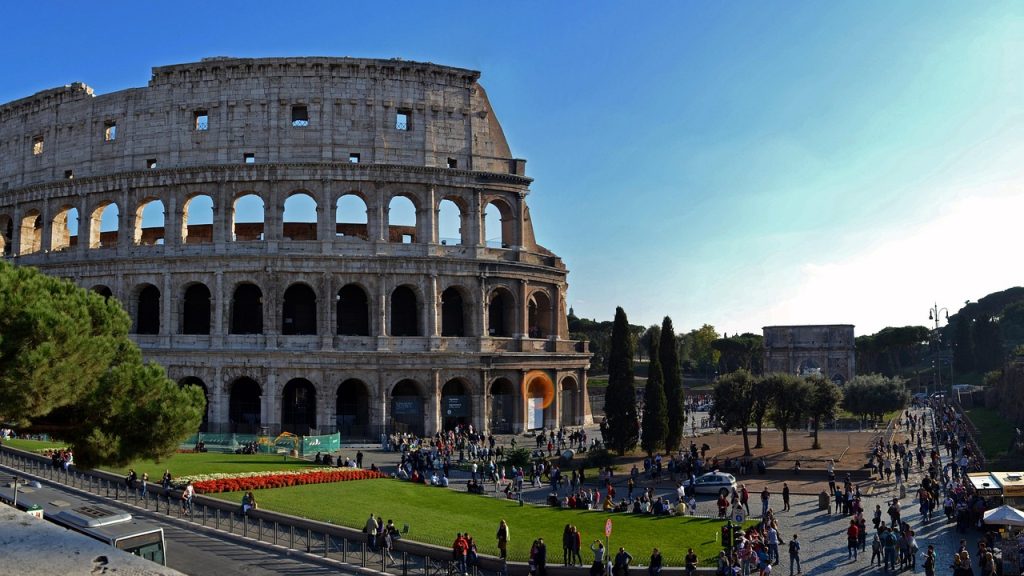
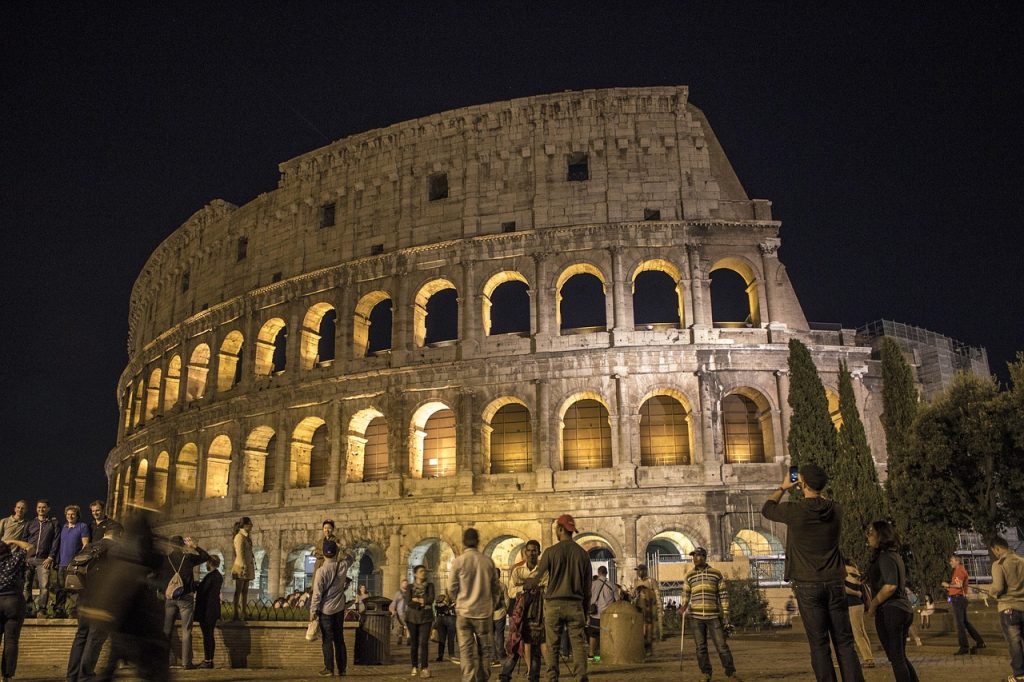
The Colosseum has undeniable historical force. Most visitors are impressed by scale and continuity once they enter. The disappointment usually appears around the edges: timed slots, dense pathways, heat management, and the sense that everyone is moving at the same constrained pace.
Many people also arrive with a purely cinematic expectation, then realize the site reads best with context. Without time in surrounding forums or related museums, the visit can feel visually strong but intellectually thin. The monument is powerful, but it asks for framing.
Another issue is energy budgeting. Travelers often place the Colosseum in a packed midday sequence, then hit fatigue before they can absorb detail. That is not a flaw in the site. It is a planning mismatch that makes a major landmark feel rushed.
Visitors who slow down and spread ancient Rome across multiple windows tend to leave more satisfied. The Colosseum works best as part of a layered story, not a single high-pressure stop. Hype fades when people treat it as a standalone trophy instead of one piece of a larger historical landscape.
Grand Canyon
Grand Canyon almost always lands emotionally on first view. The scale is so large that photos do not fully prepare people for it. Yet disappointment still appears in reviews, usually tied to crowd concentration at marquee viewpoints and short itineraries that end before the landscape unfolds.
Official park statistics show very high annual visitation, including nearly 4.92 million visits in 2024. With numbers like that, crowded windows at popular rims are unsurprising, especially during prime travel periods.
The deeper mismatch is duration. Many travelers expect a single overlook to deliver the whole experience, then feel they checked a box rather than truly connected with the place. The canyon rewards time, changing light, and even short trail movement far more than quick stops.
People who arrive early, stay longer, and build in walking time usually report far stronger memories. The canyon is not underwhelming. It is simply easy to under-experience if the plan is too compressed. Hype falls apart when the schedule ignores the scale of the landscape itself.
Sources