Geopolitical analysts and military historians observe that the Iron Curtain may have fallen decades ago, but its ghost continues to dictate the logistics of travel in specific high-security zones. Security consultants emphasize that these locations are not merely museums of a bygone era but active or dormant strategic sites where entry protocols remain frozen in a state of heightened vigilance. The legacy of nuclear proliferation, espionage, and ideological partition has left behind a patchwork of restricted areas where the rules of entry are far more complex than a standard visa application.
Travel risk management firms note that visiting these destinations often requires navigating a bureaucracy designed during the height of East-West tensions. From background checks and military escorts to strict prohibitions on photography and electronics, the visitor experience is defined by the security architecture established to protect state secrets. Understanding the specific historical context of these sites allows travelers to appreciate why a simple sightseeing trip often involves interacting with active military personnel and adhering to regulations that prioritize national defense over tourism.
The Korean Demilitarized Zone In Korea
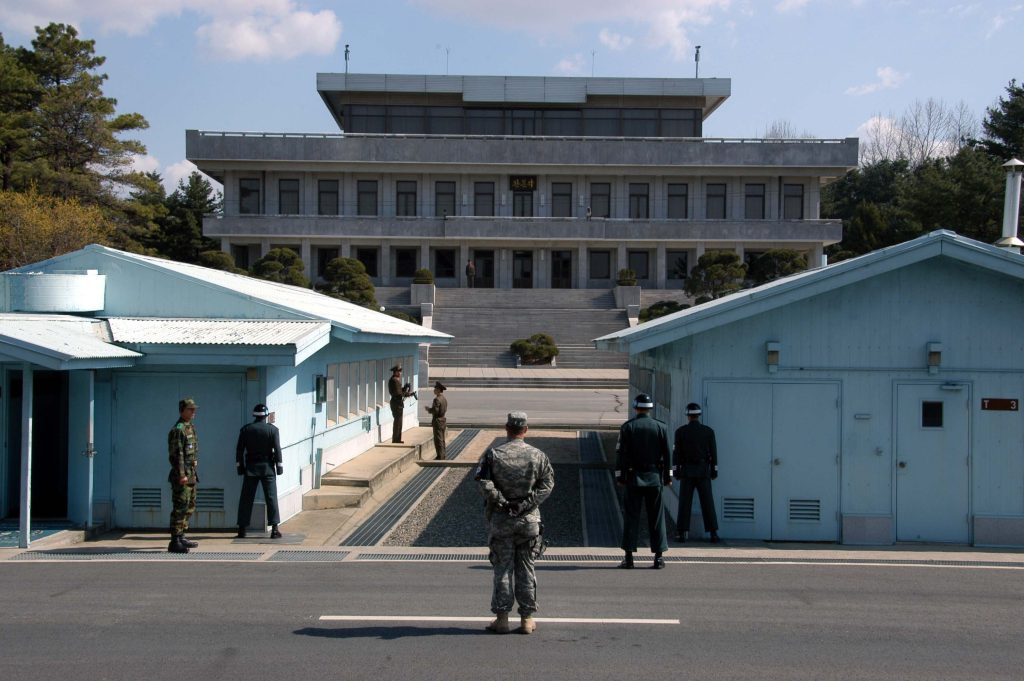
United Nations Command officials and regional security experts enforce some of the strictest border protocols in the world at the Joint Security Area in Panmunjom. The armistice agreement signed in 1953 still governs the daily operations of this buffer zone, meaning that civilian access is entirely dependent on the current military threat level. Tour operators emphasize that visitors must sign affidavits acknowledging the risk of injury or death as they enter a zone that technically remains at war.
Defense analysts point out that the rigid dress code required for visitors is a direct result of Cold War propaganda battles. Military escorts ensure that tourists do not wear ripped jeans or unkempt clothing that could be photographed by North Korean soldiers and used to depict Western poverty. The movement of tour groups is choreographed to the second, with strict prohibitions on pointing, gesturing, or making eye contact with guards across the demarcation line, preserving a fragile diplomatic stasis.
The Nevada National Security Site In United States
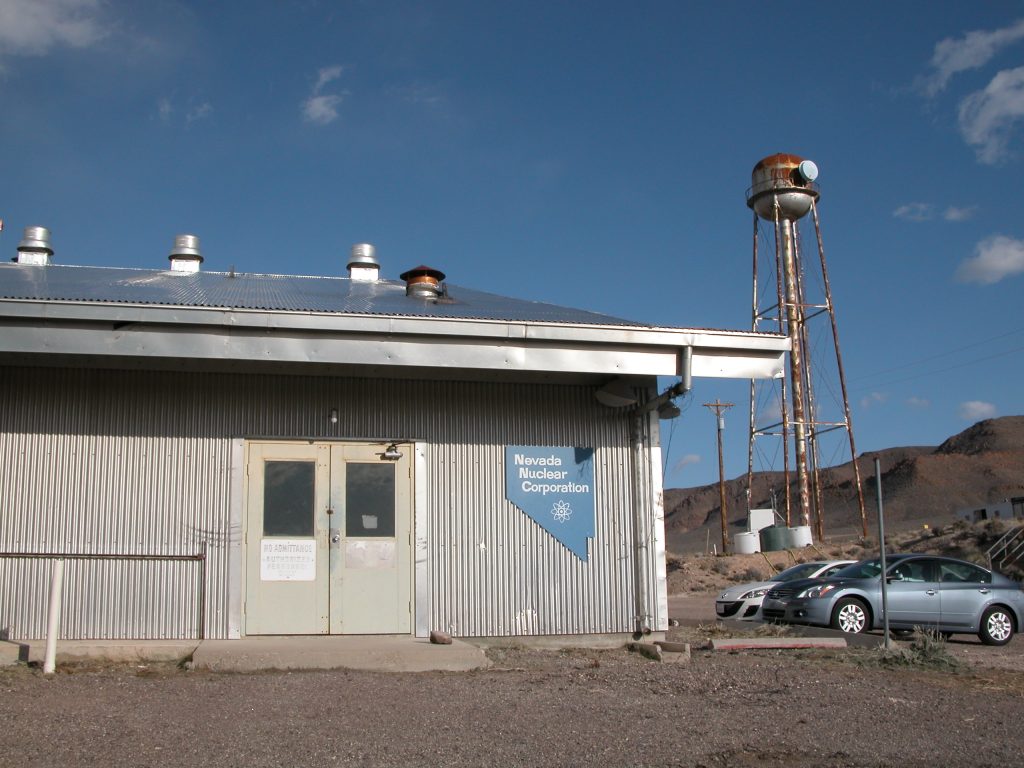
Department of Energy officials and nuclear history curators manage public access to this active experimental complex with protocols rooted in top-secret clearance procedures. Originally known as the Nevada Test Site, this area was the primary venue for American nuclear testing and remains a hub for national security research. Visitors wishing to tour the sedimentary craters and industrial remnants must undergo a rigorous background check months in advance to secure a seat on the limited monthly bus tours.
Security contractors strictly enforce a ban on all electronic devices, including cell phones, cameras, and GPS trackers, to prevent the inadvertent recording of sensitive infrastructure. Historians note that the tour route is carefully sanitized to reveal only declassified zones, keeping active defense projects hidden from view. The entire experience is a lesson in information control, where the narrative and the physical path are dictated by the enduring requirements of nuclear secrecy.
Baikonur Cosmodrome In Kazakhstan
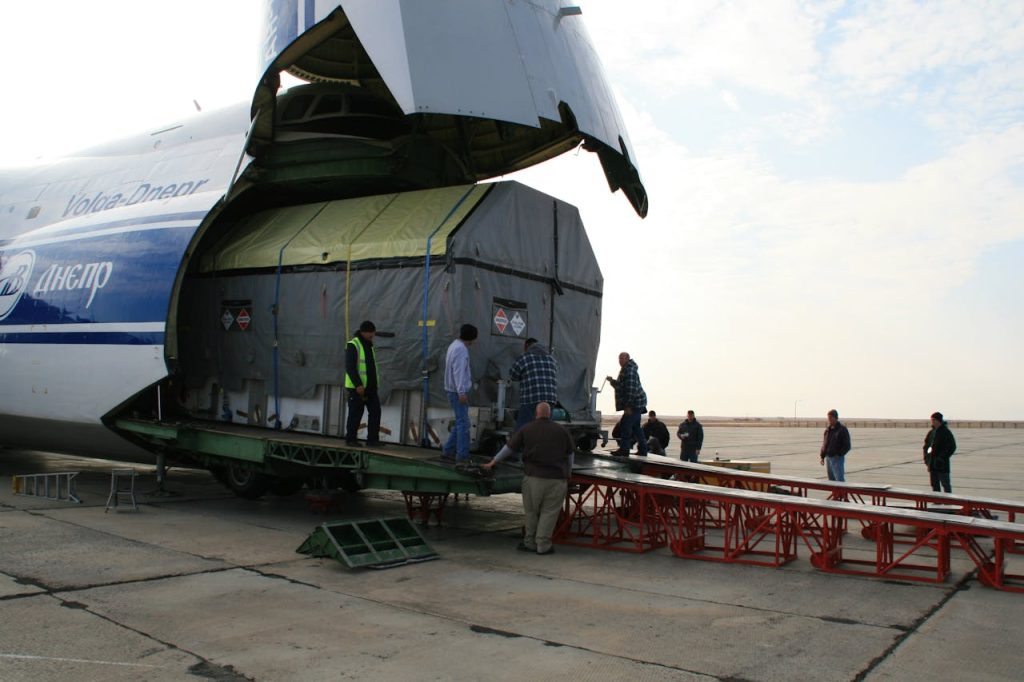
Aerospace logistics experts and Russian federal agents oversee entry to this spaceport, which operates as a Russian enclave within Kazakh territory. The lease agreement between the two nations maintains the closed status of the city and the launch facilities, a relic of the Soviet space program’s strategic importance. Travel to Baikonur requires special permission from Roscosmos, a process that security consultants advise initiating at least two months prior to the intended visit.
The city itself retains the atmosphere of a Soviet closed municipality, with checkpoints guarding the perimeter. Visitors must remain with authorized guides at all times and are restricted to specific viewing areas during launches. The legacy of the Space Race shapes every aspect of the visit, from the intense scrutiny of documents at the city gates to the prohibition on entering operational assembly buildings where the next generation of rockets is prepared.
Transnistria In Moldova
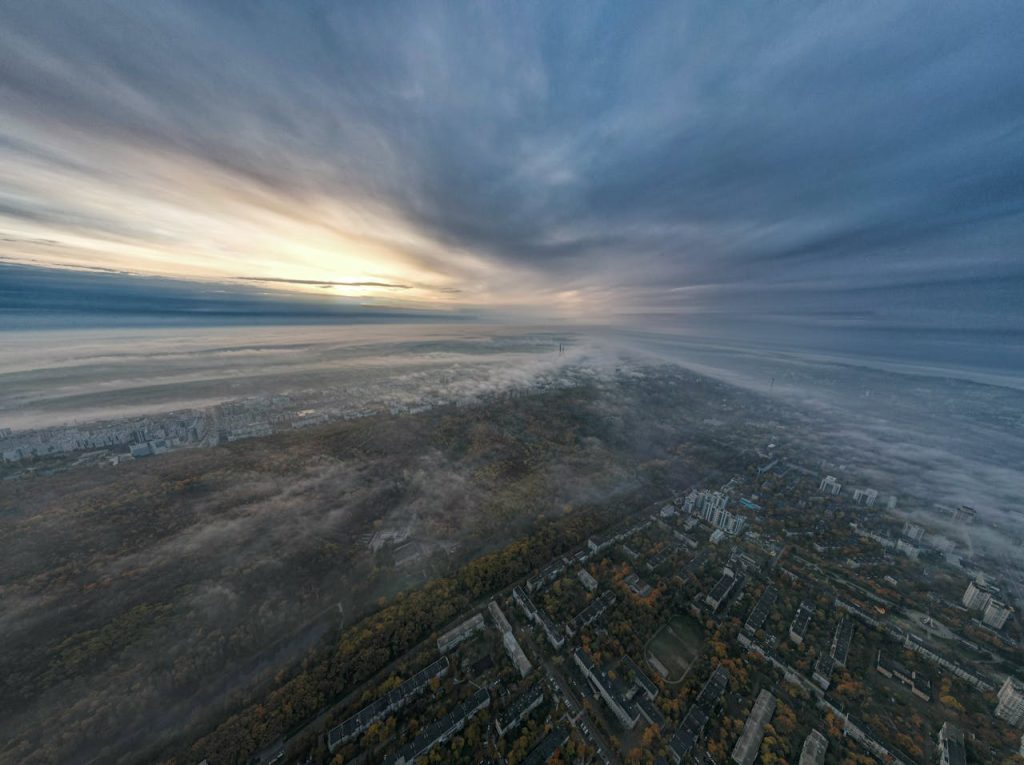
Political risk analysts and border control specialists identify this breakaway region as a living museum of Soviet administration. The territory maintains its own border force, currency, and security apparatus (the MGB), which operates independently of the central Moldovan government. Travelers entering from the west must navigate checkpoints guarded by Russian peacekeepers and local militia, where they are issued a migration card that strictly limits their stay, often to just ten hours or twenty-four hours without registration.
Legal experts warn that consular support is virtually non-existent within the territory due to its lack of international recognition. The security culture is highly suspicious of cameras, particularly near government buildings or “strategic” monuments like the Lenin statues. Visitors often report that the entry procedure feels like stepping back into the USSR, with bureaucratic hurdles designed to monitor and control the movement of foreigners through the separatist enclave.
Teufelsberg In Germany
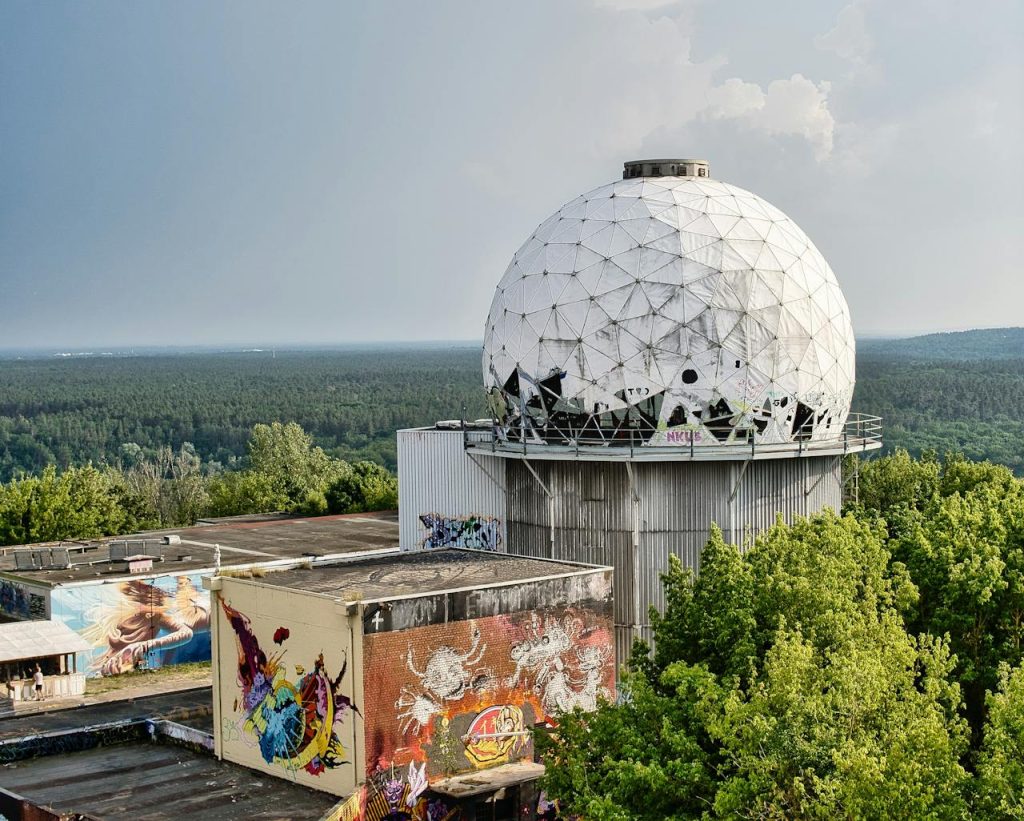
Urban historians and Berlin property developers have struggled to manage access to this former NSA listening station built on a hill of war rubble. During the Cold War, the radar domes atop the hill intercepted communications from East Berlin, necessitating absolute exclusion of the public. Today, while the site is a magnet for street artists, safety consultants note that the decaying structure and unresolved ownership disputes mean that legal entry is restricted to paid guided tours.
The perimeter fence is constantly patched by security teams trying to keep out vandals and squatters. Tour guides emphasize the precarious nature of the ruins, requiring visitors to sign waivers before ascending the main tower. The experience is defined by the transition from a highly classified intelligence gathering site to a controlled ruin where the ghost of espionage meets the reality of modern liability laws.
The Green Line In Cyprus
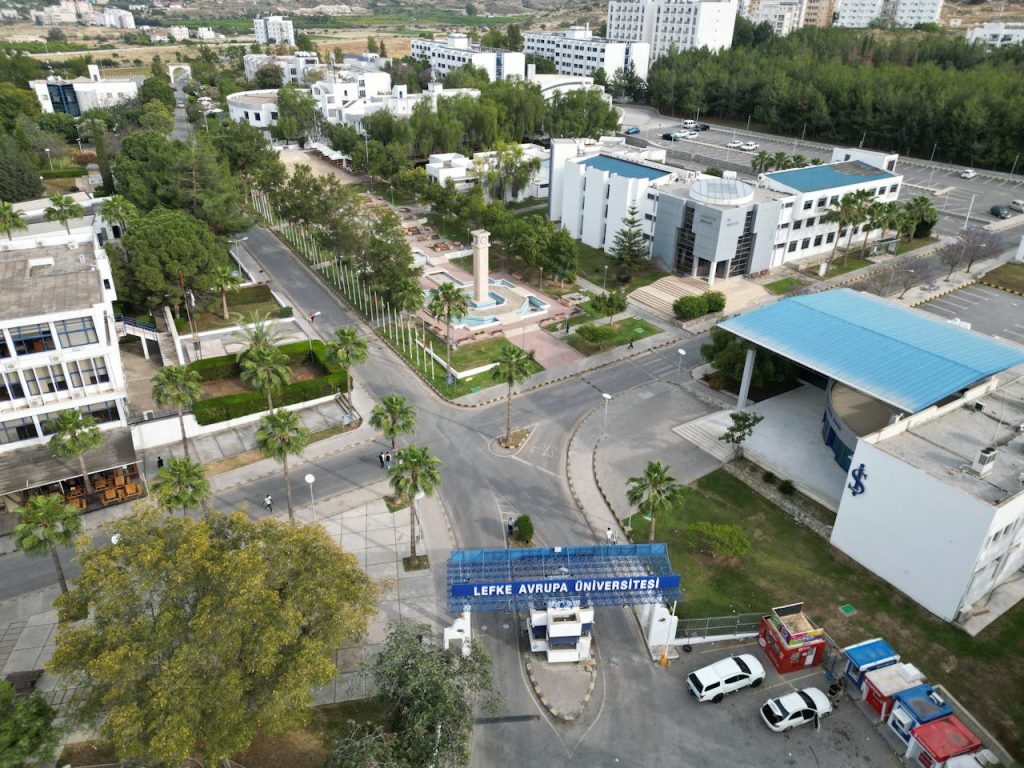
United Nations peacekeepers and Cypriot officials maintain the Buffer Zone that has divided the island since 1974. This strip of land, which runs through the heart of Nicosia, is frozen in time, with abandoned buildings and infrastructure inaccessible to the general public. Access to the buffer zone itself is restricted to UN personnel and select authorized individuals, while tourists must cross at designated checkpoints like Ledra Street.
Political geographers observe that the checkpoints require passport verification and customs screening, physically enforcing the political stalemate. Photography near the border walls and military outposts is strictly prohibited and can lead to the confiscation of devices. The architecture of the crossing points serves as a daily reminder of the unresolved conflict, channeling movement through narrow corridors that prioritize security over convenience.
Cheyenne Mountain Space Force Station In United States
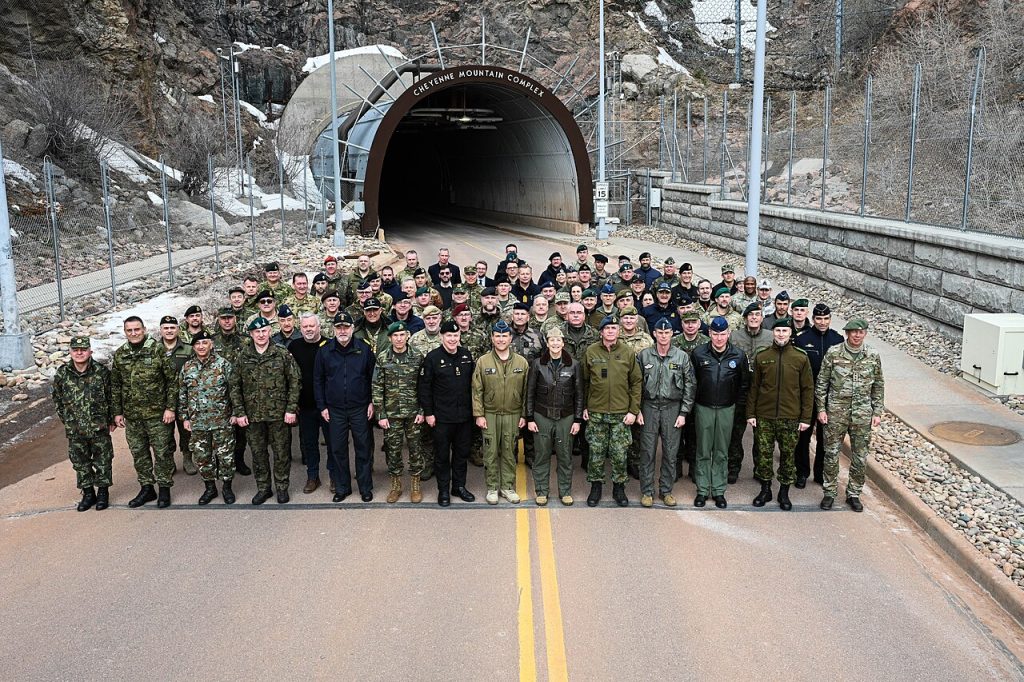
Military public affairs officers and defense analysts describe the Cheyenne Mountain complex as the ultimate symbol of Cold War bunker mentality. Built to withstand a direct nuclear hit, the facility served as the command center for NORAD and remains an active military installation. While the “blast door” tours were once more common, heightened security postures in the post-9/11 era have made public access extremely rare and subject to intense vetting.
When tours are authorized for educational or civic groups, they are conducted under armed escort with tight restrictions on what can be seen or discussed. The facility operates with a “two-person rule” and other security protocols that visitors must adhere to. The sheer difficulty of obtaining entry reflects the ongoing strategic value of the site, which has transitioned from watching for Soviet bombers to monitoring space debris and ballistic missile threats.
Tito’s Bunker In Bosnia and Herzegovina
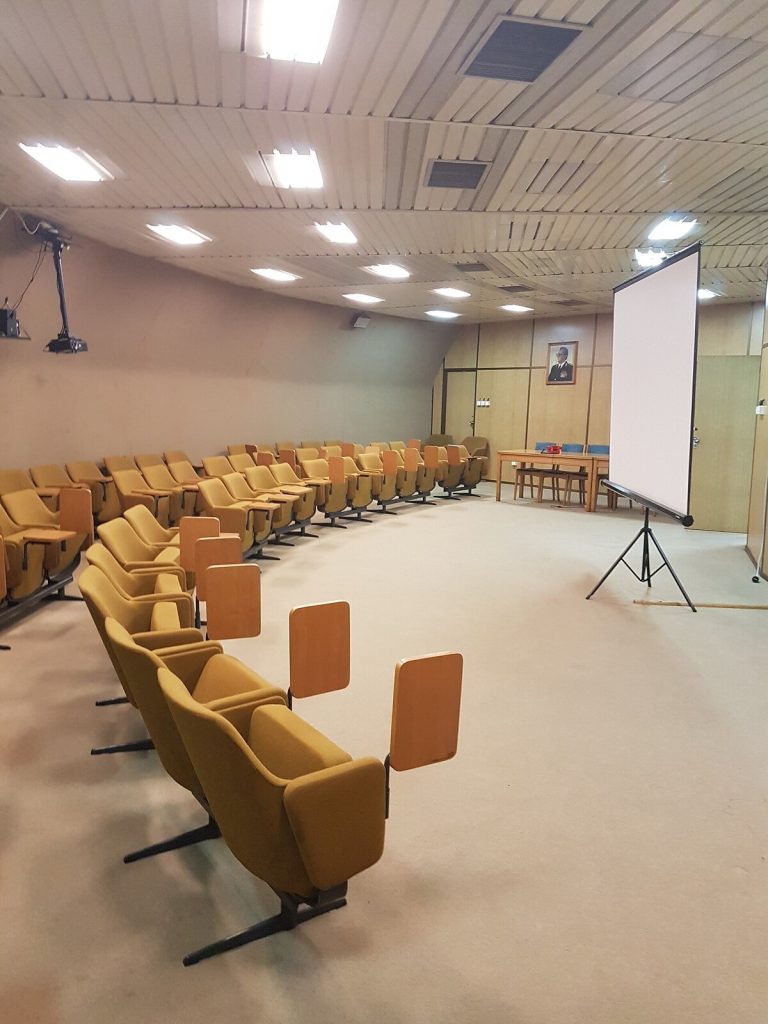
Heritage preservationists and military historians celebrate the opening of the ARK D-0 nuclear bunker near Konjic, which remained a state secret until the 1990s. Built to shelter Yugoslav President Josip Broz Tito and his inner circle, the facility was designed to be self-sufficient for six months. Today, access is permitted only through organized art tours, as the site still sits under the jurisdiction of the Ministry of Defense.
The bunker is located behind an unassuming house along the Neretva River, hiding a massive U-shaped complex carved into the mountain. Guides lead visitors through decontamination chambers and command rooms that have been preserved in their original state. The strict adherence to the guided path is necessary not only for preservation but because the site remains a piece of military infrastructure that has been repurposed rather than fully demilitarized.
Closed Cities In Russia
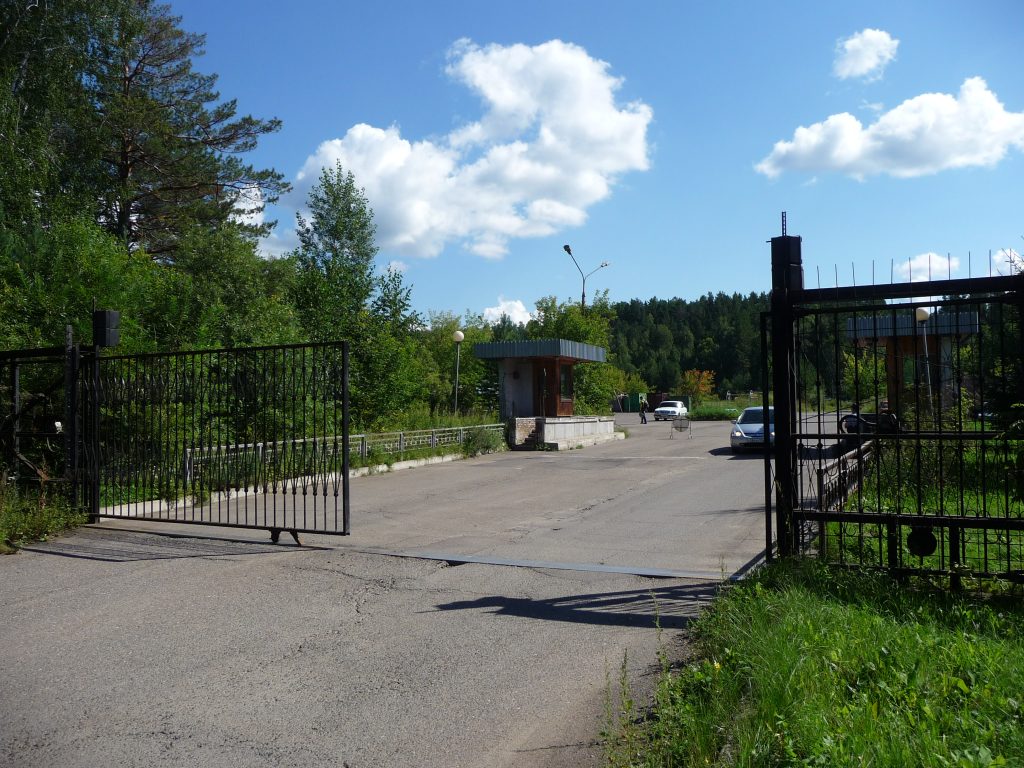
Russian security services (FSB) and nuclear energy officials continue to enforce the status of “Closed Administrative-Territorial Formations” (ZATOs) such as Sarov and Seversk. These cities, central to the Soviet nuclear weapons program, remain off-limits to foreigners and most Russians without special authorization. Intelligence analysts note that the perimeter fences and checkpoints that guarded these cities during the Cold War are still fully operational and manned by armed guards.
While some formerly closed cities have opened, the most sensitive locations retain their secret status to protect ongoing defense research. Travelers cannot simply drive into these areas; attempts to enter are met with detention and deportation. The existence of these cities serves as a stark reminder that for the Russian military-industrial complex, the need for hermetic secrecy has never diminished.
Minuteman Missile National Historic Site In United States
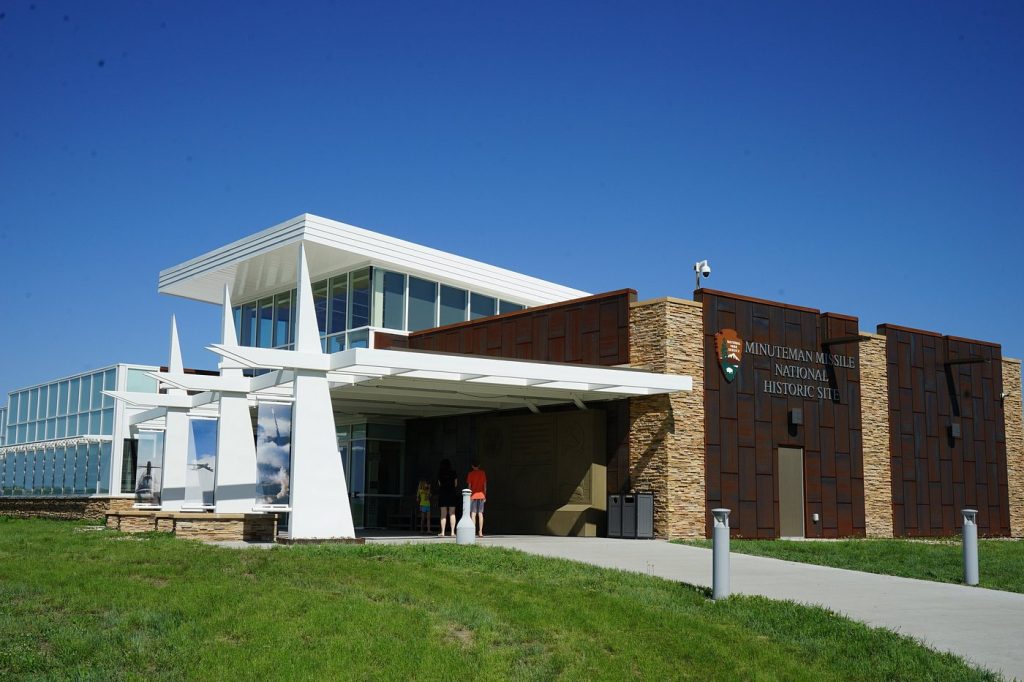
National Park Service rangers and Cold War interpreters manage visitor flow at the Delta-01 Launch Control Facility with rigid capacity controls. The underground bunker, which once held the keys to nuclear armageddon, can only accommodate a few people at a time due to the cramped elevator and life-support systems. Preservationists emphasize that the facility is kept exactly as it was when the crew left, meaning visitors must touch nothing and stay on designated mats.
Tickets for the underground tours often sell out immediately upon release, reflecting the high demand and the physical limitations of the site. The tour creates a claustrophobic sense of the responsibility held by the missileers, with the blast door remaining open only for the duration of the visit. The operational constraints of the Cold War architecture dictate the modern tourist experience, limiting access to those who plan well in advance.
Guantanamo Bay In Cuba
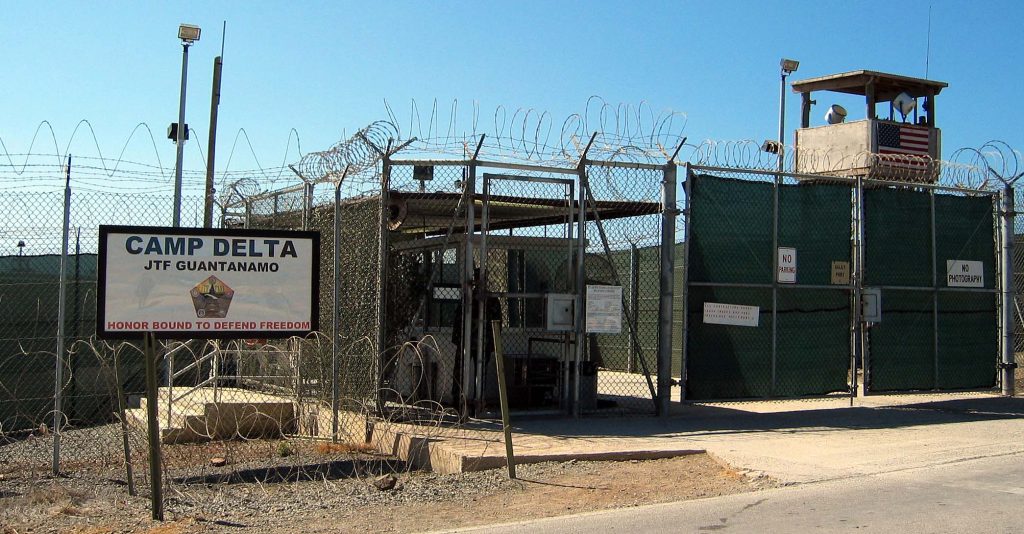
Naval commanders and diplomatic historians view the US Naval Station at Guantanamo Bay as a geopolitical anomaly where Cold War hostilities are physically demarcated. The base is separated from proper Cuba by a heavily fortified border known as the Cactus Curtain. Civilian access to the base is restricted to those with official business or specific sponsorship, making it one of the most difficult American-controlled territories for a tourist to visit.
On the Cuban side, the border region is a military exclusion zone where travel is monitored. The “mirador” at Malones offering views of the base has seen fluctuating access depending on the diplomatic climate. The existence of the base dictates a zone of silence and separation in the region, where movement is blocked by minefields and fences that represent the enduring standoff between Washington and Havana.