France boasts a diverse array of breathtaking sites that attract all kinds of travelers. Explore the most beautiful destinations in France, where historic architecture, romantic scenery, and renowned cuisine blend to form memorable journeys. Whether it’s the sparkling lights of Paris, the fragrant lavender fields of Provence, or the sunny beaches of the French Riviera, France provides an ideal mix of culture, history, and natural charm for everyone.

Most Beautiful Destinations in France
Whether you’re planning a luxury vacation, a honeymoon itinerary, or a scenic European road trip, France delivers iconic landmarks, charming villages, and breathtaking countryside views. Wander medieval streets, sip regional wines in the Loire Valley, or watch the tides rise around Mont-Saint-Michel — each region tells its own story and promises unique adventures worth adding to your bucket list.
This guide highlights 12 destinations across France where you can experience memorable sights and local charm. You’ll find options that include famous landmarks, coastal areas, countryside settings, and historic sites. The list covers well-known spots and some quieter locations that provide authentic French experiences.
1) Paris
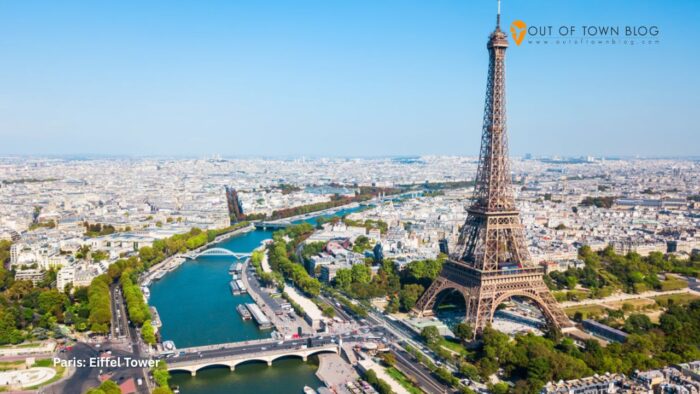
Paris stands as France’s capital and one of the world’s most visited cities. The Eiffel Tower dominates the skyline and offers views across the entire city from its observation decks.
You can explore world-class museums like the Louvre, home to thousands of artworks, including the Mona Lisa. Notre-Dame Cathedral showcases Gothic architecture, while Sainte-Chapelle features stunning stained-glass windows.
The Seine River runs through the city, crossed by beautiful bridges such as the Pont Alexandre III. You’ll find the Champs-Élysées stretching from Place de la Concorde to the Arc de Triomphe.
Montmartre sits on a hilltop in the north, offering views of Paris from the Sacré-Cœur Basilica. The neighborhood’s narrow streets and artist studios give you a taste of old Paris.
The Luxembourg Gardens provide green space where locals and visitors relax. You can visit historic landmarks, browse shops, or simply walk through different neighborhoods to experience the city’s unique character.

2) French Riviera
The French Riviera stretches along France’s southeastern Mediterranean coast. You’ll find dramatic coastlines, colorful seaside towns, and charming hilltop villages throughout this region.
Nice serves as the largest city and a great starting point for your visit. The city offers museums, markets, and a beautiful waterfront promenade. Cannes is known for its film festival and sandy beaches lined with restaurants.
Monaco brings a touch of glamour with its famous casino and harbor filled with yachts. For a quieter experience, you can explore smaller villages like Saint-Paul-de-Vence or Menton.
The region enjoys about 300 days of sunshine each year. This makes it an ideal destination whether you visit in spring, summer, or fall.
You’ll discover a mix of experiences along the Riviera. Some towns offer luxury and nightlife, while others provide peaceful coastal views and local markets. The area features both popular beaches and hidden coves along the shoreline.
Regional cuisine highlights fresh seafood and Provençal flavors. You can pair your meals with wines from nearby vineyards. The French Riviera combines natural beauty with cultural attractions, making it one of France’s most visited regions.

3) Provence
Provence offers visitors a remarkable blend of natural beauty and cultural attractions. You’ll find rolling lavender fields, ancient Roman ruins, and charming medieval villages throughout this southeastern region of France.
The area stretches from the Rhône Valley to the Mediterranean coast. You can explore historic towns with cobblestone streets and local markets. Many villages sit atop hills, giving you views of vineyards and olive groves below.
Provence has several notable attractions worth your time. The Pont du Gard is an ancient Roman aqueduct that still stands today. You’ll also find museums, châteaux, and art galleries scattered across the region.
The Mediterranean coastline adds another dimension to your visit. Fishing villages and beaches provide a contrast to the inland countryside. You can enjoy fresh seafood and regional wines while taking in coastal views.
Saint-Rémy-de-Provence and the Luberon area are popular destinations. These locations give you access to traditional Provençal architecture and local culture. The region’s relaxed atmosphere and warm climate make it appealing year-round, though summer brings the famous lavender blooms.

4) Château de Chambord
Château de Chambord stands as the largest château in the Loire Valley. King Francis I commissioned this Renaissance masterpiece in the 16th century as a hunting lodge.
The château features distinctive French Renaissance architecture. You’ll notice its grand scale and detailed exterior design immediately upon arrival. The building features a famous double-helix staircase that many believe was inspired by Leonardo da Vinci.
The château sits surrounded by a vast forested park and moat. You can explore the grand interiors, climb to the rooftop terraces for sweeping views, and walk through the extensive gardens. The grounds offer plenty of space to appreciate both the architecture and natural setting.
Château de Chambord is a UNESCO World Heritage Site. You can visit it on a day trip from nearby cities like Orleans or Tours. The site blends history, art, and nature in one location.
Plan to spend several hours exploring the château and its grounds. Bring your camera to capture the intricate details of the building’s exterior and the views from the terraces.

5) Mont Saint-Michel
Mont Saint-Michel rises dramatically from the waters of Normandy, creating one of France’s most striking landmarks. This rocky island sits in the heart of a vast bay, where you can spot its silhouette from miles away.
The site has drawn visitors for over a thousand years. In 708 AD, the archangel Michael reportedly appeared to Bishop Aubert of Avranches, leading to the construction of a church on the island’s peak. By the Middle Ages, it had become one of Europe’s major pilgrimage destinations.
Today, you’ll find a medieval abbey crowning the island’s summit. The narrow streets wind upward through historic buildings and shops. More than three million people visit each year, making it France’s most popular attraction outside Paris.
UNESCO recognized Mont Saint-Michel as a World Heritage Site in 1979. The designation honors both its unique appearance and its significance as a Catholic pilgrimage site.
When you visit, you can explore the abbey, walk the ramparts, and experience the bay’s famous tides. The surrounding area offers beautiful beaches and charming Norman towns worth exploring during your trip.

6) Annecy
Annecy sits in the French Alps, where turquoise waters meet mountain peaks. The town earned its nickname “Venice of the Alps” from the canals that wind through its old town.
The medieval center features colorful buildings and cobblestone streets. You can walk along the waterways and cross small bridges that connect different parts of the historic district. The Palais de l’Isle, a 12th-century castle built on a small island in the canal, stands as one of the town’s most photographed landmarks.
Lake Annecy offers clear waters perfect for swimming during the summer months. You can also rent boats, try paddleboarding, or cycle along the lakeside paths. The surrounding mountains provide hiking trails with views of both the lake and the Alps.
The town attracts visitors year-round, though June through August sees the most crowds. Local markets sell regional cheeses and Alpine specialties. You’ll find restaurants serving traditional Savoyard cuisine throughout the old town.
Whether you prefer outdoor activities or exploring historic streets, Annecy provides both options in one location.

7) Bordeaux
Bordeaux offers more than just world-class wine. This elegant southwestern city combines historic architecture with modern attractions along the Garonne River.
The Place de la Bourse stands as one of Bordeaux’s most recognized landmarks. This grand 18th-century square features beautiful symmetrical buildings that reflect in the Miroir d’Eau, a shallow reflecting pool that creates stunning photo opportunities.
You can explore the Grosse Cloche de Bordeaux, one of the oldest belfries in the region. The medieval bell tower rises above the city streets and costs nothing to admire from the outside.
The city’s revival over the past twenty years has transformed its waterfront and public spaces. You’ll find renovated squares, gardens, and pedestrian areas that make walking through Bordeaux enjoyable. The local markets showcase regional products beyond wine, including fresh produce and traditional foods.
Bordeaux appeals to different types of travelers. History enthusiasts can visit ancient monuments and preserved buildings. Food lovers can sample the local cuisine at restaurants and cafes throughout the city. Wine enthusiasts have access to tastings and tours in the surrounding wine region.
8) Lyon
Lyon sits at the meeting point of two major rivers, the Rhône and the Saône. This location helped the city grow into France’s second-largest urban center over its 2,000-year history.
The Old Town, known as Vieux Lyon, is part of a UNESCO World Heritage Site. You can walk through narrow Renaissance streets and discover covered passageways called traboules. These hidden paths once served the city’s silk workers.
The Basilique Notre-Dame de Fourvière stands on a hill overlooking the city. From this spot, you get clear views of Lyon’s red-tiled roofs and the rivers below. Near the basilica, you’ll find ancient Roman theaters that still host performances today.
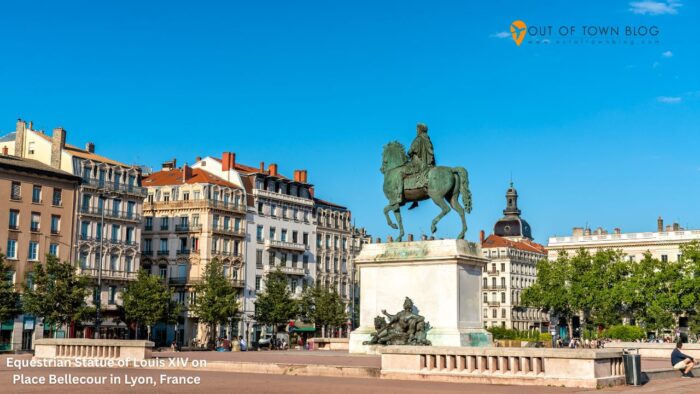
Place Bellecour offers a large open square in the heart of the city. The Presqu’île district features elegant 19th-century buildings and shops. For food lovers, Les Halles de Lyon Paul Bocuse presents a market filled with local cheeses, meats, and pastries.
Lyon blends its Roman ruins with Renaissance architecture and modern city life. The mix of historical periods and active cultural scenes makes it worth your time.

9) Saint-Tropez
Saint-Tropez, on the French Riviera, is one of the Mediterranean’s most iconic coastal towns. The old fishing village has transformed into a destination that draws visitors from around the world.
The historic port remains the heart of Saint-Tropez. You can watch luxury yachts dock alongside traditional fishing boats while cafes and restaurants line the waterfront. The pastel-colored buildings create a perfect backdrop for photos.
Pampelonne Beach stretches for nearly three miles along the coast. You’ll find both lively beach clubs and quieter spots where you can relax in the sun. The town also features secluded beaches, such as Plage de la Glaye, if you prefer fewer crowds.
The Citadelle de Saint-Tropez towers above the town and has protected it for over 400 years. You can visit the maritime history museum inside and walk the ramparts for views across the bay and the surrounding landscape.
Beyond the beaches, you can explore the narrow streets of the old town. Local markets offer fresh produce and regional products. The town hosts cultural events and festivals throughout the year that showcase the area’s traditions.
10) Nice
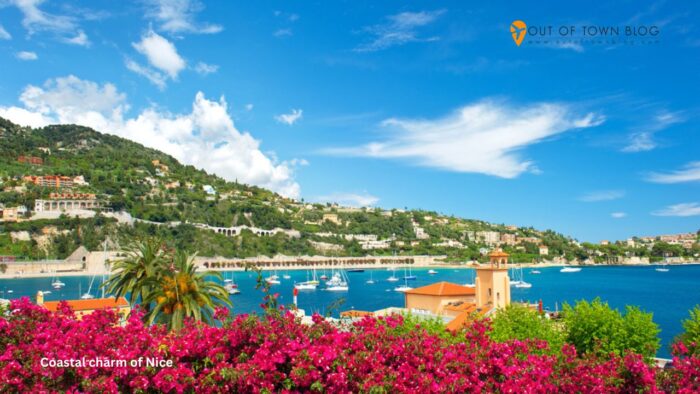
Nice sits along the French Riviera, where the Mediterranean Sea meets the foothills of the Alps. The city combines natural coastal beauty with a rich cultural heritage.
The Promenade des Anglais stretches over 7 kilometers along the waterfront. You can walk along this famous seaside path and take in views of the azure waters and pebble beaches.
The Old Town features narrow, winding streets filled with colorful buildings. You’ll find local markets selling flowers, produce, and regional specialties. The architecture reflects the city’s Italian influences and centuries of history.
Nice offers several museums and galleries if you’re interested in art. The city’s location provides easy access to other Riviera destinations while maintaining its own distinct character.
The climate remains mild throughout much of the year, making it a popular destination year-round. You can explore historic landmarks, sample local cuisine, or simply enjoy the coastal atmosphere.
The blend of sea views, historic neighborhoods, and cultural attractions makes Nice a beautiful destination worth visiting on your trip through France.

11) Giverny
Giverny is a small village in Normandy that became famous as the home of Claude Monet. The renowned Impressionist painter lived here for over 40 years, transforming this quiet town into an artistic landmark.
The main attraction is Monet’s house and gardens, which you can visit today. The Japanese-inspired water garden features the iconic lily pond that appears in many of his paintings. You’ll also see the colorful flower gardens that bloom from spring through fall.
The village itself offers charming streets lined with art galleries and local shops. You can explore cafes and restaurants that serve traditional French cuisine. The area attracts visitors who appreciate both natural beauty and art history.
Spring and early summer are the best times to visit when the gardens are in full bloom. The village gets busy during peak season, so arriving early in the day helps you avoid the largest crowds.
Beyond Monet’s estate, Giverny maintains its historic character with well-preserved buildings and peaceful countryside views. The village sits along the Seine River, providing scenic walks and photo opportunities throughout your visit.

12) Loire Valley
The Loire Valley stretches across central France, offering a remarkable blend of history, architecture, and natural beauty. You’ll find over 300 châteaux scattered throughout the region, including the famous Château de Chambord and Château de Chenonceau.
The valley earned UNESCO World Heritage status for good reason. Medieval towns like Amboise, Blois, and Tours give you a chance to walk through centuries of French history. The Loire River winds through the landscape, creating scenic views at every turn.
You can explore the region by bike along the Loire à Vélo route, which follows the river through villages and vineyards. The area produces excellent wines, and local vineyards welcome visitors for tastings.
Beyond the castles, you’ll discover charming villages tucked into the countryside. Each town has its own character, from riverside settings to medieval streets. The region’s restaurants serve traditional French cuisine using local ingredients.
Plan several days to fully experience the Loire Valley. The châteaux require time to tour, and the distances between sites add up quickly.
Travel Tips for Exploring Beautiful Destinations
Planning ahead makes your French adventure smoother and more enjoyable. Timing your visit right, choosing smart transportation, and traveling responsibly will help you experience France’s stunning locations at their best.
Best Times to Visit Scenic Regions
Spring (April to June) and fall (September to October) offer the best conditions for most French destinations. You’ll find smaller crowds, comfortable temperatures, and lower prices than in the peak summer season.
The French Riviera shines from May to September with warm beach weather. However, July and August bring heavy crowds and high prices. Visit in May, June, or September for a better experience.
Mountain regions like the Alps work differently. Winter (December to March) is perfect for skiing. Summer (June to September) opens hiking trails and mountain passes.
Paris and the cities of the Loire Valley are pleasant year-round. Avoid August when many French businesses close for vacation. The winter months (November to February) have the lowest hotel rates but also shorter daylight hours.
Recommended Transportation Options
France’s train system connects major cities quickly and efficiently. The TGV high-speed rail takes you from Paris to Lyon in two hours or from Paris to Nice in five hours. Book tickets early through SNCF for the best prices.
Renting a car makes sense for rural areas like Provence, Burgundy, and the Dordogne Valley. You can explore small villages and vineyards at your own pace. Most rental cars have manual transmissions, so request an automatic if needed.
Transportation by Region:
- Cities: Metro, buses, and walking
- Coastal areas: Regional trains and rental cars
- Wine country: Rental car or guided tours
- Mountains: Rental car (snow tires in winter)
Buy a France Rail Pass if you plan multiple train trips. Regional buses serve smaller towns but run less frequently than trains.
Guidance on Responsible Tourism
Stay on marked trails when hiking to protect plant life and prevent erosion. Many French natural sites have fragile ecosystems that take years to recover from damage.
Support local businesses by eating at family-owned restaurants and shopping at small shops. Skip international chains when possible. Buy regional products like wine, cheese, and crafts directly from producers.
Respect quiet hours in French towns and villages. Avoid loud conversations between 10 PM and 7 AM. Many communities have strict noise rules to maintain the quality of life.
Reduce waste by carrying a reusable water bottle. Public fountains in French towns provide free drinking water. Bring reusable shopping bags since plastic bags cost extra or aren’t available.
Learn basic French phrases before your trip. Even simple attempts at “bonjour” and “merci” show respect for local culture. Most French people appreciate the effort, even if you make mistakes.
Frequently Asked Questions
What are the top natural wonders to visit in France?
The Gorges du Verdon in southeastern France features deep turquoise waters and towering limestone cliffs, making it one of Europe’s most dramatic canyons. You can kayak through the gorge or hike along its rim for stunning views.
The white cliffs of Étretat in Normandy rise from the English Channel and create natural stone arches that have inspired artists for centuries. The Verdon River carved out spectacular scenery that rivals any natural wonder in Europe.
The Calanques near Marseille offer narrow inlets with crystal-clear water tucked between white limestone cliffs. Mont Blanc in the French Alps stands as Western Europe’s highest peak and draws hikers and climbers year-round.
Which historical landmarks in France are considered must-sees for travelers?
The Mont Saint-Michel sits on a tidal island and features a medieval abbey dating back to the 8th century. The structure appears to float during high tide and attracts millions of visitors each year.
Château de Chambord in the Loire Valley showcases Renaissance architecture with 440 rooms and a double-helix staircase. The Palace of Versailles served as the royal residence for Louis XIV and contains the famous Hall of Mirrors.
The Roman aqueduct Pont du Gard in southern France has stood for nearly 2,000 years. Notre-Dame Cathedral in Paris began construction in 1163 and remains one of the finest examples of French Gothic architecture.
What are the most picturesque villages in France for a romantic getaway?
Gordes sits atop a hill in Provence with stone buildings that glow golden in the sunset. The village overlooks the Luberon Valley and offers views of lavender fields and vineyards.
Eguisheim in Alsace features colorful half-timbered houses arranged in concentric circles around a central square. Colmar, nearby, looks like a fairy tale village with its canals and flower-covered bridges.
Rocamadour clings to a cliff face in southwestern France and contains seven sanctuaries built into the rock. Saint-Paul-de-Vence on the French Riviera has narrow cobblestone streets and has attracted artists for decades.
Which destinations in France offer the best culinary experiences?
Lyon earned its reputation as France’s gastronomic capital with traditional bouchons serving local specialties like quenelles and sausages. The city hosts renowned chefs and multiple Michelin-starred restaurants.
Burgundy produces world-class wines and dishes like coq au vin and beef bourguignon. You can visit vineyards and enjoy wine tastings paired with regional cuisine.
The French Riviera offers fresh seafood and Mediterranean flavors with dishes like bouillabaisse and salade niçoise. Paris provides access to every type of French cuisine from street crepes to three-star Michelin restaurants.
Can you recommend family-friendly attractions in France?
Disneyland Paris offers two theme parks located just outside the city with rides and shows for all ages. The parks feature Disney characters and attractions inspired by movies and fairy tales.
The Palace of Versailles features expansive gardens where children can run and explore while learning about French history. The Cité des Sciences et de l’Industrie in Paris contains interactive exhibits about science and technology.
The beaches along the French Riviera provide safe swimming and water sports for families. The Château de Chambord has plenty of space for kids to explore and often hosts special family events during the summer months.
What are the leading art and culture hubs in France for tourists?
Paris houses the Louvre Museum, which houses over 35,000 works of art, including the Mona Lisa and the Venus de Milo. The Musée d’Orsay displays Impressionist masterpieces in a converted railway station.
The city includes the Centre Pompidou for modern art and numerous galleries throughout neighborhoods such as Le Marais. Provence inspired artists like Van Gogh and Cézanne, and you can visit locations where they painted.
Arles contains Roman ruins and the places Van Gogh depicted in his paintings. The French Riviera attracted artists like Picasso and Matisse, and museums in Nice and Antibes showcase their work.
Exploring the Most Beautiful Destinations in France isn’t just about sightseeing — it’s about experiencing a lifestyle shaped by art, gastronomy, and centuries of heritage. Every castle, café terrace, and coastal panorama invites you to slow down and savor the moment, making France one of the most rewarding countries to explore in Europe.
As you plan your trip, consider traveling beyond the famous cities to discover hidden gems, seasonal festivals, and local traditions. With thoughtful planning and curiosity, your journey through France can become more than a vacation — it becomes a lasting memory filled with romance, flavor, and inspiration that calls you back again and again.
Follow and subscribe to OutofTownBlog.com on Facebook , Twitter, Instagram, Pinterest, and YouTube for more Travel-related updates.
Read: