My travel strategy for 2025 initially relied on the old playbook of spontaneity. I envisioned landing in a major capital or a coastal hub with nothing but a backpack and a credit card, assuming I could find a charming hotel and wander into famous sites whenever I woke up. That approach, however, has collided with a new reality of hard borders, digital registrations, and strict capacity management. The days of unstructured exploration are largely gone, replaced by a global shift toward preservation-first policies that prioritize the survival of the destination over the whims of the visitor.
This transition is driven by necessity rather than elitism. Urban planners and heritage experts emphasize that the world’s most popular locations can no longer sustain the “show up and see” model that defined tourism for decades. Infrastructure limits, resident pushback, and environmental fragility have forced authorities to implement rigid frameworks. While this removes the romance of impulsivity, it adds a layer of predictability and protection that the chaotic, unregulated vacation spots of the past often lacked.
Kyoto, Japan
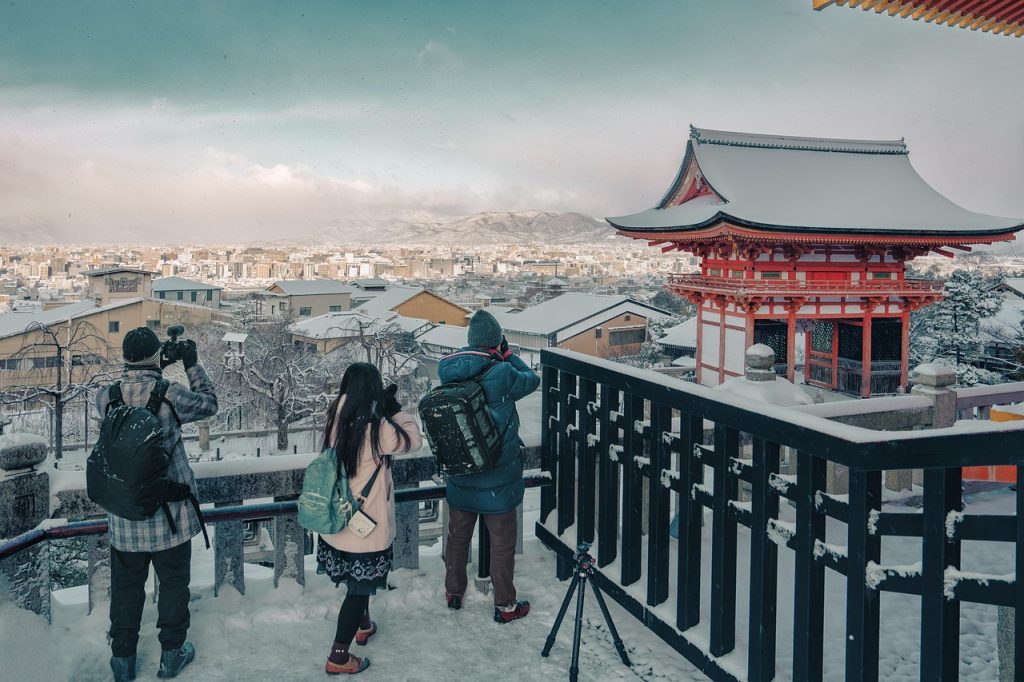
The historic streets of Kyoto represent a sharp departure from the open-access philosophy that travelers once expected in Japan. City officials have implemented strict bans on tourist entry into specific private alleys within the Gion district. This policy responds to years of “tourism pollution” where local residents and geisha were harassed by crowds seeking photos. Signage now clearly marks these prohibited zones, and local patrols enforce fines for those who cross the invisible line between public thoroughfare and private neighborhood.
Cultural heritage experts explain that the primary drivers are privacy preservation and resident retention. The overwhelming density of visitors in narrow residential areas threatened to push the local community out entirely. By restricting access, the city aims to maintain the living culture of the district rather than allowing it to become a hollow theme park. Travelers must now stick to main streets or engage professional guides for specific, authorized interactions.
This historic city centers on a mix of quiet temple gardens, impeccably maintained wooden architecture, and a rhythm of life that values silence.
The tradeoff involves a significant loss of freedom for the photographer or explorer. Visitors can no longer wander down every intriguing side street to see what lies around the corner. The experience is now physically channeled and legally constrained, requiring a disciplined approach to sightseeing that contrasts with the free-roaming exploration available in less regulated cities.
Venice, Italy
Venice has formalized the end of unrestricted day-trip tourism with its highly publicized Access Fee system. Visitors arriving for the day on peak dates must now pay a fee and register via a digital portal before entering the historic city center. Municipal authorities and urban preservationists enacted this measure to manage the crushing flow of transient visitors who strain the ancient infrastructure without contributing to the overnight economy.
Economic researchers and risk analysts note that the drivers are infrastructure survival and crowd management. The lagoon city faces unique logistical challenges where waste removal and building maintenance cost far more than on the mainland. The entry fee acts as a filter, discouraging casual, low-value tourism while generating data that helps the city predict and manage pedestrian traffic flows. It effectively turns the city into a managed site similar to a museum.
This floating metropolis is defined by its canal-based transit, pedestrian-only piazzas, and a slow-paced lifestyle dictated by the water.
A major tradeoff is the administrative friction added to a simple vacation. Spontaneous trips from nearby resort towns now require checking a calendar and processing a payment in advance. Failing to register can result in substantial fines, meaning the casual romantic getaway now requires the same level of bureaucratic preparation as a business trip.
Athens, Greece

The Acropolis now operates under a rigid time-slot system that dictates exactly when a visitor can enter the site. The Greek Ministry of Culture introduced this framework to eliminate the massive bottlenecks that previously occurred when cruise ship groups and independent travelers arrived simultaneously. Archaeologists and site managers emphasize that the physical vibration and weight of thousands of people on the Sacred Rock posed a long-term threat to the monuments.
Climate adaptation and safety are the key drivers identified by heritage institutions. As Mediterranean summers become hotter, standing in unmanaged queues became a health risk for tourists. The time-slot system spreads the visitor load throughout the day, preventing dangerous overcrowding during the peak heat hours. This structure ensures that the monuments are protected from the sheer force of foot traffic.
The city offers a vibrant mix of ancient history, modern rooftop dining, and a chaotic but energetic urban culture.
Travelers face a tradeoff of total inflexibility. Missing an assigned entry slot due to traffic or a delayed breakfast often means being denied entry entirely. The relaxed morning schedule of a traditional Mediterranean holiday is replaced by a strict appointment that anchors the entire day.
Yosemite National Park, USA
Yosemite has normalized the use of reservation systems during peak seasons to combat the gridlock that once paralyzed the valley floor. Park rangers and conservation scientists successfully argued that unrestricted vehicle access resulted in hours of traffic jams that degraded air quality and damaged the visitor experience. The current system requires visitors to secure an entry reservation months in advance or enter outside of peak hours.
Ecologists and park management cite environmental protection and public safety as the primary drivers. The valley acts as a natural funnel, and without limits, the concentration of vehicles overwhelms the road capacity and parking infrastructure. The reservation system acts as a hard cap on daily human impact, ensuring that the meadows and waterfalls remain accessible rather than obscured by a wall of idling cars.
The park is characterized by massive granite cliffs, accessible wilderness trails, and a culture of outdoor reverence.
The tradeoff reduces spontaneity for domestic road trippers. Families can no longer decide on a Friday to drive to the park for the weekend without risking being turned away at the gate. The planning horizon has shifted from days to months, requiring a commitment to specific dates that weather or life events might disrupt.
Amsterdam, Netherlands
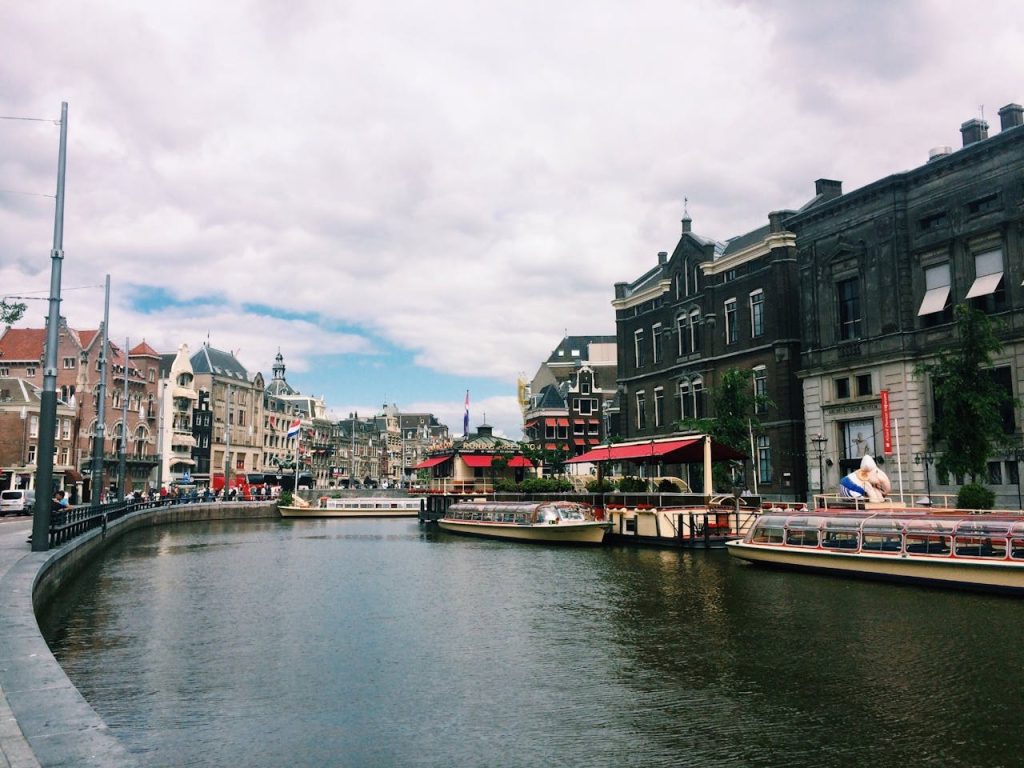
Amsterdam is actively restructuring its tourism economy through policies designed to limit visitor numbers and alter their behavior. The city has implemented moratoriums on new hotel construction and reduced the number of river cruise dockings to stem the tide of overnight visitors. Urban planners and sociologists describe this as a necessary intervention to reclaim the city center for residents and decommodify the housing market.
Housing pressure and quality of life are the dominant drivers. Economic researchers report that the unchecked growth of tourism drove up real estate prices and replaced local shops with tourist-trap stores. By capping accommodation supply and launching campaigns to discourage nuisance tourism, the city is forcing a shift toward a “quality over quantity” model that prioritizes respectful interaction.
The city is known for its intricate canal ring, cycling infrastructure, and dense concentration of art museums.
A significant tradeoff is the sharp increase in lodging costs. With supply artificially constrained, hotel prices have surged, making the city less accessible to budget-conscious travelers. The era of finding a cheap, last-minute hostel in the city center has effectively ended, pushing visitors to the periphery.
Galápagos Islands, Ecuador
The Galápagos Islands enforce one of the world’s most rigorous visitor management systems to protect their unique biodiversity. Access to the vast majority of the national park is only possible in the company of a licensed naturalist guide, and strictly on approved paths. Conservation biologists and park authorities dictate exact itineraries for cruise ships and day tours to ensure no single site is overwhelmed by human presence.
Biosecurity and ecological isolation are the critical drivers. Scientists explain that invasive species and human pathogens pose an existential threat to the endemic wildlife. The structured group model allows rangers to monitor visitor behavior constantly, ensuring that no one touches wildlife or introduces foreign organic matter. Every movement is tracked and regulated to maintain the evolutionary bubble of the archipelago.
This destination offers unrivaled wildlife proximity, volcanic landscapes, and a remote, scientific atmosphere.
The tradeoff eliminates the possibility of independent exploration. Visitors cannot simply rent a boat and land on a beach to swim with sea lions. Every activity is scheduled, guided, and time-limited, creating a vacation experience that feels more like a supervised educational expedition than a leisurely island escape.
Machu Picchu, Peru
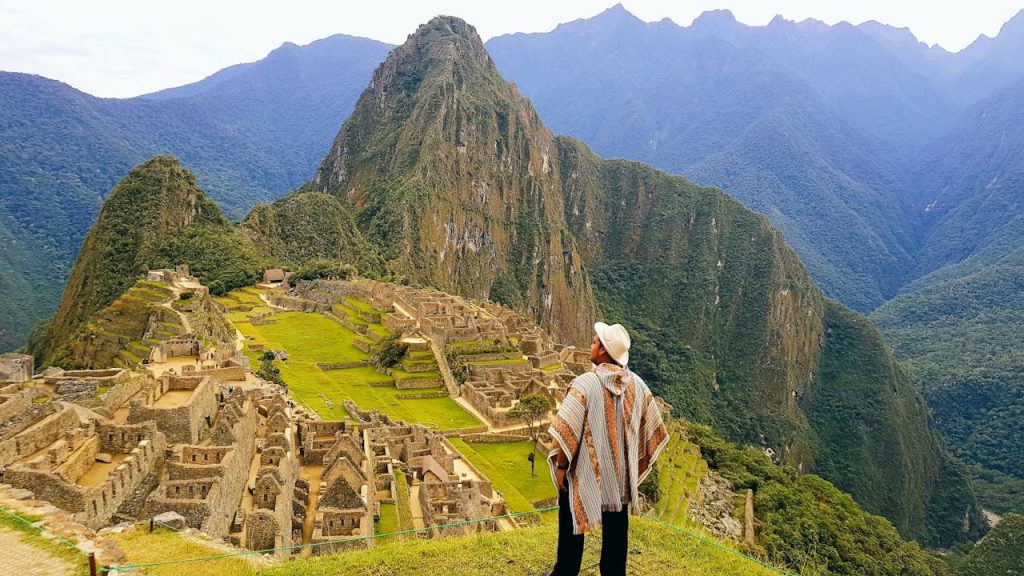
The Inca Citadel has moved to a complex system of designated circuits that restricts movement to specific one-way paths. The Ministry of Culture requires visitors to choose a specific circuit at the time of purchase, and backtracking is strictly prohibited. Geologists and heritage engineers warn that the unstable mountain terrain cannot support the free movement of millions of feet without risking landslides and structural collapse.
Structural integrity and erosion control are the urgent drivers. Heritage institutions note that the granite terraces were never designed for mass tourism. By forcing visitors onto distinct tracks, site managers spread the wear and tear across different sectors and prevent the accumulation of static crowds that accelerate surface degradation.
The site is defined by its dramatic Andean setting, cloud forest biodiversity, and the mystery of its stone architecture.
Travelers lose the ability to see the entire site in a single visit. A ticket buys access to only one section, meaning visitors must purchase multiple tickets and navigate complex booking rules to see different angles of the ruins. The meditative experience of sitting and watching the clouds has been replaced by a continuous, flow-based movement.
Bhutan
Bhutan operates on a “High Value, Low Volume” tourism policy that is perhaps the most structured in the world. Visitors must pay a substantial daily Sustainable Development Fee (SDF) for every day they spend in the country. Government economists and cultural preservationists utilize this fee to fund free healthcare and education for citizens while naturally limiting the number of tourists who can afford to enter.
Economic sustainability and cultural sovereignty are the drivers. Unlike destinations that rely on volume, Bhutan prioritizes the preservation of its Vajrayana Buddhist traditions and pristine Himalayan environment. The fee ensures that tourism remains an exclusive, manageable industry that does not overwhelm local resources or dilute the national identity.
The kingdom is known for its fortified dzongs, prayer-flagged mountain passes, and a society focused on Gross National Happiness.
The tradeoff is the immense financial barrier. The daily fee is mandatory and non-negotiable, making a two-week trip prohibitively expensive for most travelers. This creates a filtered environment where only those with significant disposable income can access the country, fundamentally altering the demographic of fellow travelers.
Antarctica

Tourism in Antarctica is governed by the strict guidelines of the International Association of Antarctica Tour Operators (IAATO) and the Antarctic Treaty System. Visitors must undergo mandatory biosecurity screenings, including scrubbing boots and vacuuming pockets, before stepping onto the ice. Polar scientists and environmental advocates enforce rigorous rules regarding distance from wildlife and the prohibition of taking anything from the continent.
Biological protection and scientific integrity are the drivers. Researchers emphasize that the Antarctic ecosystem is incredibly slow to recover from damage and highly susceptible to invasive seeds or microbes. The rules ensure that tourism does not compromise the scientific value of the continent or introduce diseases to penguin colonies. Landings are strictly timed, and only a limited number of people are allowed on shore at once.
The continent offers a landscape of icebergs, vast glaciers, and silence found nowhere else on Earth.
The tradeoff is a total lack of autonomy. Travelers are entirely dependent on the expedition crew for schedule, movement, and access. Weather conditions often cancel planned landings at the last minute, and strict rules prevent any deviation from the group, making it a highly passive form of adventure.
Barcelona, Spain
Barcelona has introduced regulations specifically targeting the behavior and size of tour groups in its historic centers. The city has capped group sizes and banned the use of megaphones in favor of audio guide systems to reduce noise pollution. Neighborhood associations and municipal leaders pushed for these changes to lower the decibel levels that were driving residents out of the Gothic Quarter.
Social sustainability and noise abatement are the drivers. Conflict researchers in urban studies highlight that the friction between residents and tour groups had reached a breaking point. The regulations attempt to balance the economic benefits of tourism with the basic human right of residents to quiet enjoyment of their homes. Police can issue fines to guides who block streets or exceed noise limits.
The city is famous for its Modernista architecture, urban beaches, and a distinct Catalan identity.
The tradeoff makes history more expensive and formal. The era of the massive, free walking tour is fading, replaced by smaller, paid groups that require advance booking. Travelers on a budget may find it harder to access expert local knowledge without paying a premium for the more intimate, regulated experience.
Maya Bay, Thailand

Thailand’s Department of National Parks now enforces seasonal closures and strict boat bans to protect the marine ecosystem of Maya Bay. After years of closure for rehabilitation, the bay reopened with rules that prohibit boats from entering the bay itself, requiring visitors to walk from a pier on the opposite side of the island. Marine biologists and park rangers monitor shark populations and coral regrowth to determine access windows.
Ecological restoration and marine conservation are the drivers. Scientific studies showed that boat anchors and sunscreen had decimated the coral reefs. The new structure treats the bay as a recovering patient rather than a recreational beach. Swimming is often restricted or banned entirely to prevent further damage to the underwater environment.
The location is defined by towering limestone karsts, turquoise waters, and lush tropical vegetation.
The tradeoff changes the nature of the visit from recreational to observational. Visitors can no longer swim freely in the iconic bay or park a boat on the sand for a picnic. The experience is a brief, walk-through viewing that prioritizes the health of the reef over the enjoyment of the swimmer.
Mount Everest Base Camp, Nepal
The trek to Everest Base Camp is undergoing a regulatory overhaul to address waste management and safety. New rules require trekkers to carry GPS tracking chips for safety and monitoring. Furthermore, local authorities have introduced strict policies regarding human waste, requiring climbers and trekkers to purchase poo bags and bring their waste back down from the mountain. Alpinists and environmental agencies support these measures to clean up what had become known as the “world’s highest garbage dump.”
Sanitation and disaster management are the drivers. Environmental researchers warn that the accumulation of waste on the glacier posed health risks to downstream communities. The tracking chips allow authorities to monitor movement and respond more quickly to emergencies, while the waste rules force visitors to take responsibility for their environmental footprint.
The region offers high-altitude trekking, Sherpa culture, and views of the world’s highest peaks.
The tradeoff removes the illusion of wild, unregulated adventure. The trek is now a monitored activity with strict compliance requirements regarding personal hygiene and trash. Travelers must accept a higher level of scrutiny and responsibility, stripping away the carefree nature of a mountain holiday.
Source
https://kyoto.travel/en/info/safety/manners.html
https://cda.veneziaunica.it/en/access-fee
https://hds.hearth.library.cornell.edu/news/acropolis-implements-visitor-caps-and-time-slots-combat-overtourism
https://www.nps.gov/yose/planyourvisit/reservations.htm
https://www.galapagosislands.com/travel/park-rules.html
https://tourism.gov.bt/