Sports trips in the U.S. are no longer a niche built around die-hard superfans. They have become a mainstream travel category with measurable economic weight, and that shift is changing how women plan weekend breaks, girlfriend getaways, and multigenerational trips. Sports ETA’s latest spectator-focused data shows major scale, including millions of non-local attendees and high overnight stays tied directly to live events.
What stands out is not just volume, but behavior. Expedia’s 2025 sports-travel research points to women participating more actively in event-led travel, with many saying sports now influence destination choice, spend, and trip frequency. This moves women’s sports travel from occasional splurge to recurring habit.
At the same time, women’s leagues in basketball, soccer, volleyball, softball, and college hoops are expanding audience reach and venue strategy. Bigger crowds create better flight options, stronger hotel inventory planning, and more city investment around safety, transport, and district activity near stadiums.
The result is practical and cultural at once. Travel around sports is becoming more intentional, more social, and more women-led than it was even two years ago. Across U.S. cities, major events are not just filling seats. They are shaping where women go, how they book, and what they expect once they arrive.
Sports Trips Have Become a Core Travel Category

Sports travel now sits in the center of U.S. domestic movement, not at the edge. Sports ETA’s 2024 spectator report highlights 109.7 million non-local attendees traveling 50 miles or more, with 63.5 million of those travelers staying overnight. That overnight volume matters because it turns day events into full destination weekends.
When trips include a hotel stay, women travelers tend to layer in neighborhood dining, walkable nightlife, museums, and recovery time the next morning. Event travel becomes part itinerary anchor, part city exploration. That changes what “sports tourism” means in real life.
It also changes when people book. Instead of waiting for late ticket drops, more travelers are booking farther ahead to lock in better rates and better locations near transit corridors. Advance planning has become part of the game-day experience.
Cities have noticed. Host markets now treat major women’s sporting events less like single-night entertainment and more like tourism infrastructure moments that influence occupancy, local spend, and repeat visitation.
Women Are Turning Sports Weekends Into Social Travel Rituals
Expedia’s findings suggest women are not just tagging along on sports trips. They are actively driving them, with notable domestic and international participation tied to live events. That behavioral signal is one reason women’s sports travel is being treated as a sustained trend rather than a short spike.
The social format is a big reason it keeps growing. These trips are often friend-led, group-booked, and planned around shared experiences beyond the match itself. People build in one “anchor event,” then fill the rest of the weekend with food, culture, and downtime.
Shorter planning cycles are also giving way to coordinated calendars. Group travelers now line up school breaks, long weekends, and playoff windows earlier, especially when seat demand is predictable.
This rhythm makes travel feel less reactive and more intentional. Women are increasingly treating sports weekends as recurring annual traditions, much like reunion trips or festival weekends, but with a stronger built-in schedule and clearer reason to return.
WNBA Demand Is Redrawing Urban Weekend Travel
The WNBA’s attendance story has become a travel story. Reuters reported that 2024 regular-season attendance rose 48%, with an average of 9,807 fans and total attendance of 2,353,735, the league’s highest in 22 years. That level of demand strengthens city-to-city fan movement on game weekends.
Momentum carried forward. Reuters also reported the league surpassed 2.5 million total attendance in the 2025 season, setting a new single-season benchmark even before all games were complete. Record volume like this changes hotel and airline pricing patterns around top matchups.
For women travelers, WNBA weekends increasingly function like urban culture trips. A game in New York, Las Vegas, or Indianapolis is often paired with neighborhood dining, shopping districts, and late-evening safe-return planning.
It also encourages faster comparison shopping across cities. Fans increasingly choose destinations by arena access, transit simplicity, and neighborhood feel, not only by opponent strength or ticket availability.
Expansion Markets Are Becoming Future Booking Targets

League expansion adds a forward-looking travel layer. Reuters reported WNBA expansion awards to Cleveland, Detroit, and Philadelphia, with planned starts in 2028, 2029, and 2030. New franchises create fresh away-game circuits and new city shortlists years in advance.
This matters because travel behavior starts before opening tip. Fans scout districts, venue access, and hotel zones long before a first season begins. Early city familiarity reduces friction and increases the chance of first-year sellout travel.
Expansion also broadens regional options for women who prefer shorter flights or train-friendly trips. A denser map lowers cost barriers and makes one-night or two-night trips more realistic for working professionals and young families.
Over time, this creates a second-order effect: more cities competing to offer cleaner mobility, better nightlife logistics, and better fan safety cues to win repeat sports travelers.
NWSL Is Turning Matchdays Into Repeat Destination Loops
NWSL growth has been steep enough to reshape travel habits. Reuters reported a new attendance record in 2024, including an average crowd of 11,250, more than two million total attendees, and 14 million regular-season TV viewers. That blend of in-stadium and media reach helps convert casual viewers into travelers.
The championship model reinforces destination planning. The league announced PayPal Park in San Jose as host for the 2025 title match, giving fans a clear date and place to plan around months in advance.
Predetermined championship sites reduce uncertainty. Travelers can book earlier, coordinate group arrivals, and build multi-day Bay Area itineraries instead of scrambling after semifinal outcomes.
For women’s soccer fans, that predictability has turned one-off trips into annual loops. People revisit cities with known fan culture, then rotate in one or two new destinations each season.
Championship Site Announcements Now Drive Early Planning
Site announcements have become a travel trigger in their own right. Once a host city is named, fans can map airfare windows, hotel districts, and local transport weeks or months earlier than before. That longer runway tends to lower stress and improve deal quality.
The best example is the NWSL title setup and similar fixed-site formats in other leagues. Early certainty gives groups time to coordinate budgets and room-sharing decisions without rushing at peak prices.
It also changes how travelers evaluate risk. With more lead time, travelers can choose refundable rates, build backup transit options, and avoid high-friction arrival windows close to kickoff.
In practical terms, early site certainty shifts sports travel from reactive purchasing to strategic purchasing, which helps women travelers prioritize comfort, safety, and neighborhood quality alongside ticket cost.
Women’s Final Four Growth Is Changing Venue Strategy
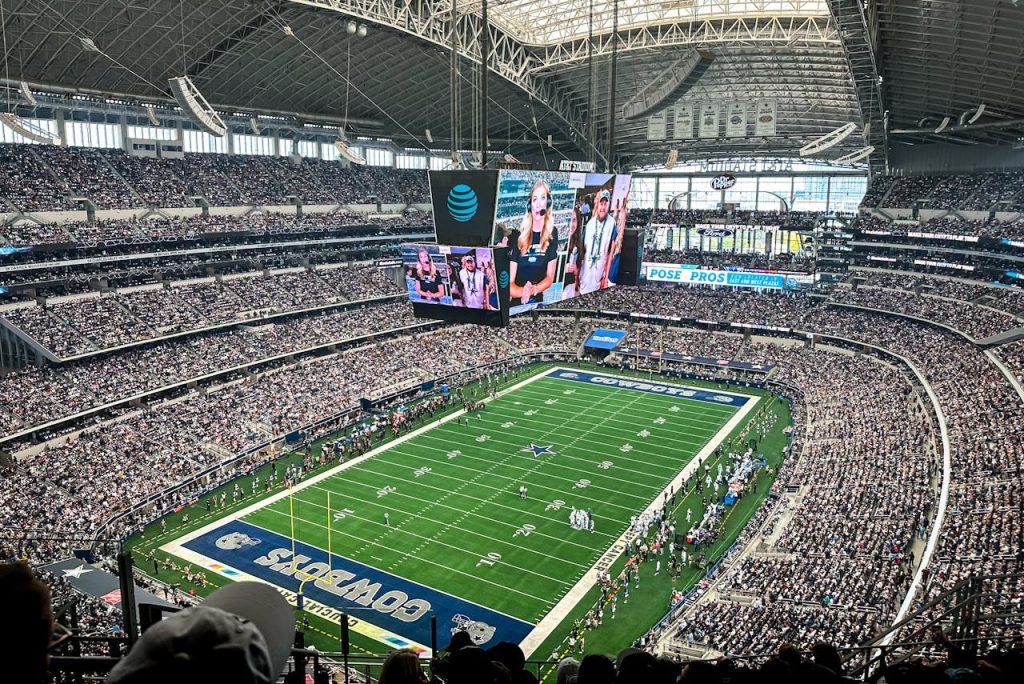
The NCAA has acknowledged demand pressure directly. In 2025, the Division I Women’s Basketball Committee voted to move the 2028 Women’s Final Four in Indianapolis from Gainbridge Fieldhouse to Lucas Oil Stadium, adding roughly 13,000 seats.
That is not just a capacity story. It reflects confidence that fan demand can support larger venues and more complex city operations around a women’s event weekend.
Future host clarity adds to that momentum. NCAA listings show Phoenix in 2026 and Columbus in 2027, which lets fans plan multi-year travel traditions around the tournament arc.
Even with year-to-year fluctuations in attendance, the broader trend line remains strong enough to justify larger footprints and longer-range tourism planning around women’s college basketball.
Volleyball Crowds Proved Women’s Events Can Fill Massive Venues
Women’s college volleyball already delivered one of the clearest crowd signals in U.S. sports. NCAA records highlight Nebraska-Omaha’s 92,003 attendance figure in 2023, a landmark number that changed how venues and planners view women’s event demand.
That scale created a new baseline for what is possible. Once a women’s event proves stadium-sized demand, organizers become more willing to test larger footprints, premium zones, and broader destination marketing.
Future championship siting keeps the momentum visible. NCAA future-site information for Division I women’s volleyball lists major-city venues such as San Antonio (2026) and Columbus (2027), reinforcing multi-city travel planning for fans.
For women travelers, volleyball weekends now carry the same destination logic seen in bigger legacy events: arrive early, stay near transit, and build a full city weekend around the match.
Tennis Majors Are Extending Stay Length and City Spend
The U.S. Open continues to pull destination-scale crowds in New York. Reuters reported that 2024 attendance topped one million at the tournament, showing how a multi-day event can sustain steady travel inflow rather than a single-night surge.
A longer event window usually means a wider range of trip styles. Some travelers come for one marquee session. Others build three- to five-day itineraries around day sessions, evening matches, and city neighborhoods.
Infrastructure investment reinforces that pattern. Reuters also reported the USTA’s $800 million transformation plan for the Billie Jean King National Tennis Center, signaling long-term confidence in sustained fan demand and experience upgrades.
For women travelers, tennis trips often feel more flexible than single-day events. The calendar offers multiple entry points, which makes scheduling easier for different budgets and work constraints.
College Softball Has Become a Serious Travel Magnet
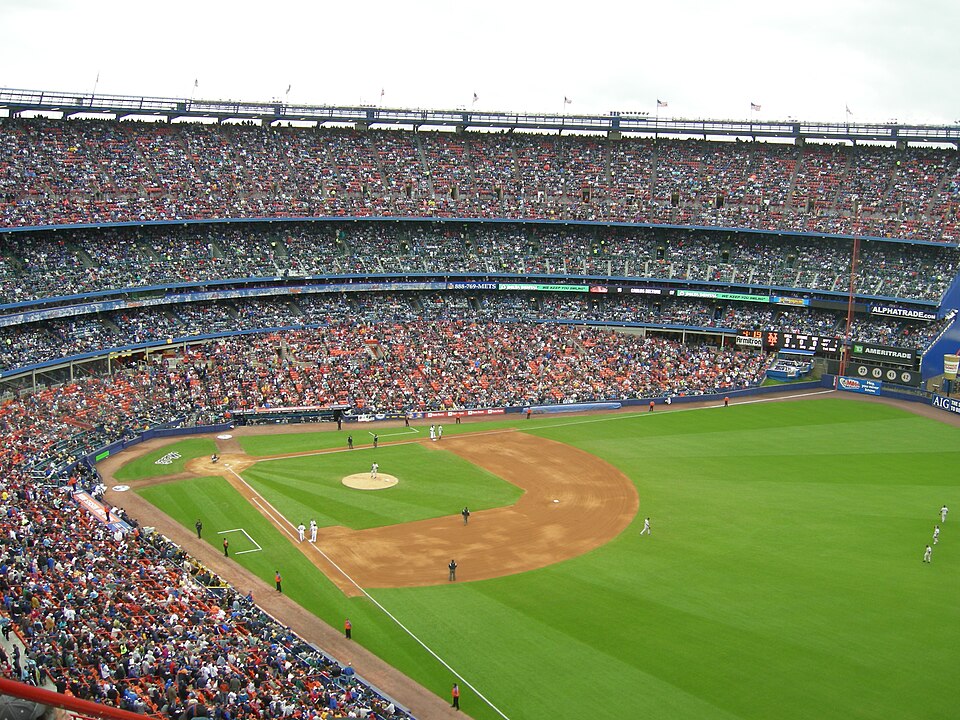
The Women’s College World Series has entered a new visibility tier. ESPN reported record viewership and a record attendance total of 119,778 for the 2025 event, showing how quickly softball now converts national attention into travel volume.
Because the WCWS is held in Oklahoma City, fans can plan repeat trips with high confidence on logistics. Familiar routes, familiar stadium zones, and predictable scheduling make returning easier year after year.
NCAA’s championship information keeps that planning cycle intact, with future WCWS timing and venue continuity helping families and friend groups lock in annual routines well ahead of time.
That consistency is especially useful for women-led group travel. It lowers uncertainty, supports early budgeting, and turns one successful trip into a recurring tradition.
Weather Disruptions Are Forcing Smarter Event Travel Plans
Climate and weather disruptions are now part of sports travel math. AP reported the NCAA beach volleyball championship moved from Huntington Beach to Gulf Shores for 2025 because of wildfire-related impacts in Southern California.
For travelers, that kind of shift is a reminder that fixed plans need flexible backup structures. Refundable lodging, change-friendly flights, and alternate arrival options are no longer optional extras.
Women travelers, especially in groups, are increasingly building these contingencies in from the start. Good planning now includes not just where to stay, but how to pivot if dates or sites move.
The practical takeaway is simple: resilient travel planning has become part of the fan skill set, especially for major events scheduled during weather-sensitive periods.
Host Cities Are Being Judged on the Full Experience, Not Just the Game
As women-led sports travel grows, host cities are competing on the details that shape comfort and confidence. District walkability, late-night transit reliability, venue-to-hotel distance, and neighborhood energy are becoming decisive factors.
Demand trends in leagues like the WNBA and NWSL make this clear. Rising attendance and repeat travel cycles reward cities that reduce friction and make movement easy before and after matches.
This has changed destination reputation dynamics. One strong event weekend can create word-of-mouth momentum that lasts multiple seasons, while poor logistics can push travelers toward competing cities.
In other words, the game may sell the first ticket. But city experience quality determines whether women travelers return, bring friends, and turn one trip into a yearly ritual.