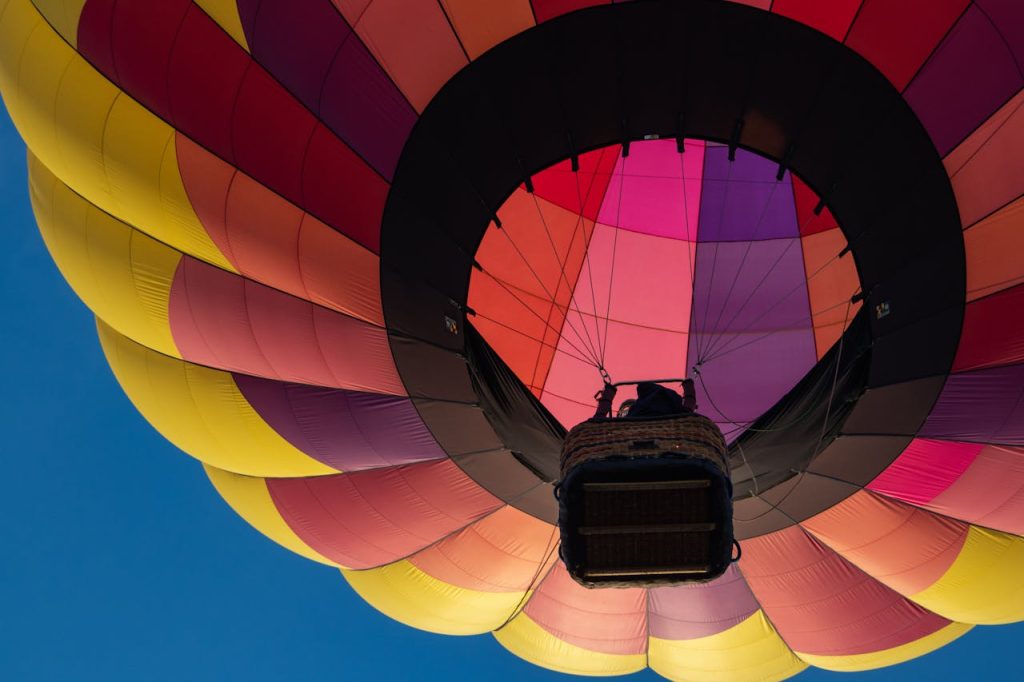
Aviation safety officials and seasoned balloon pilots categorize mass ascension events as some of the most technically demanding environments in lighter-than-air flight. These spectacles involve hundreds of aircraft launching from a consolidated field within a short window, creating high-density traffic where vertical and horizontal separation becomes a matter of inches. Meteorologists working with event organizers monitor microclimates intensely, as even a slight shift in wind speed or direction can cause balloons to merge or collide during the critical inflation and launch phases.
Flight directors and safety officers emphasize that the term basket tangle refers to the contact between the envelope of one balloon and the basket of another, a scenario that requires immediate and calm corrective action. While these festivals offer breathtaking visuals for spectators, the reality for the pilot in command involves hyper-vigilance and complex decision-making. Navigating the wake turbulence of other balloons while managing fuel consumption and variable wind currents turns these celebrations into a rigorous test of aeronautical skill.
Albuquerque International Balloon Fiesta In New Mexico
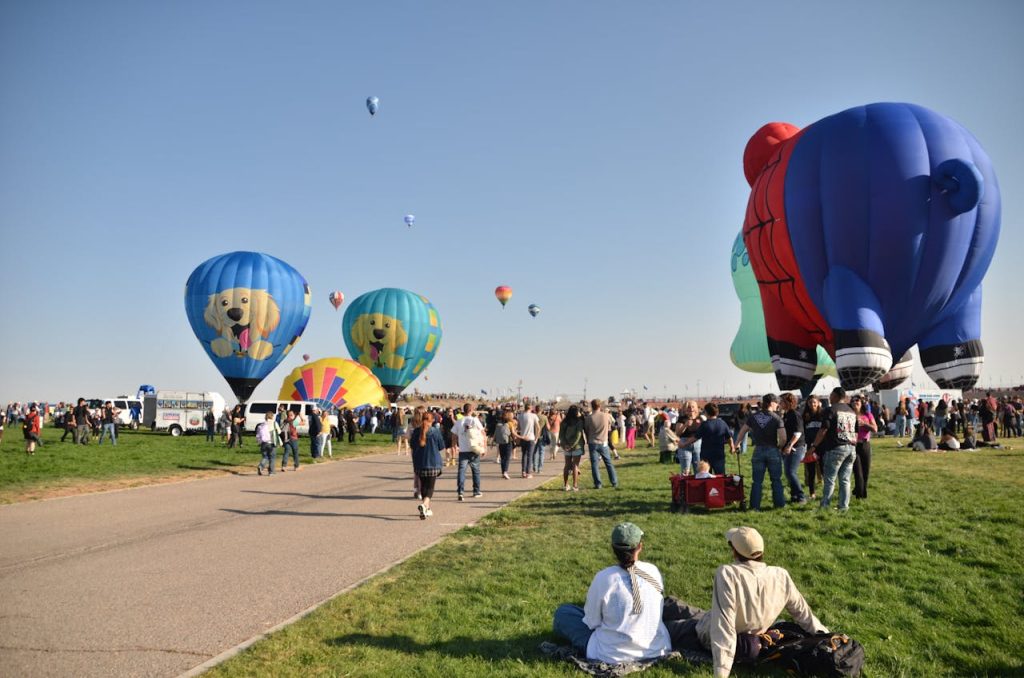
Aviation authorities and veteran pilots recognize this massive event as the ultimate test of proximity flying due to the sheer volume of aircraft involved. With over five hundred balloons launching in waves, the airspace becomes a three-dimensional gridlock where vertical velocity must be controlled with absolute precision. The famous Albuquerque Box wind pattern allows pilots to backtrack over the field, but this opposing flow of traffic at different altitudes significantly increases the risk of mid-air contact between envelopes and baskets.
Launch directors coordinate a complex dance of inflations, yet the density of the pack often leaves pilots with limited escape routes once they leave the ground. Safety officials note that the primary challenge here is maintaining visual contact with dozens of other aircraft simultaneously while managing the burner to avoid climbing into the balloon above. The legendary status of the event draws pilots from around the world who accept the crowded conditions as the price of admission to the most photographed aerial event on earth.
Bristol International Balloon Fiesta In The United Kingdom
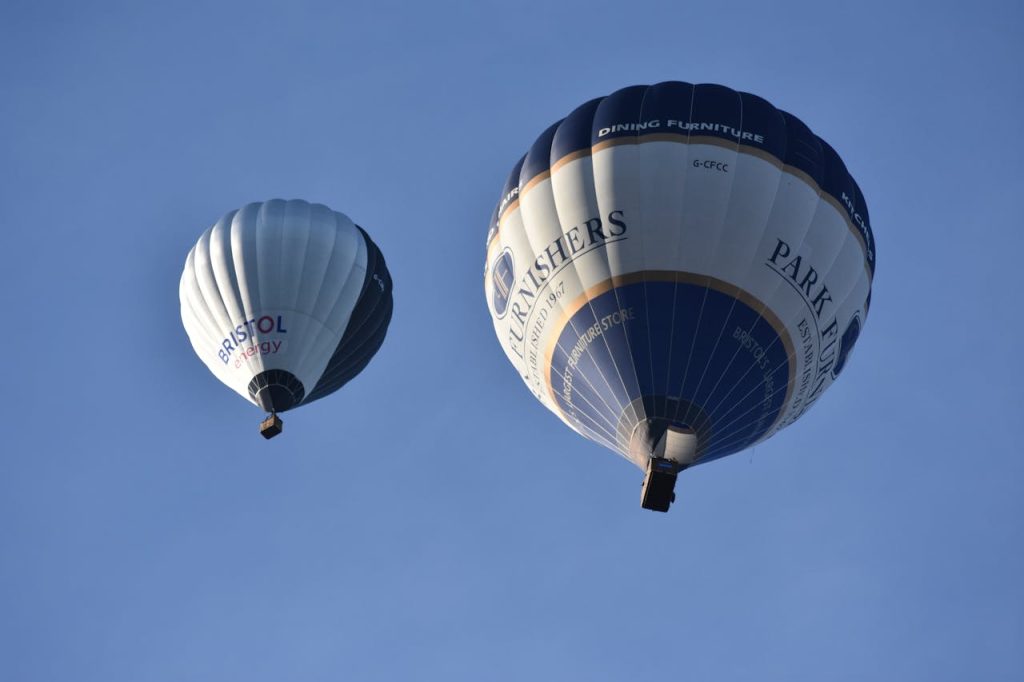
Meteorologists and flight planners in the UK cite the Bristol event as particularly challenging due to the unpredictable nature of British maritime weather. The launch site at Ashton Court Estate sits in a natural bowl that can create swirling winds and mechanical turbulence near the surface. Pilots frequently have to abort launches or manage rapid descents to avoid dragging through the trees or spectators that line the tight perimeter of the arena.
The proximity of the city and the Bristol Channel adds layers of complexity to the flight path planning. Aviation experts explain that the urban heat island effect can generate unexpected thermals that alter the trajectory of the balloons shortly after takeoff. Managing the drift toward the harbor or the dense residential areas requires pilots to make aggressive maneuvers in a crowded sky, often bringing baskets uncomfortably close as everyone fights for the same favorable wind line.
Grand Est Mondial Air Ballons In France
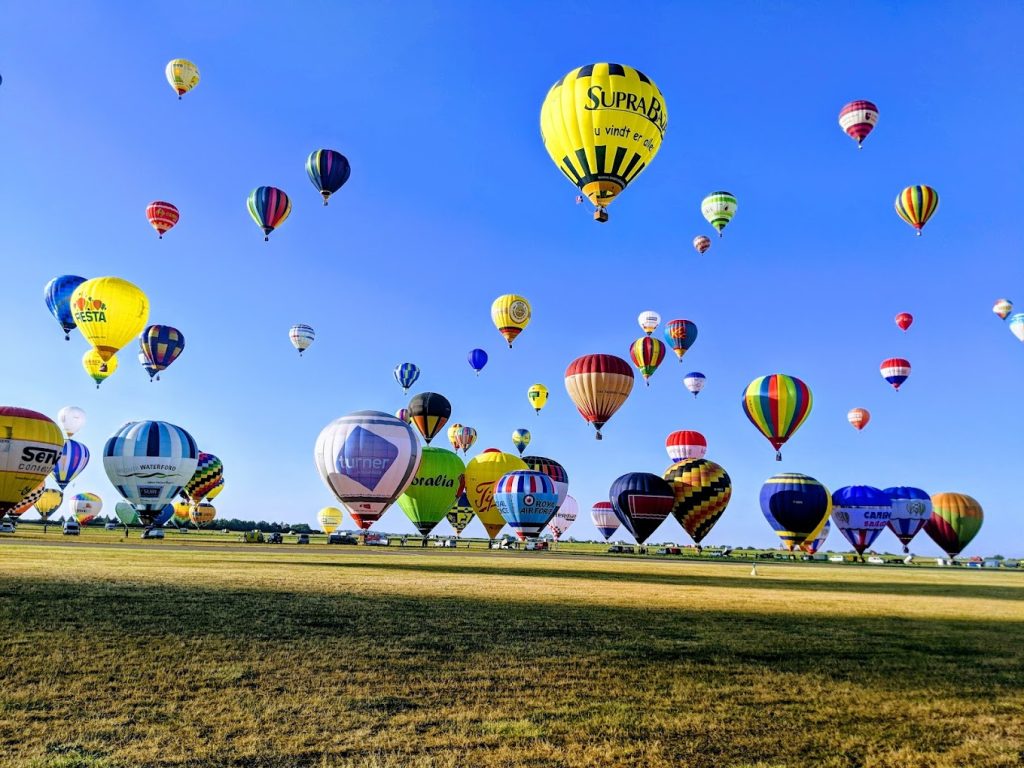
Event organizers and European aviation officials describe this biennial gathering in the Lorraine region as a logistical marvel that pushes the limits of airspace capacity. The festival is known for attempting world records for the largest simultaneous mass ascent, which involves arranging hundreds of balloons in long, parallel lines. This linear formation means that a delay by one pilot can cause a domino effect of aborted launches and basket collisions on the ground as the wind pushes inflated envelopes into one another.
Pilots flying here must be adept at drag launches where the wind catches the balloon before it is fully vertical. Safety teams monitor the launch lines specifically for fabric burns and entanglement risks as the massive envelopes ripple and sway in the French countryside breeze. The sheer width of the launch field allows for massive numbers, but once the pack is airborne, the convergence of tracks often results in a dense cloud of nylon where separation is minimal.
Saga International Balloon Fiesta In Japan
Competition directors and Japanese aviation regulators highlight the intense precision required at this event held along the Kase River. The festival is largely competitive, meaning pilots are not just drifting but actively steering toward targets while surrounded by a swarm of rivals. The riverbed launch site is narrow and long, forcing balloons to ascend in close proximity while navigating the variable winds that flow through the river valley.
The competitive nature encourages pilots to fly aggressively to reach markers, often leading to distinct congestion points in the sky. Observers note that the focus on scoring can sometimes narrow a pilot’s situational awareness regarding nearby baskets. The wind currents in the valley can shift rapidly, causing groups of balloons to suddenly change direction and compress the spacing between competitors to a matter of feet.
The Great Reno Balloon Race In Nevada

Mountain meteorologists and desert pilots view the Reno event as a battle against the unique atmospheric conditions of the high desert. The race is famous for its Dawn Patrol, where balloons launch in the dark, adding the challenge of low visibility to the risks of mass ascension. The Washoe Zephyr, a local wind phenomenon, can kick up unexpectedly, creating shear layers that twist balloons and threaten to tangle rigging lines during the climb out of the basin.
Safety officials strictly monitor the canyon winds that feed into the launch site at Rancho San Rafael Park. The park itself is surrounded by power lines and residential developments, leaving little room for error during the initial ascent. Pilots must gain altitude quickly to clear obstacles while ensuring they do not collide with the hundreds of other balloons rising simultaneously in the crisp, thin air.
International Balloon Festival Of Saint-Jean-sur-Richelieu In Canada
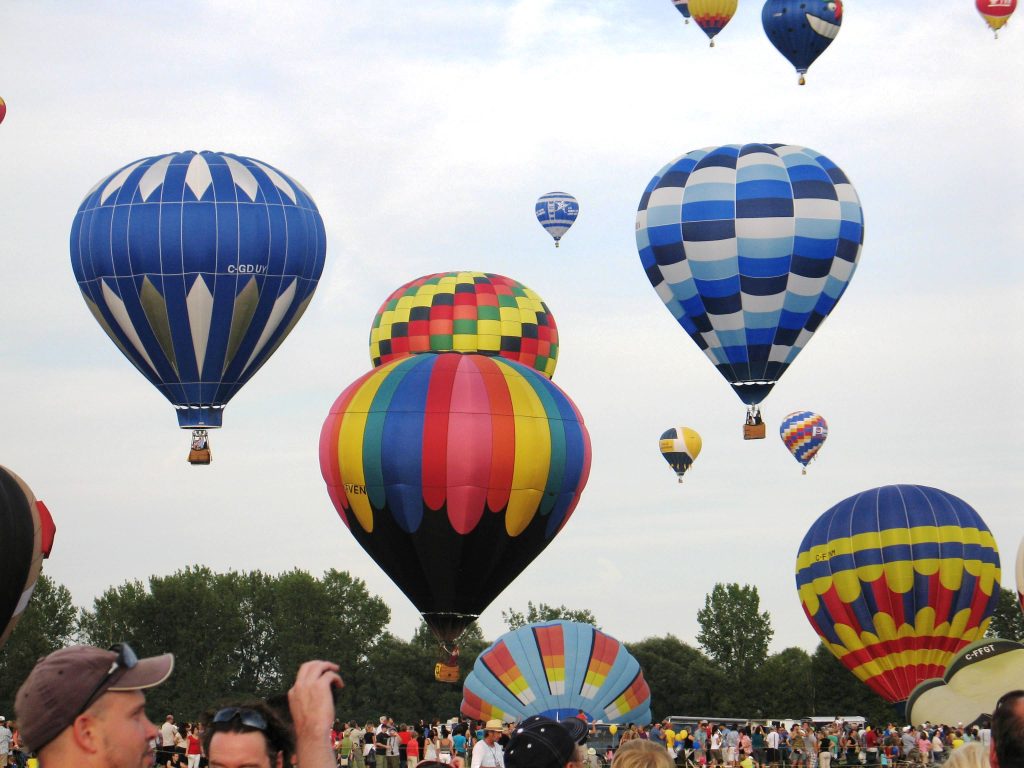
Canadian transport officials and event meteorologists manage this festival with a keen eye on the humid, unstable air masses of the Quebec summer. The festival grounds are relatively compact, leading to a high density of balloons on the field during inflation. Pilots often have to coordinate with their neighbors to ensure that one envelope does not melt against the burner flame of another during the chaotic setup phase.
The proximity to the Richelieu River creates localized wind effects that can pull balloons off course immediately after liftoff. Flight directors emphasize that the summer weather can produce sudden thermal gusts that disrupt the orderly flow of the mass ascension. Managing these unpredictable surges while surrounded by heavy traffic requires pilots to maintain a constant dialogue with safety crews and fellow aviators.
Festival International de Ballons In Switzerland
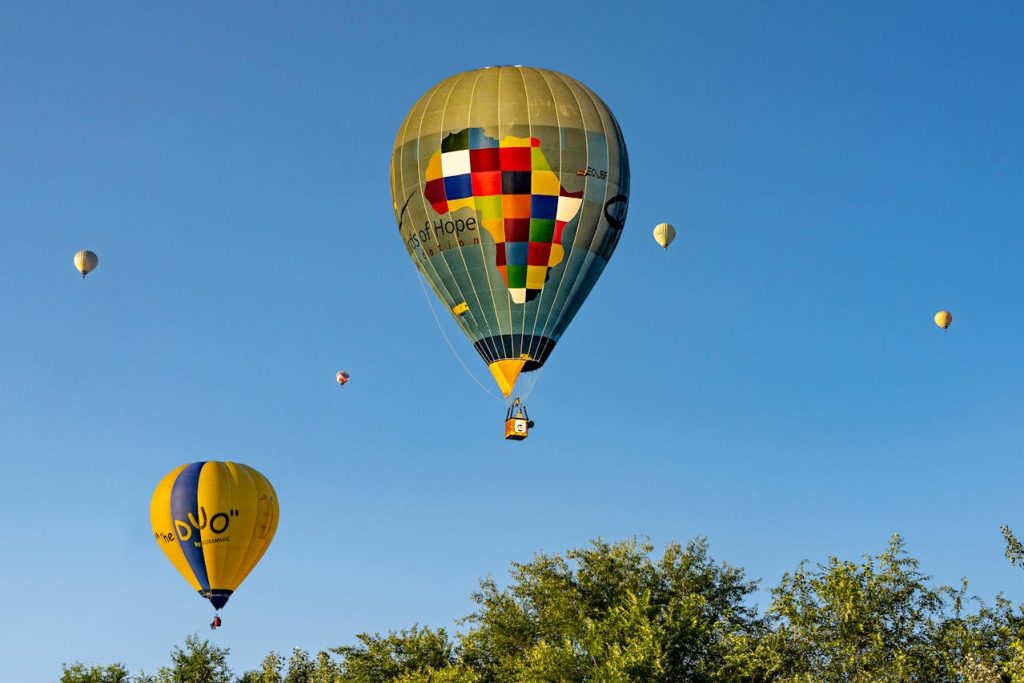
Alpine aviation experts and mountain pilots regard the Château-d’Oex festival as a premier test of mountain flying skills. The festival takes place in a deep valley where the wind patterns are dictated by the sun warming the slopes. Rotor winds, which swirl over the mountain peaks, can create downdrafts that push balloons together or force them toward the valley floor.
The scenery is spectacular, but the terrain leaves few options for emergency landings or bailouts. Pilots must commit to the flight path and trust the valley winds, often flying in tight formation to utilize the same air currents. The cold winter air increases the lift capacity of the balloons, but the narrow valley walls mean that the entire fleet is funneled into the same corridor, increasing the likelihood of close encounters.
Leon International Balloon Festival In Mexico
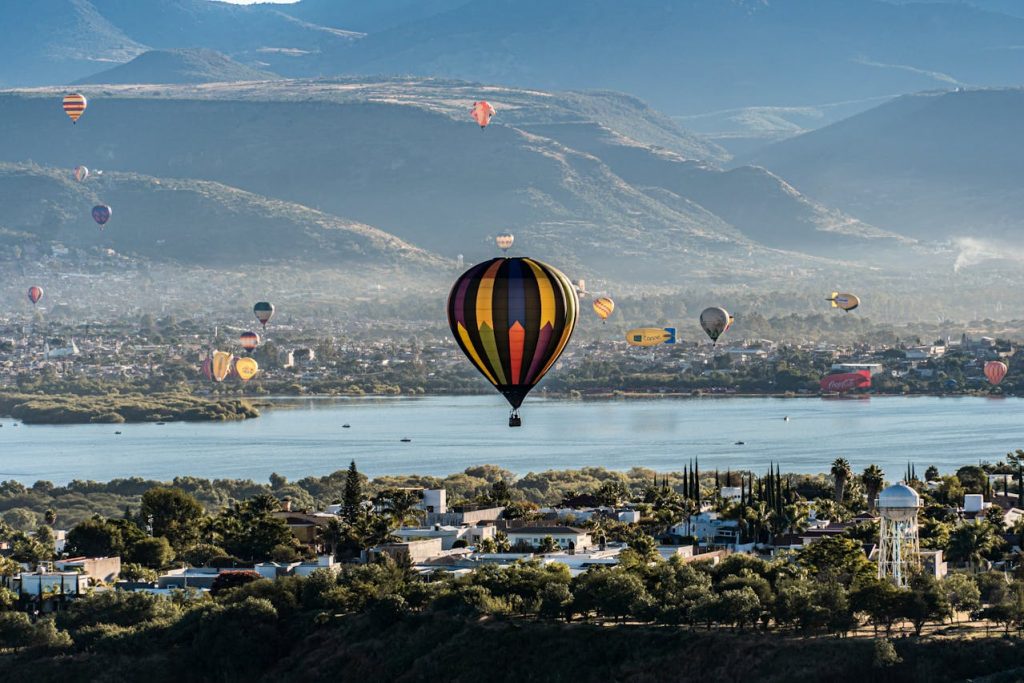
Mexican aviation authorities and high-altitude specialists monitor this festival closely due to the challenges of flying at nearly six thousand feet above sea level. The thin air requires hotter burns and faster ascents, which can reduce the reaction time available to pilots trying to avoid a collision. The launch site is located near a large body of water, the Presa El Palote, which creates a specific microclimate that draws the balloons toward the lake.
The density of the launch is one of the highest in Latin America, with hundreds of balloons filling a confined park area. Spectator crowds are permitted remarkably close to the baskets, adding another layer of distraction for pilots during the critical inflation checklist. Navigating the exit from the park while avoiding the water and the densely packed colorful envelopes requires aggressive maneuvering and experienced judgment.
Canberra Balloon Spectacular In Australia
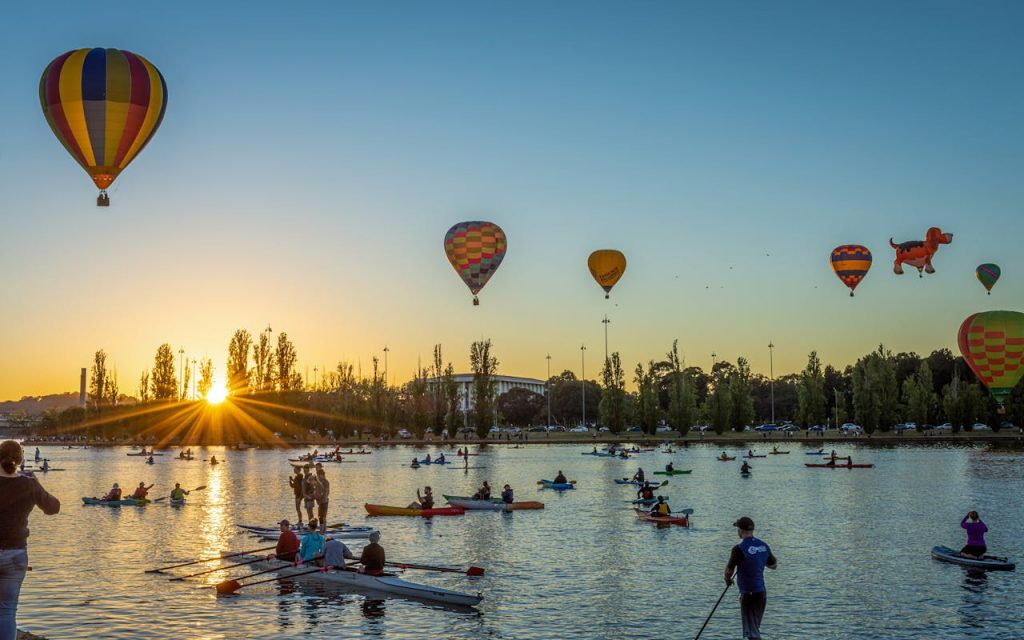
Civil aviation safety authorities in Australia permit this festival to operate within the Parliamentary Triangle, creating a rare urban flying environment. Pilots launch from the lawns of the Old Parliament House and must immediately navigate around national monuments, flagpoles, and government buildings. The restricted airspace and the presence of architectural obstacles mean that the margin for error is virtually non-existent.
The winds in Canberra during the autumn can be fickle, shifting direction as the sun rises over the surrounding hills. Flight directors maintain strict control over the launch sequence to prevent balloons from drifting into the path of commercial air traffic or becoming entangled with the sharp angles of the city’s modern architecture. The visual drama of balloons drifting between office blocks belies the intense concentration required to keep baskets clear of glass and steel.
European Balloon Festival In Spain
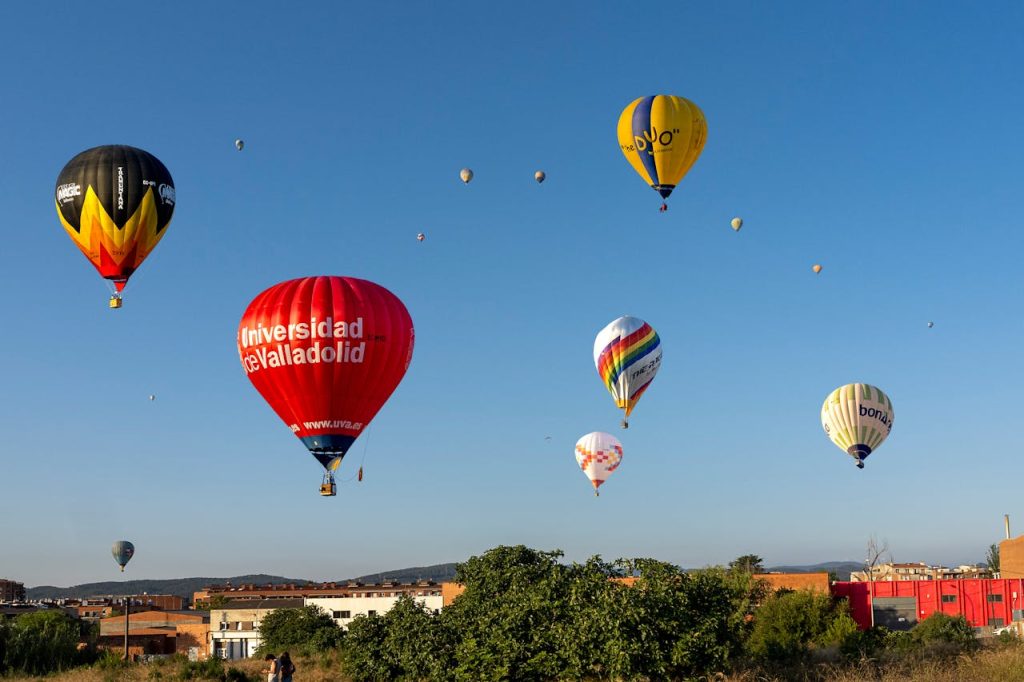
Catalonian flight directors and European competition officials gather in Igualada for this event, which serves as a major competitive hub. The region is known for its thermal activity, which can generate significant vertical air movement by mid-morning. Pilots attempting to complete precision tasks often find themselves bunched together over a target, creating a vertical stack of baskets where the risk of collision is elevated.
The launch field is a natural amphitheater that traps the morning air, allowing for a calm initial inflation but often leading to congestion as everyone lifts off at once. Expert pilots note that the transition from the sheltered valley to the upper winds can be turbulent. Managing this shear zone while surrounded by dozens of other balloons requires a steady hand on the burner and constant scanning of the airspace above and below.
Taiwan International Balloon Festival In Taiwan
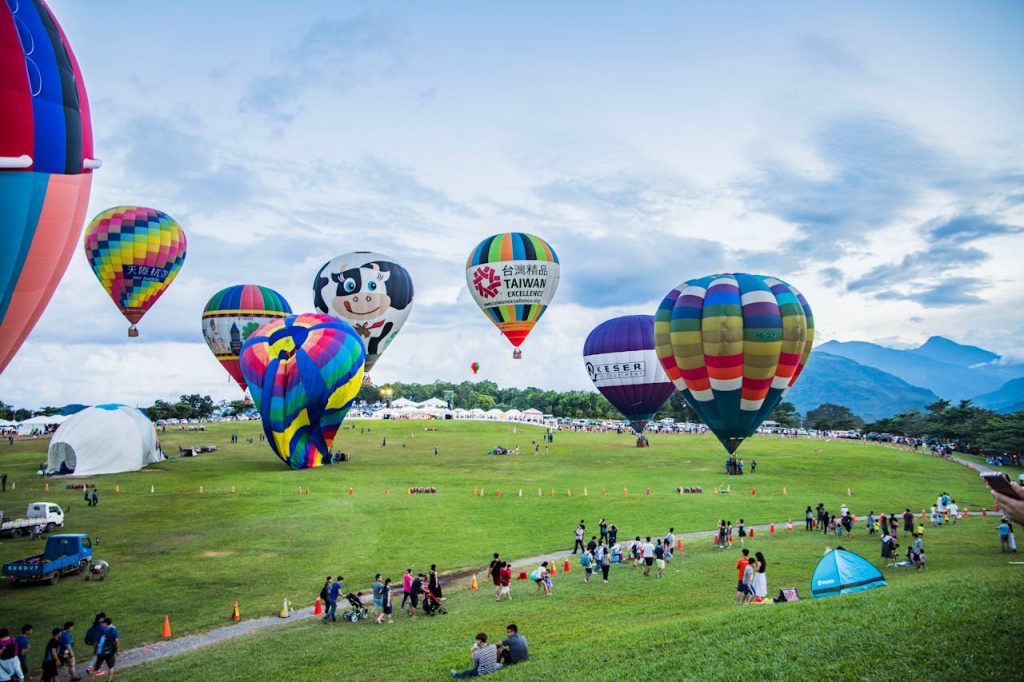
Asian aviation experts and tourism officials chose the Luye Highland for this festival specifically for its unique topography. The launch site is a plateau overlooking a valley, which creates a reliable but strong wind flow. Pilots must manage the slope wind that rushes up the highland, which can cause balloons to accelerate rapidly immediately after leaving the ground.
The festival runs for several weeks, exposing crews to a wide variety of weather conditions including the humidity and heat of the Taiwanese summer. The thermal generation from the valley floor can create strong updrafts that lift balloons uncontrollably if not managed correctly. Pilots flying in the mass ascensions here often find themselves fighting to maintain separation as the entire pack is swept up and out over the tea plantations by the dominant valley breeze.
Adirondack Balloon Festival In New York
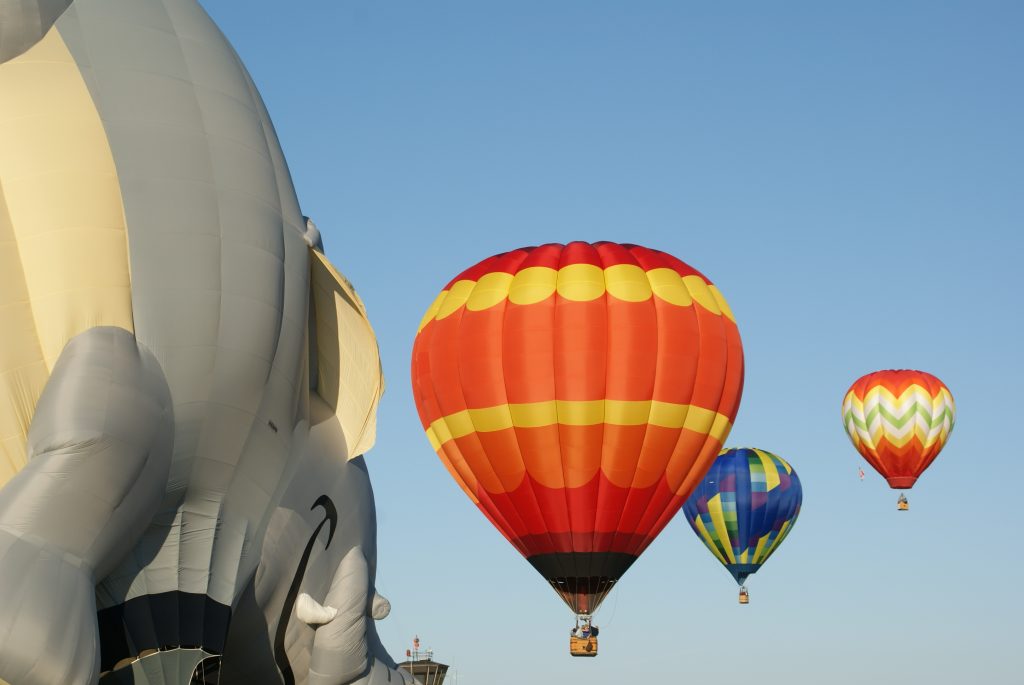
Northeast aviation safety officers and local organizers manage this event at the foot of the Adirondack Mountains. The autumn weather provides crisp flying conditions, but the winds rolling off the mountains can be unpredictable and swift. The launch field at the airport is vast, yet the sheer popularity of the event attracts nearly one hundred balloons, creating a wall of fabric during the inflation window.
Pilots often have to contend with fog in the valley or winds that pick up speed as the sun warms the runway. The proximity to the airport infrastructure and the surrounding forests limits the available landing spots, forcing the mass of balloons to drift toward the same open fields. This convergence at landing sites often results in a crowded final approach where baskets bump and scrape as pilots vie for the safest patch of grass.
Teton Valley Balloon Rally In Idaho
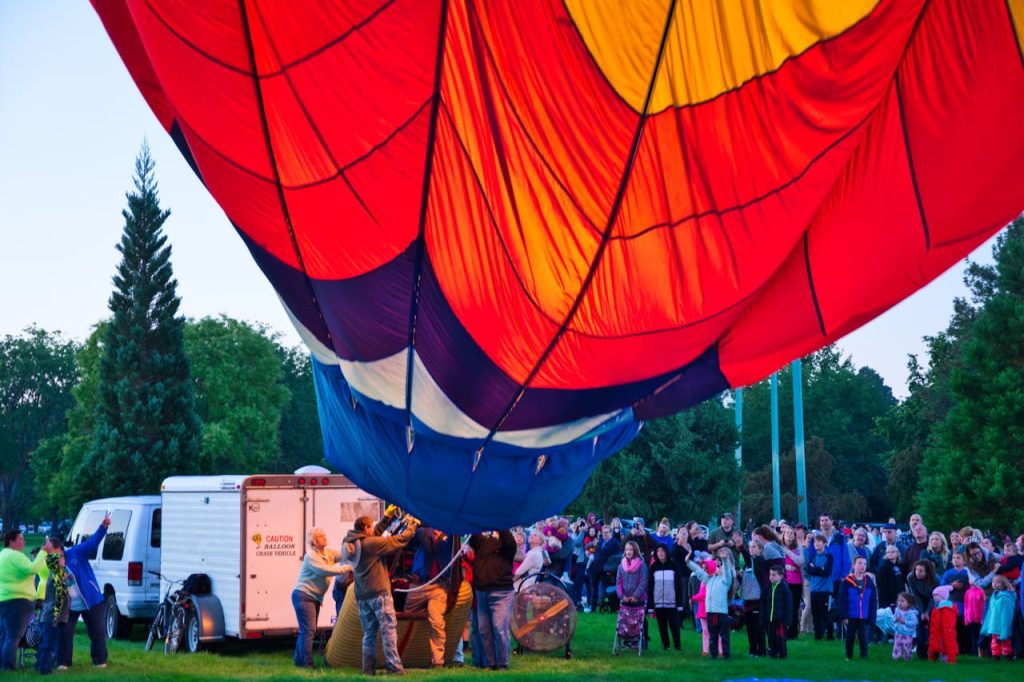
Mountain flying instructors and local pilots revere the Driggs event for its spectacular setting and formidable weather. The Tetons create a massive barrier that influences the wind patterns for miles, often generating wave action that can ripple through the fleet. The high elevation of the valley means that balloons respond sluggishly to burner input, requiring pilots to anticipate altitude changes well in advance.
The morning inversion layer in the valley is crucial for a safe launch, but it can break quickly, leading to gusty conditions. Safety officers scrutinize the wind profiles over the peaks to ensure that the balloons are not sucked into the mountain passes. The small field of participants allows for some spacing, but the valley winds tend to funnel everyone along the same track, creating a tight line of balloons moving in unison against the jagged backdrop.
Colorado Springs Labor Day Lift Off In Colorado

High-altitude flight experts and Colorado meteorologists note the specific challenges of flying in the shadow of Pikes Peak. The mountain generates its own weather systems, including katabatic winds that flow down the slopes in the morning. These drainage winds can push balloons toward the populated city center or into restricted military airspace nearby.
The launch from Memorial Park takes place on a lakefront, adding the variable of water landings to the mix. Pilots must gain altitude to catch the steering currents while avoiding the wake turbulence of the balloons ahead. The high elevation density altitude affects the performance of the burners and the lift of the envelopes, demanding that pilots operate their aircraft at the edge of their performance envelopes while maintaining separation in a crowded urban sky.