
Tourism officials and immigration experts across Asia have implemented significant updates to entry protocols as the region adapts to modern travel demands. These shifts are designed to enhance security while simplifying the arrival process for millions of international guests. Authorities note that the transition from paper-based forms to digital platforms is a primary focus, ensuring that data is captured accurately before travelers even reach the border.
Travel analysts observe that these changes often involve a combination of new electronic arrival cards, revised visa-free policies, and environmental levies. Experts at global mobility firms suggest that staying informed about these specific requirements is no longer optional, as many airlines now enforce no-boarding directives for those without the proper digital credentials. Understanding the nuances of these updated rules is essential for a seamless journey through the continent.
The following guide highlights the specific destinations where recent policy changes have redefined the visitor experience. From the implementation of sustainable development fees to the launch of mandatory digital declarations, these updates reflect a broader trend toward more regulated and technologically integrated border management. Travelers are encouraged to verify current requirements through official government portals prior to departure.
Japan

Customs officials in Japan have introduced a more rigorous digital framework for tax-free shopping that requires non-residents to maintain a specific temporary visitor status. Experts explain that the previous system of instant paper-based refunds is being replaced by a digital verification process where purchase data is transmitted directly to the National Tax Agency. To remain eligible for these benefits, visitors must ensure they receive a physical entry stamp in their passports even when using automated facial recognition gates at major airports.
Local authorities in popular districts have also introduced new financial measures to manage overtourism and support preservation. Travel industry specialists point out that Himeji Castle has implemented a dual-pricing structure, while Kyoto has significantly increased its tiered accommodation tax. These changes mean that the cost of staying in high-end lodging or visiting heritage sites now directly contributes to the maintenance of historical infrastructure and local community resources.
Thailand

State tourism departments in Thailand have officially replaced the long-standing paper arrival forms with a mandatory digital arrival card system. This platform requires international travelers to register their personal details, accommodation info, and flight data online before landing. According to immigration consultants, this shift is intended to reduce congestion at airport checkpoints and provide the government with better insights into visitor movements for safety and planning purposes.
Entry rules have also expanded to include a wider range of visa-exempt countries, with many visitors now eligible for stays of up to sixty days. Legal experts in Thai immigration law note that while the visa-free period has lengthened, the requirement for proof of funds and onward travel remains strictly enforced. The introduction of the Destination Thailand Visa has also created a new pathway for remote workers, reflecting the country’s desire to attract longer-term residents who contribute to the local economy.
Bali

Provincial government officials in Bali have introduced a mandatory tourist levy aimed at protecting the island’s unique environment and cultural heritage. This fee is separate from the standard Indonesian visa and applies to all foreign visitors entering the province, including those arriving from other parts of Indonesia. Environmental specialists emphasize that the revenue generated from this levy is earmarked for waste management projects and the preservation of traditional Balinese customs.
Immigration authorities have also transitioned the customs declaration process to a fully electronic format, requiring a QR code for clearance upon arrival. Travel advisors suggest that paying the tourist levy online through the official portal before departure can prevent delays at the airport. Failure to provide proof of payment or the necessary digital customs forms can lead to significant bottlenecks during the entry process, as manual processing is being phased out.
South Korea

The South Korean government has mandated an electronic arrival card for nearly all foreign nationals to streamline border security and health screenings. This digital requirement must be completed within the three days preceding arrival, providing authorities with real-time data on incoming travelers. Security analysts state that this measure allows the Immigration Service to pre-screen visitors and identify potential risks before they reach the terminal, enhancing national safety.
Once the electronic card is issued, it typically remains valid for a specific window of time, requiring travelers to be precise with their submission dates. Experts in Asian travel policy note that this system replaces the old handwritten cards distributed on aircraft, making the arrival experience more efficient for those who prepare in advance. Visitors are advised to keep a digital or printed copy of their confirmation to present to airline staff and immigration officers.
Bhutan

The Department of Tourism in Bhutan has recently adjusted the Sustainable Development Fee to balance conservation goals with the need to revitalize the tourism sector. While the fee remains a significant part of the daily cost for international visitors, the government has implemented temporary incentives that reduce the nightly rate for those paying in foreign currency. Conservationists explain that these funds are vital for maintaining Bhutan’s carbon-neutral status and providing free healthcare and education to its citizens.
Tourists are no longer required to adhere to a fixed daily package rate, allowing for more flexibility in choosing accommodations and guides. Industry experts observe that this change grants travelers more autonomy in planning their itineraries while still ensuring that their visit supports the kingdom’s high-value, low-volume tourism philosophy. Every visitor must still obtain a visa and pay the required fees through an authorized tour operator or the official government portal.
China

Mainland China has significantly expanded its visa-free entry policies for citizens of dozens of countries to encourage international business and tourism. This unilateral move allows eligible travelers to enter for short stays without the need for a traditional consular visa, provided their visit falls under specific categories such as sightseeing or family visits. Trade analysts suggest that this policy shift is intended to foster closer international ties and simplify the logistics of traveling to major Chinese hubs.
In addition to the national visa-free program, regional policies in areas like Hainan Province and specific coastal cities offer expanded stay durations for cruise passengers and tour groups. Experts in Chinese travel regulations highlight that while the visa requirements have eased for many, visitors must still comply with mandatory registration at local police stations or through their hotels. The 240-hour visa-free transit policy also remains a popular option for those connecting through major international airports.
Malaysia

The Malaysian Ministry of Home Affairs has extended visa-free privileges to several major markets, allowing for thirty-day stays through the end of 2026. However, all travelers must now complete a digital arrival card within three days of their scheduled entry. Immigration experts emphasize that this digital declaration is a mandatory requirement for all foreign arrivals, regardless of whether they require a visa or are part of a visa-exemption program.
Failure to submit the digital card can result in entry denials or significant delays at the border, as the system is now integrated into the primary immigration database. Regional travel consultants note that while Malaysia remains one of the most accessible destinations in Southeast Asia, the government has increased scrutiny regarding proof of sufficient funds and confirmed return tickets. These measures are designed to ensure that visitors have the means to support themselves during their stay.
Singapore
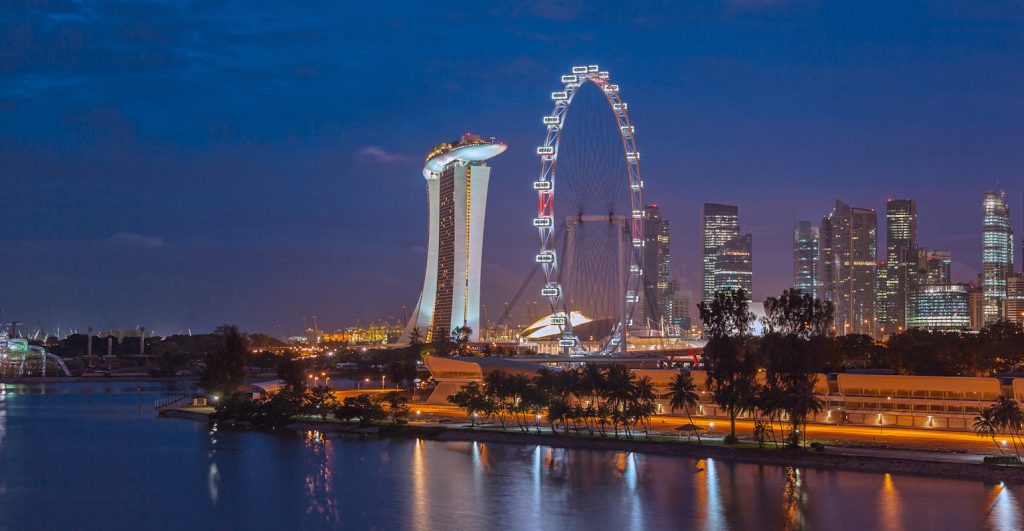
The Immigration and Checkpoints Authority in Singapore has implemented a no-boarding directive that shifts much of the entry screening process to the point of departure. Airlines are now required to verify that passengers have completed the necessary arrival card and meet all entry requirements before they are allowed to board flights to the city-state. Security experts explain that this upstream approach prevents undesirable or ineligible individuals from reaching Singaporean shores, thereby strengthening border integrity.
The traditional paper arrival card has been entirely replaced by a digital version that collects health and travel information. Travel coordinators point out that the system is now highly automated, with many travelers eligible to use biometric lanes if they have submitted their digital forms correctly. This move toward a paperless border is part of a broader initiative to make Changi Airport one of the most efficient travel hubs in the world.
Philippines

The Bureau of Immigration in the Philippines has introduced new visa-free entry options for specific nationalities to boost arrivals from emerging markets. These rules allow for short-term stays for tourism purposes, provided the traveler holds a valid visa or permanent residency from a list of approved countries. Tourism board officials state that these changes are part of a strategic effort to make the archipelago more competitive with neighboring destinations.
To facilitate these new rules, the government has also streamlined the electronic visa application process for those who do not qualify for visa-free entry. Experts in Philippine travel policy note that visitors must still present proof of onward travel and confirmed accommodation to satisfy border officials. The non-extendable nature of these short-term entries means that travelers must be certain of their departure dates to avoid overstay penalties.
Vietnam

Vietnam has implemented a resolution that grants visa-free entry for up to forty-five days to citizens from several European and Asian nations. This extension from the previous fifteen-day limit is designed to encourage longer stays and more extensive travel across the country’s diverse regions. Economic analysts suggest that the longer duration allows tourists to contribute more significantly to local economies, particularly in less-visited rural areas.
While the visa-free period has been lengthened, immigration advisors remind travelers that the purpose of entry must strictly match the visa category. For those not covered by the exemption, the electronic visa system remains the primary method for obtaining entry authorization. Authorities have worked to make the digital application more user-friendly, although travelers are still advised to apply well in advance of their trip to account for processing times.
Taiwan

Taiwanese immigration authorities have transitioned to an entirely online arrival card system, eliminating the use of paper forms at all ports of entry. This digital mandate applies to foreign nationals entering under visa-exemption programs or with visitor visas. Technology experts in the travel sector explain that the new system automatically links the arrival data to the traveler’s passport, allowing for a faster and more seamless clearance process.
The requirement to complete the online form before arrival is strictly enforced, and travelers are encouraged to submit their data at least three days prior to landing. Local officials state that the move to a digital system reduces the administrative burden on immigration staff and minimizes the time visitors spend in queues. By modernizing the entry process, the island aims to enhance its reputation as a tech-forward and welcoming destination.
Cambodia

The Cambodian government has launched a new electronic arrival card that integrates immigration, health, and customs declarations into a single digital form. Starting in 2025, this requirement became mandatory for all international visitors, replacing the multiple paper forms previously required during flight or at land borders. Public health officials note that the digital system allows for more effective monitoring of health trends and ensures that customs data is accurately recorded.
The new system is accessible through an official government website and must be completed prior to arrival to generate a necessary QR code. Travel industry specialists observe that this digital shift, combined with the availability of electronic visas, has made entering Cambodia more straightforward for those who prepare ahead. Despite the digital advancements, travelers are still advised to carry printed copies of their approvals as a precaution during the early stages of the system’s implementation.