There is a really good reason few tourists make it to Colombia’s Pacific coast. It rains… a lot. In fact, the region is listed in the top 10 for most precipitation anywhere on Earth.
Being so persistently damp all the time, my backpack soon began to smell of wet dog — and it was a struggle just to get my laundry to dry.
I actually had no idea of this before coming! But… I wasn’t here for sunbathing anyway. I was drawn to the Chocó region for the incredible wildlife experiences, having heard whispers of a little-known ecotourism gem that will reward those who make the effort.
I did actually get one gloriously sunny day. But even the most decidedly wet days were still 100% amazing. Bahía Solano was possibly my best experience in all of Colombia.
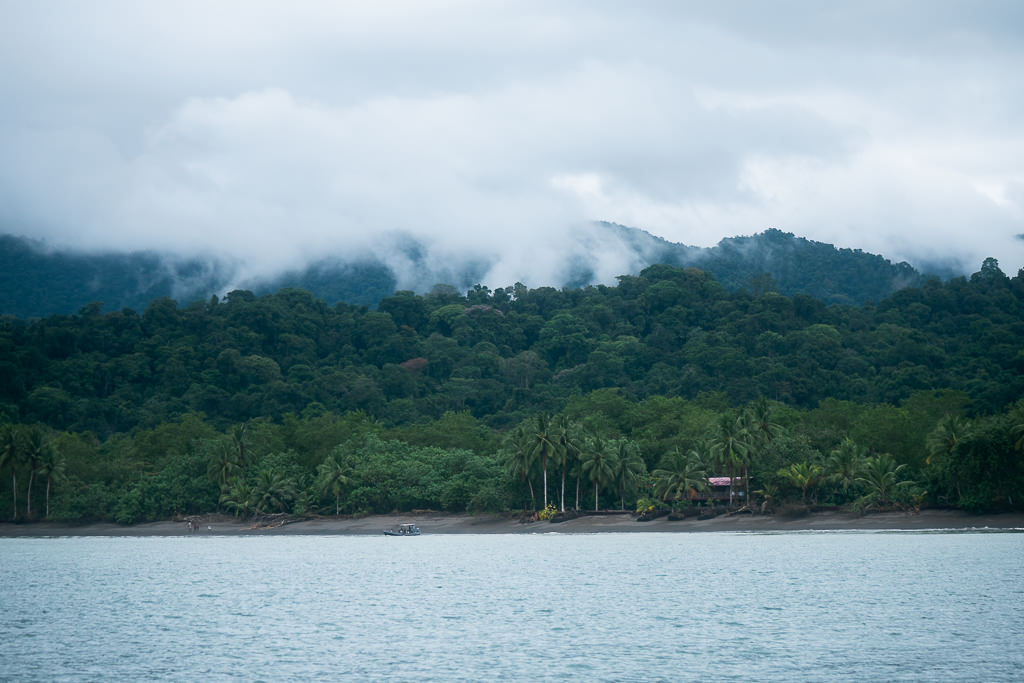
For sure, if you want gentle turquoise waters and sunny holiday vibes, go to the Caribbean coast. If you want to go somewhere remote, untamed, and bursting with awe-inspiring nature, then you have to go to Colombia’s Pacific coast.
Forget about the weather reports and just go. Because this is the truly-wild-coast. It’s where “rainforest” is given new meaning. And it’s where you can still have your radiant time in paradise whenever the sun does elbow its way in.
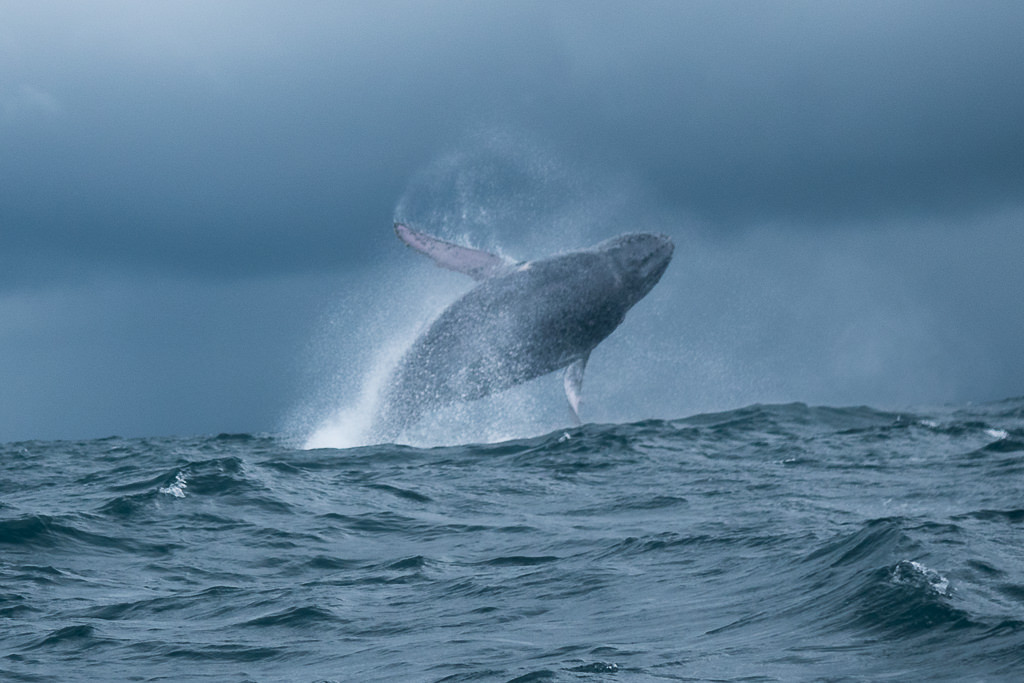
It’s also where, from July to mid-October, you can see these glorious beasts breaching all over the coast…
Alright, do I have your attention?
Then let’s dig in.
I’ve gotten several messages from people searching for safety info for Bahía Solano or Nuquí. I understand why as on certain safety maps the Chocó department seems entirely painted with the dreaded “bad brush”.
But… zoom in on those maps and you’ll see this concerns mainly the remote and inaccessible jungles. The two towns and surrounding coastline are considered safe for tourists. (I recommend consulting the reasonable and granular UK travel maps, or those of Canada or Australia, and not the extreme and litigation-obsessed US State Department.)
I felt very safe in Bahía Solano. In fact, more so than in many popular Colombian cities. The tight-knit community here is friendly and welcoming, there’s a police presence, and I personally had zero concerns. If you fly here, you will 100% avoid any known trouble spots.
Where to go on the Pacific coast
First, let’s get orientated. It’s a bit tricky to discuss Colombia’s Pacific coast because there are many names you could use. Bear with me…
I could broadly say it’s the Pacific Coast of Colombia, or that it’s the Chocó region, or that it’s near Utría National Park, which is its most protected area.
Zooming in a bit, I can mention that I went to the town of Bahía Solano — except, I didn’t really stay in Bahía Solano, but a beach called Playa Almejal near the village of El Valle that’s 45 minutes south of it. (Yet everyone still refers to it as Bahía Solano.) And then there are several other places entirely where you can experience the coast of Chocó, most notably Nuquí.
Phew! Still with me here?
Actually, all you really need to know is that along the Pacific coast there are some remote villages where some small-scale ecotourism has sprouted and where you can stay in simple guesthouses, hostels, and ecolodges.
Of these villages, Bahía Solano and Nuquí are the two most commonly visited due to being safe and also more accessible thanks to both having small airstrips offering regular air connections to Medellin. (Neither village is connected by road. It’s just pure jungle around them.)
Bahía Solano or Nuquí?
Because flights to Nuqui were sold out at the time I travelled, I went to Bahía Solano. This automatically settled the matter of where I should go. Though it turned out that in terms of the major sightseeing, Nuquí and Bahía Solano will give you roughly the same experience.
Bahia is located to the north of Utría National Park and Nuqui to the south; boat trips will take you to the same places in Utría between them.
Each village also offers beaches and different hikes to waterfalls. However, the smaller Nuquí is known for being a bit more rustic, while Bahía Solano is more of a hub with a bit more infrastructure (having circa 10,000 inhabitants). I can say that I loved my stay in El Valle near Bahía Solano, which was just a tiny village, while having the convenience of accessing it through Bahía Solano.
There is a third place in a wild part of Chocó that also receives a small trickle of visitors: Bahía Málaga. For what it’s worth, it’s an area reputed for its narcotrafficking (Buenaventura being the main port for smugglers). Some backpackers do make it out there, but it’s a bit on the frontier of tourism and there are security concerns to be aware of.
However, both Bahía Solano and Nuqui are considered safe and I felt that El Valle was among the safest places I’ve been in Colombia.
Where to stay in Bahía Solano
I’ll get to all the unbelievable whale watching, epic jungle hikes, and wild beaches in a moment, but first the practical matter of where to stay. If you like basic but soulful eco-accommodation, then El Valle is just the place.
You can choose to stay in the town of Bahía Solano itself, which has a few more developed hotels. El Valle is directly on the beach and has more rustic accommodation.
Backpacker accommodation


I personally stayed at the Utria Hostel, which I highly recommend as a budget option in the middle of tropical paradise. It has a lovely communal atmosphere with a lounge deck upstairs and a small bar downstairs, not to mention a big pool in front. There are dorms and private rooms.
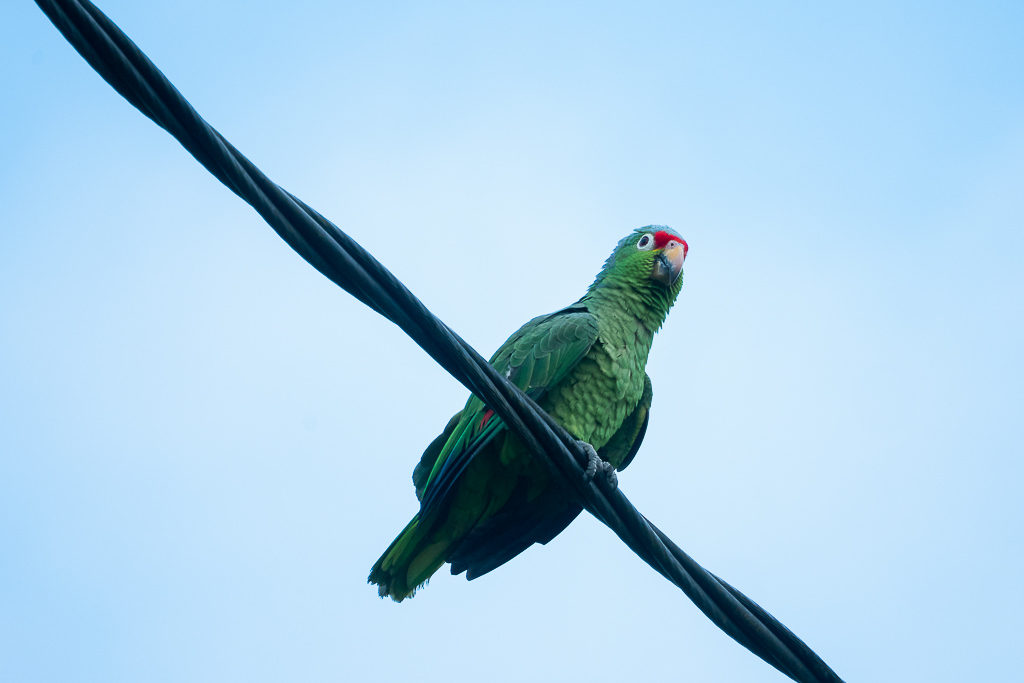
There is a communal kitchen you can use. You’ll be told to put your food in some tupperware or else the parrots will steal it (I thought that was amazing!).
Check utria hostel
Alternatively, the nearby Humpback Turtle Hostel has a similar vibe with thatch roof cabins, hammocks, communal kitchen, and surf board and kayak rental.
Mid-budget ecolodges
Based on getting to know the village and meeting travelers staying elsewhere, I recommend these two places if you’re looking for a little more comfort or privacy:
Posada Don Aí has eight bungalows on stilts as well as private rooms with sea views, including family rooms for up to 4 guests. It’s a place surrounded by nature and right on the beach. The on-site restaurant is fantastic (I went to eat here almost every day).
Check At Booking.com


Casa Origen meanwhile is a lovely wooden guesthouse at the far end of Playa Almejal. The palm-fringed rocky coast around here is among the most scenic. The property has a jungle hut feeling but with higher standards than the hostels. It has only one luxury bungalow and you share the house (but not your floor) with the owners, though this means you can expect a high level of local hospitality.
Check At Booking.com
Higher-end hotels
There isn’t any true ‘luxury’ accommodation in or around Bahia Solano. Keep in mind that the Pacific coast is very remote and only supplied by a cargo boat once a week. But some hotels with more comfort do exist.
Hotel Costa Chocó is my recommendation, featuring spacious rooms, a big pool, and a large lounge and garden. Since my whale-watching tour departed from Hotel Costa Chocó, I was able to spend some time here and could tell that it’s surely the nicest hotel in the area.
Check At Booking.com
Activities in Bahía Solano
Go whale watching
Thousands of migrating humpback whales arrive on the coast of Choco beginning in July and typically stay there until November.
During my stay in July, whales were truly everywhere. They were hanging out in the open sea but also very close to shore. You could sometimes even see them breaching just while walking along the beach!
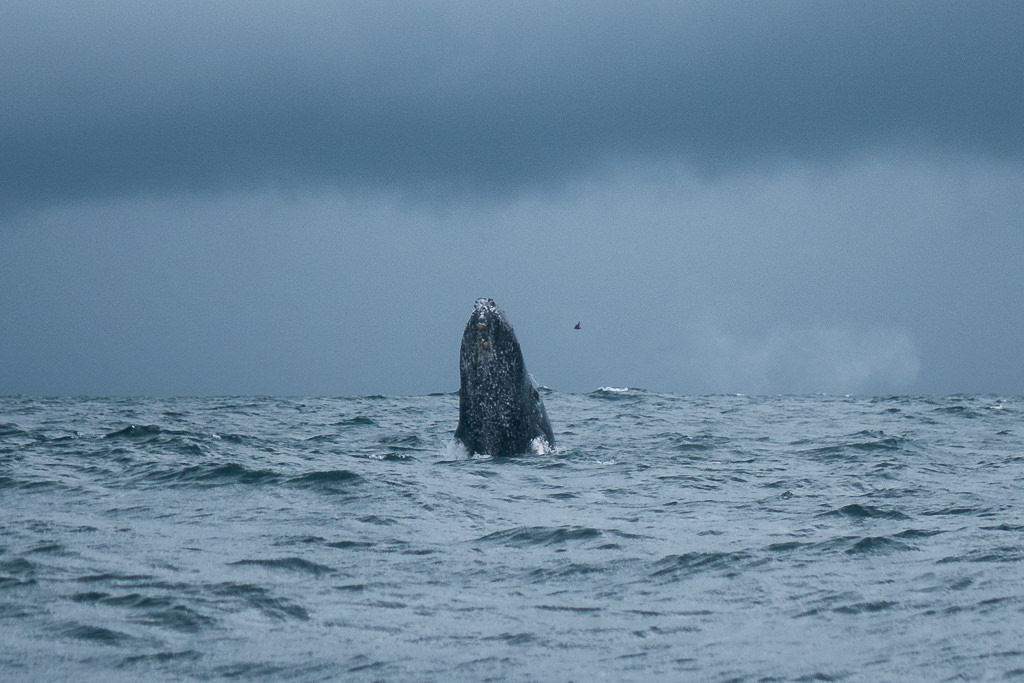


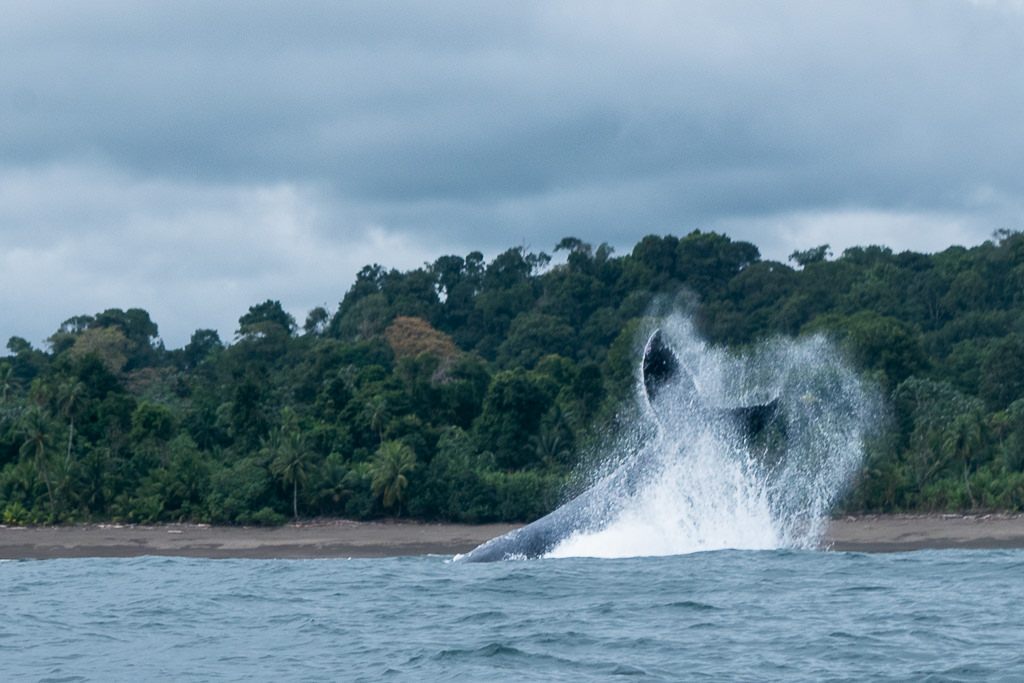
On a whale-watching tour run by local fishermen, it took just 20 minutes before I sighted my first humpback. They then kept appearing constantly; some swimming by and showing their dorsal fins, some playfully slapping their tails on the water surface, and others breaching and showing off their acrobatic moves.
Sure, you’ve seen it in nature documentaries. But seeing these gentle giants with your very own eyes is on another level. I was blown away by how easy it was to find them — quite unlike other whale-watching tours I’ve done in other parts of the world that required a lot more patience and luck.
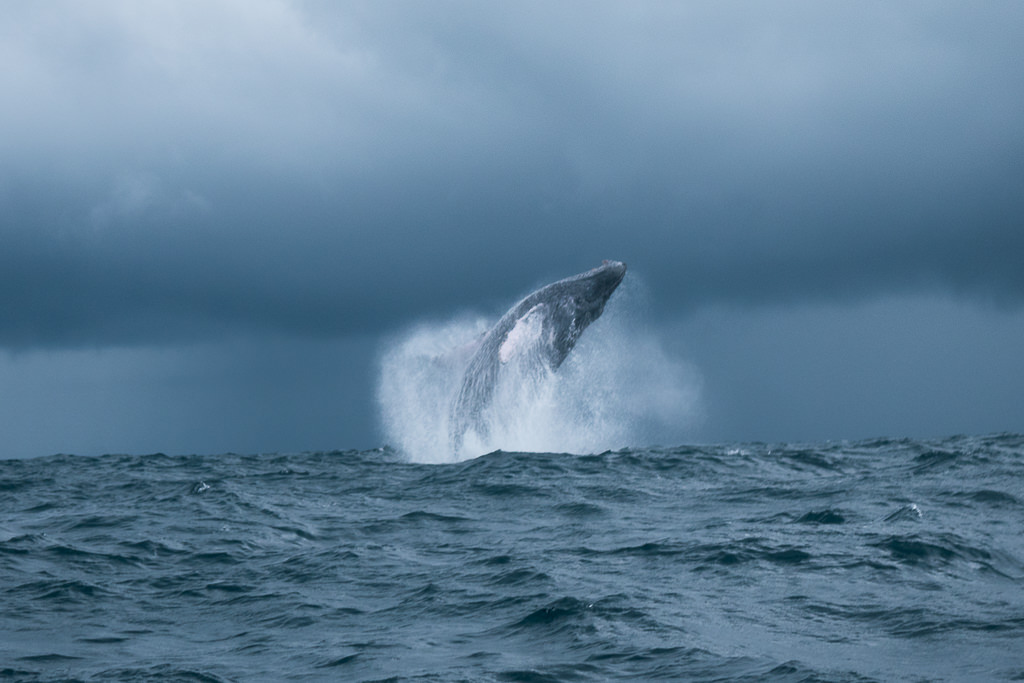
The whales are so present here that even if you’re doing something that isn’t a whale-watching tour but still involves a boat, you will probably be seeing a lot of whales. Trips to beaches or waterfalls will give you the chance to easily spot them along the way.
For dedicated whale watching tours you have two options:
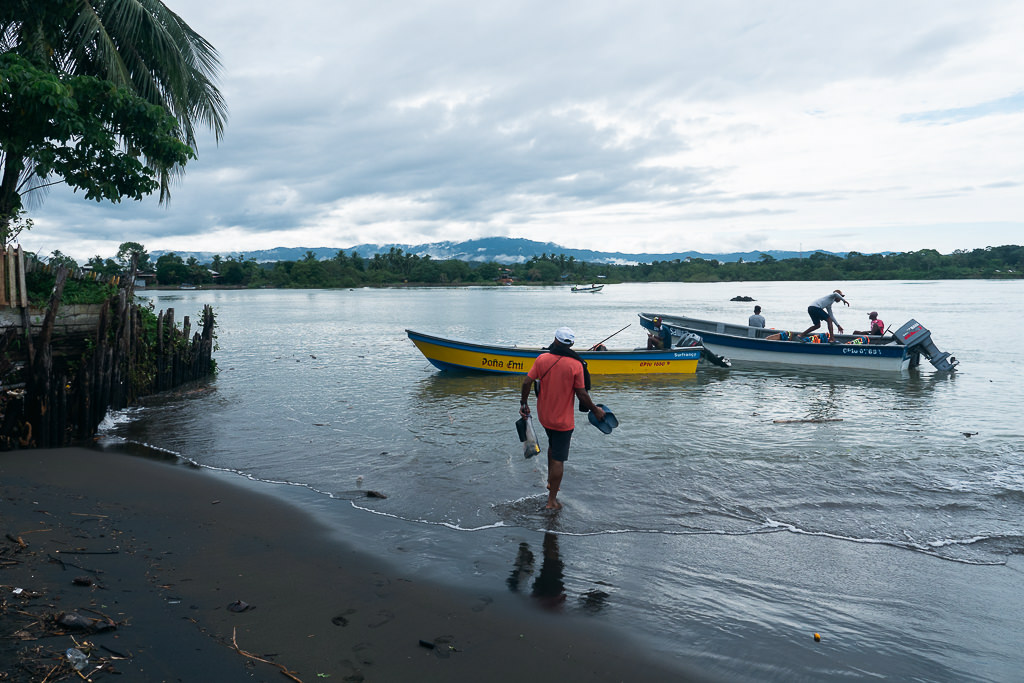
1. You can go with local fishermen or guides on a whale observation tour. This is a way to see the whales that is also a bit cheaper. Your captain may give some information about the whales or the landmarks along the coast, though it’ll probably be in Spanish and a bit more basic. These tours can be easily booked locally through your guesthouse or hostel.
2. There are also two marine biologists running whale-watching tours from Bahia Solano town. Thanks to their extensive work studying the whales, they can give a lot more details about their lives, behaviours, and migration patterns. They also have an underwater microphone letting you hear their songs.
Their company is Madre Agua. While it costs a bit more than other tours, you also get a more polished ecotourism experience offered in Spanish or English. Their team is very passionate about the whales and fostering sustainable ecotourism and I highly recommend them.
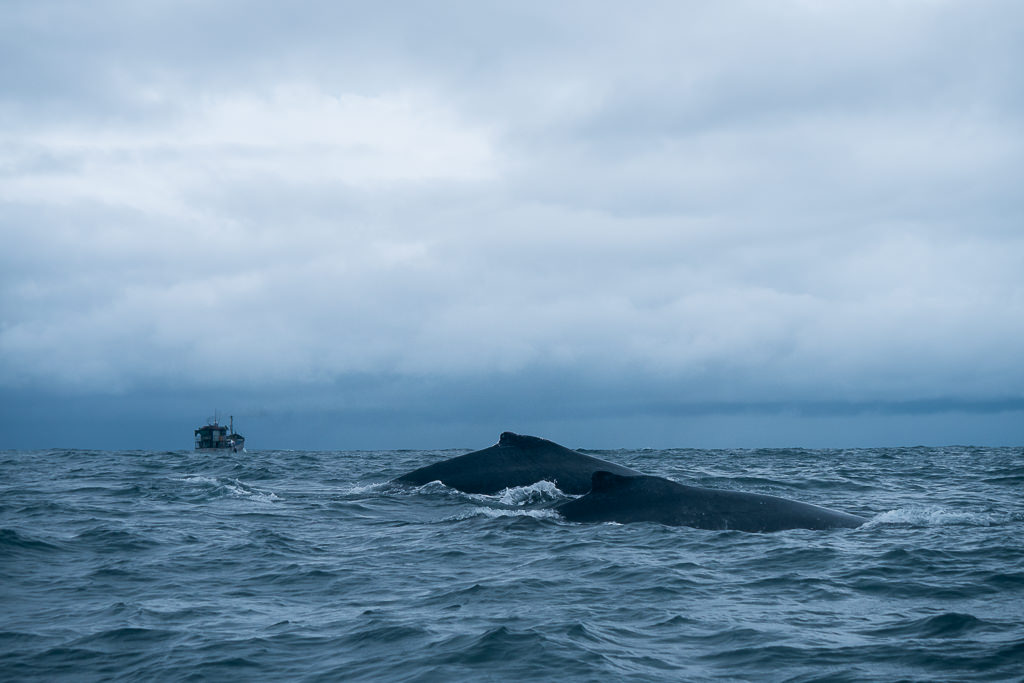
Don’t worry if the weather is poor during your whale-watching day. Rain and waves actually increase your chances of seeing whales breaching, as they are known to be more playful than on calm sunny days.
Watch my travel vlog for a visual impression:
Visit Utría National Park
The next best things to do is to hop around Utría National Park. This has to be done by boat, though there is also a walkway section in the mangroves where you can do a small hike.
I’ve been to some nature parks where you know that theoretically there are animals around but you don’t actually see them.
Ever seen like dozens of species listed in a guidebook but only counted trees? Well, that’s not the case here.
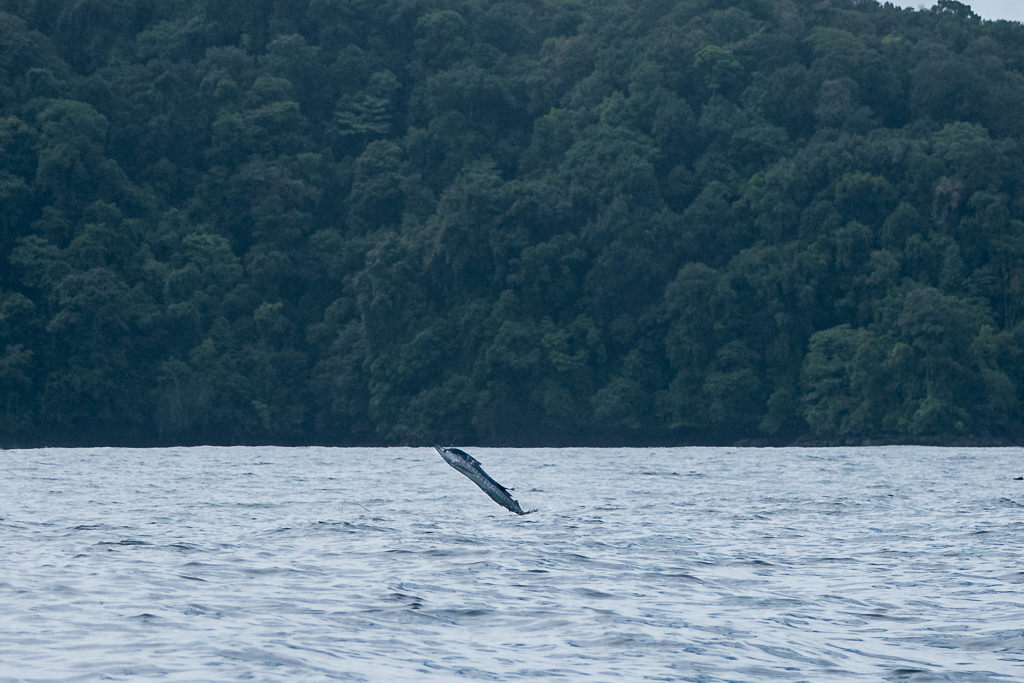
Approaching the Utría National Park, I saw a mobula ray and marlin fish jump right out of the water. A sea turtle also poked its head up over the surface.
On a deserted beach inside the park, there were monkeys swinging from the trees, and hermit crabs scattering in all directions as you walk along the sand. Then an eagle even casually landed on a tree branch just beside where I was sitting like it was no big deal.
It’s obvious that you are truly in the middle of wilderness that is very alive.
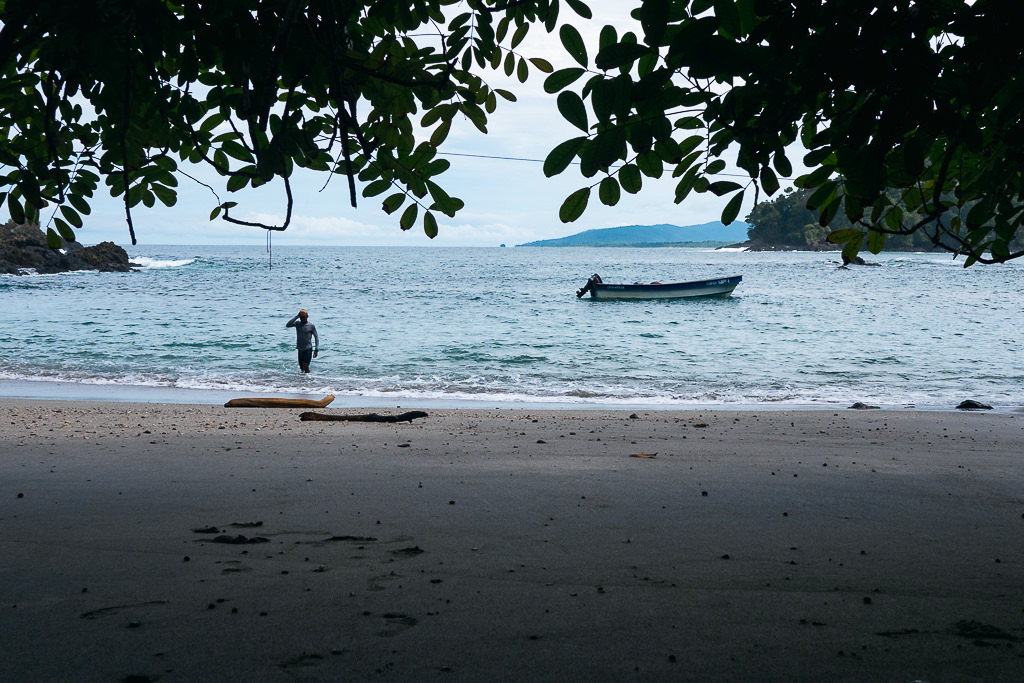


I took a guided boat tour into Utria National Park, which included lunch at Isla Playa Blanca (this is the only building inside the park). On this island, I also saw an iguana hanging in the bushes and some enormous hand-sized butterflies. My guide even took me inside a small cave home to many bats.
It’s incredible how much life there is around you. Besides stopping at various beaches, it’s also possible to venture a little bit inside the mangrove forest within Utria National Park. The entrance fee is 72,000 COP for foreigners (about 20 USD or 17 EUR) though keep in mind this will only give access to a 900-meter-long boardwalk. However, it’s your only chance to go into the interior here a bit.

Hike through the jungles
Outside the borders of Utria National Park and closer to my accommodation in El Valle, there were several possibilities for hiking through the jungle interior. I hiked from Playa Almejal to the waterfall El Tigre, which took around five hours.
It is essential to do this with a qualified guide and to not attempt any independent hiking. The trails are not very clear and it would be easy to get lost on your own. (Most trails that I walked were also not visible on apps like MAPS.me or Organic Maps.) Our guide even had to hack and slash a way through when the high tide forced us to use an improvised path.


The hike was very interesting albeit a little claustrophobic, in a manner of speaking. It took us continuously through dense jungle with virtually no vistas along the way, providing zero context for where we were. After a few hours my mind started to get a bit loopy due to all the jungle looking the same. I began to feel a tinge of Heart of Darkness, until we finally heard the distant clattering of the El Tigre waterfall, our final destination.
While the hiking got a bit repetitive towards the end it was nevertheless a great experience. This was in large part thanks to our guide demonstrating so many interesting things along the way, such as finding edible fruits or sources of water hidden inside plants. We also spotted numerous bright yellow and red poison dart frogs along the way.

Release some baby turtles
For a much lighter activity, you can witness a turtle release in El Valle.
There is a sea turtle conservancy at Playa Almejal and, if you’re lucky, they might just be releasing some newly hatched babies into the ocean during your stay.
I joined in bringing a bucketful of the little fellas to the beach and setting them free. This was exactly as adorable and feel-good as you’d hope for.
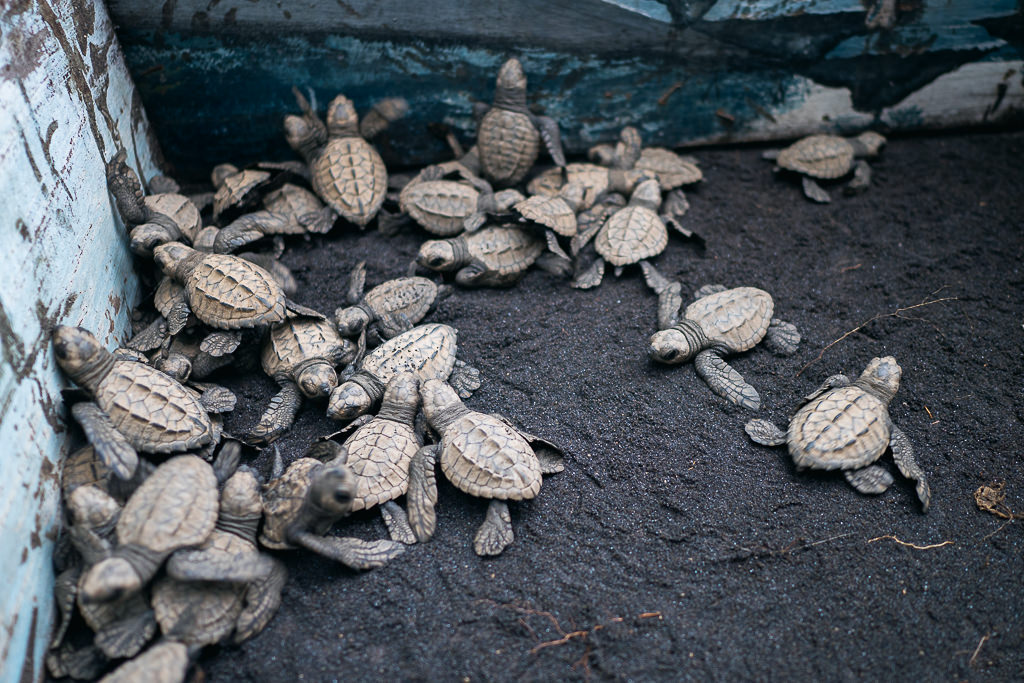
Volunteers collect eggs from the beach at night when they’re dropped, keeping them away from threats such as dogs, human poachers, and birds. Once hatched they take them from their protected pen and release them during the day.
Tourists pay a fee to observe this moment, but you can think of this fee as also being a donation that helps support their efforts. The volunteers check the beaches every day and release the turtles within 24 hours of hatching — and they do this whether there are any tourists around or not.
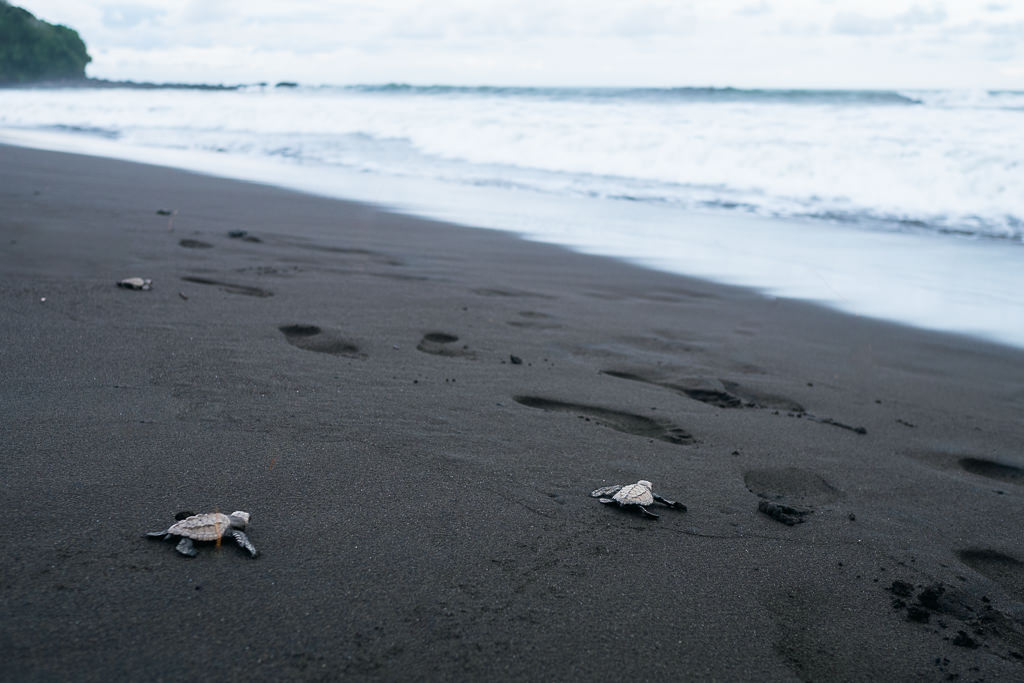
Be sure to inquire locally about any turtle hatching releases. There are also opportunities to join volunteers on their nightly searches for eggs.
Side note on ethics: I’ve had some commenters on YouTube saying that turtle releases are somehow bad. Conservationists say that as long as the turtles aren’t touched and they make their own way through the sand (so they remember the beach), it’s a definite win.
In many parts of Colombia there’s almost a 0% survival rate for eggs due to stray dogs and poaching. While not as perfect as natural hatching, ecotourism seems like a great solution to this problem. Your tourist money will directly help conservation efforts.
Relax on El Almejal beach
If all the activities around Bahia Solano have tired you out, it’s easy to recharge at El Almejal beach. Just to set your expectations: the sea is quite rough with waves and there’s a great amount of driftwood that washes up here, though the beaches are generally clean of plastics and such.
It’s a surfing spot as well, so you can rent a board and ride the waves with absolutely no competition for space.

There is one restaurant on El Almejal offering set meals for lunch. While more expensive than in the Colombian interior, they are still a fantastic deal. For 25,000 pesos (about $6.50) you can get yourself a big tuna steak, salad, coconut rice, patacones, fresh lemonade, and yam soup. Not bad!
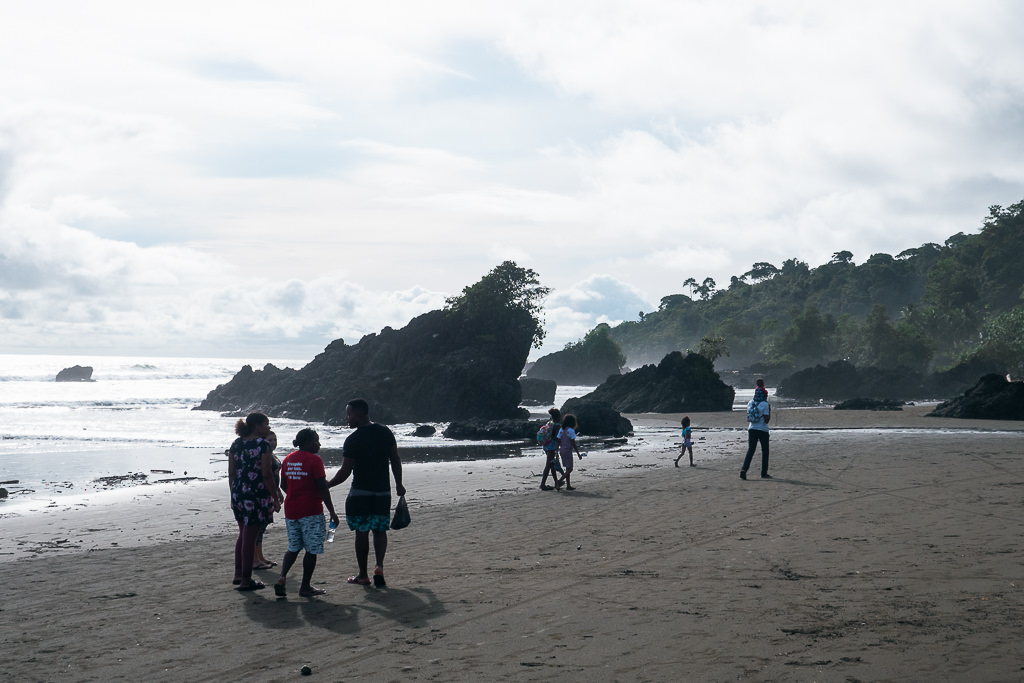
The town of El Valle is fun to stroll around as well, with a few local restaurants, and no doubt some cumbia or vallenato music with accordion emanating from some of the houses. There are many Afro-Colombian communities around the coast and it’s great just catching a bit of the atmosphere around here.
How to get there
As amazing as the Pacific Coast is, due to being rather unconnected to the rest of Colombia, it does take a bit of extra effort to get here. While flying is quick and easy, it does add to your travel budget.
The following info is the same for Bahia Solano or Nuqui.
By road vehicle
This is not possible. The furthest you can get overland is the town of Quibó. From there it’s still about 100km to the coast as the toucan flies. Unless your vehicle can plow itself through endlessly thick jungle, Quibó would be your final overland stop.
By boat
It is possible to go by boat. However, some travellers who did it didn’t seem so thrilled about the 10+ hours in a very rocky speedboat they had to endure. You’ll also have to go via the port of Buenaventura, which has a relatively poor safety reputation.
There is also a weekly cargo boat from Buenaventura which takes 24 hours and which could perhaps offer an interesting adventure to the intrepid traveler. The price is about 150,000 pesos including food.
By plane
This is the easiest and best way. Two companies serve the airstrips on the coast with a small number of propeller planes: Satena and Clic Air (formerly EasyFly). Flights depart exclusively from Medellin.
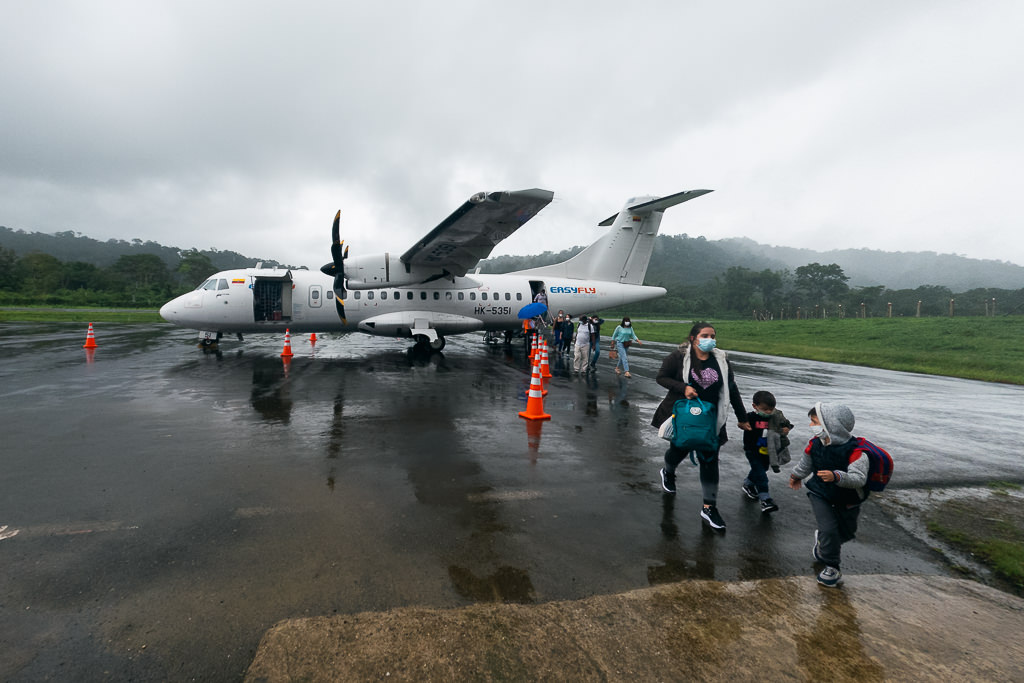
Note that flights depart from Medellin’s smaller airport (Olaya Herrera) which is inside the city and not from its swanky new big one (José Maria Córdova Airport).
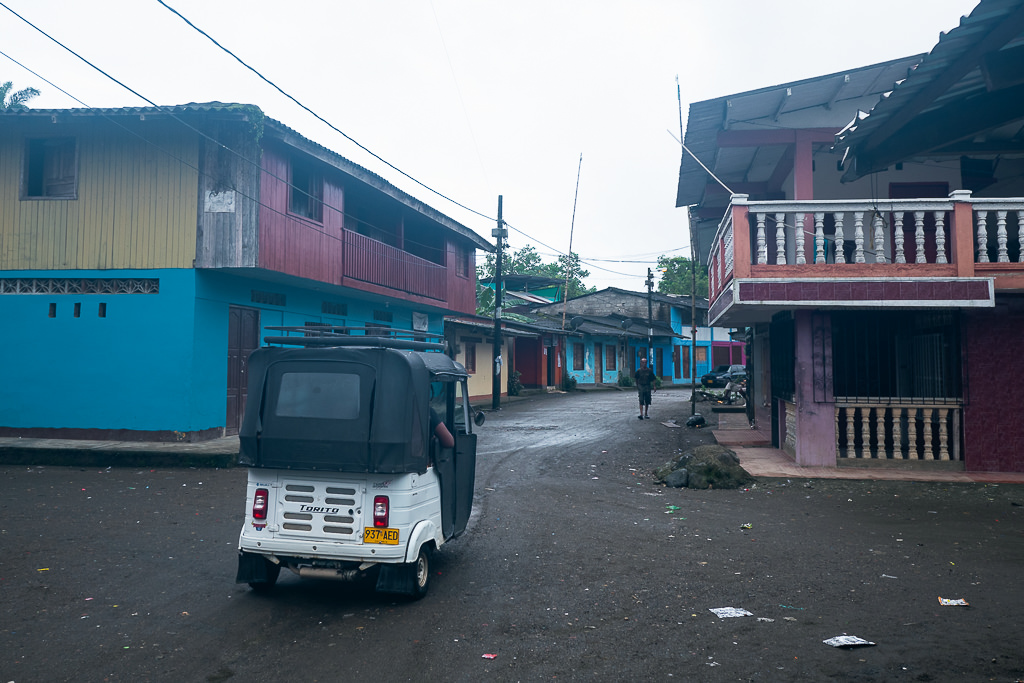
The flight took just under an hour. From there I caught a pickup truck to El Valle beach, which is about a 45 minutes’ drive south. Don’t worry about how to get to your accommodation, as there will be plenty of tuk-tuk and minibus drivers waiting for passengers as you exit the airport.
There are no ATMs in Bahia Solano or Nuqui so bring all the cash you need!
Tip: How to book Clic Air flights
Satena flights are the easiest to book online because its website accepts international credit cards. Clic Air (formerly EasyFly… before getting sued by EasyJet!) only accepts Colombian cards. Luckily there is a workaround, which I haven’t seen mentioned on other blogs.
I was still able to book an Clic flight by contacting the company directly through WhatsApp. They were able to send me a special link where I could still pay using my European credit card. This manual booking process took almost an hour, so it wasn’t ideal, but since Clic was my only option on my dates, I was grateful to still get my ticket this way.
How many days
If you go during whale season and you’re excited by what I’ve written here, make sure your stay isn’t too short.
I had 4 nights booked, but if I’d had been able to move the date of my return flight, I may well have extended it. I think 4 nights or more is a good minimum recommendation — and definitely not any less than 3 nights.
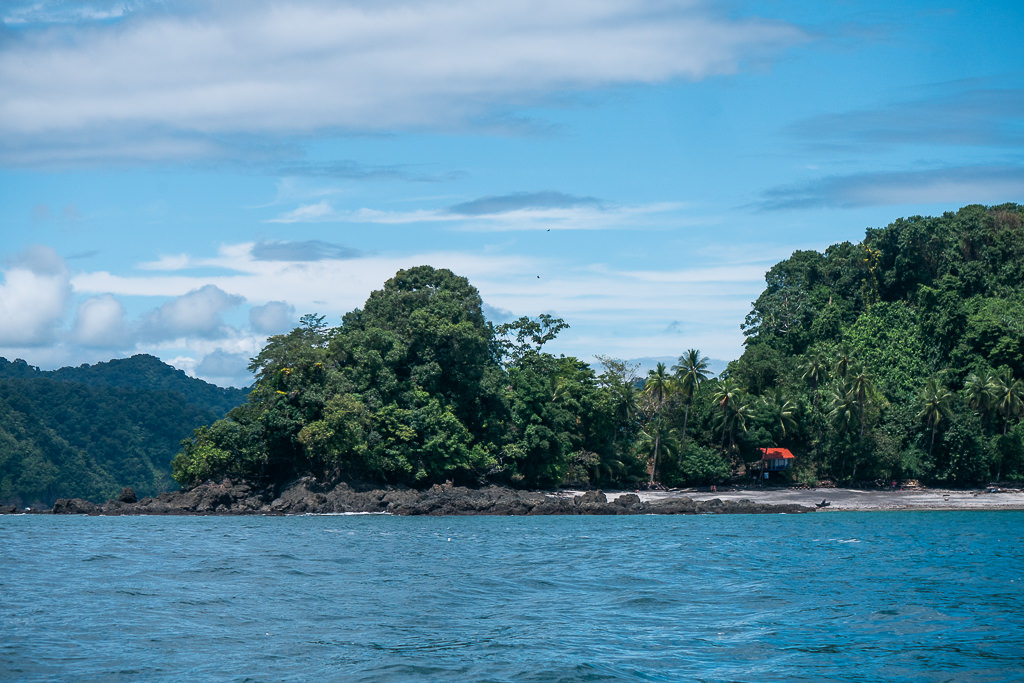
Every day was filled with new activities and by the time I left, I hadn’t quite done everything yet. If you also want to spend some extra time wandering the beaches or if you surf, then it’s worth allocating a few extra days — if you’re a slow traveler and have the time of course. A place this wild and unspoiled is quite a rare treat so it’s nice to savour it.
The best time to go
The best time to go to Bahia Solano is when the whales are also there, which is from June to November. They may not quite have arrived by June yet though, so if you want to be more sure of whales, aim for at least mid-July.
Outside of whale season, I’d say it’ll still be worth visiting. Of course, it will miss the most spectacular element, but there are still many things to experience besides the whales.
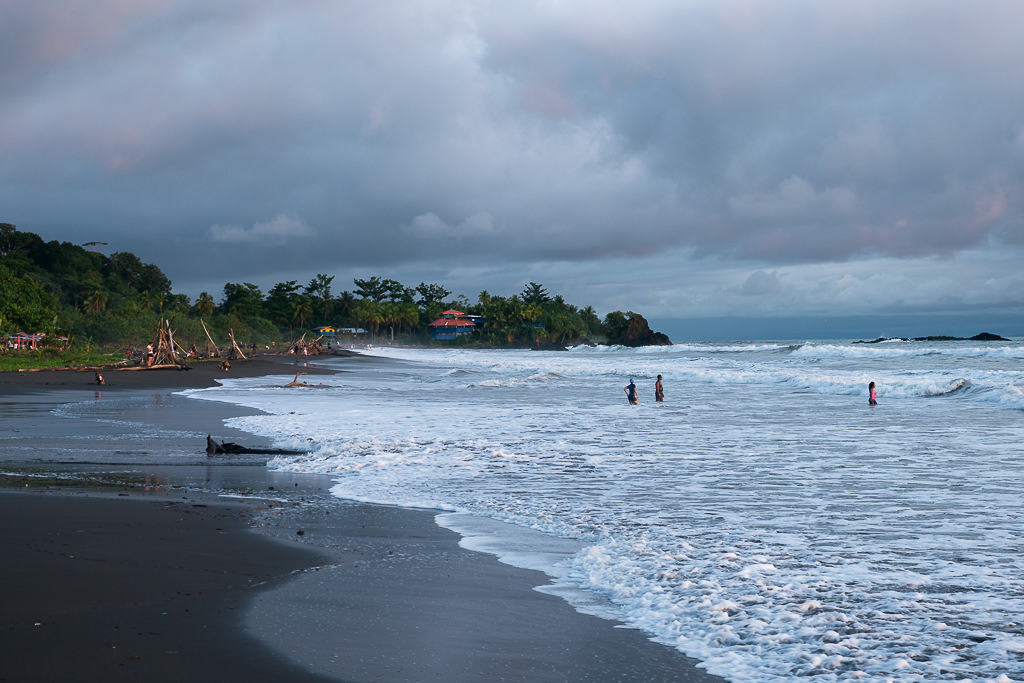
As far as the weather goes, it doesn’t really seem to matter when you go. Choco receives some of the most precipitation in the world and there isn’t a truly dry season. Relatively speaking, it is quite a bit drier and clearer from January to March, though even during this time there is a 60% average daily chance of precipitation.
While I spoke a lot of about the rainy weather in the intro, the reality is that most of the time it’s just cloudy. Tropical rainstorms are often intense but pass quickly. I often swam in the sea even when it wasn’t super sunny — the warm waters still made this perfectly comfortable.
In any case, it’s such an amazing place you won’t even care about the weather. The water and air temperature are fortunately quite warm, making it a lot less annoying to deal with a little rainfall. Just be sure to pack a poncho and a rain cover for your daypack if you’re going to be hiking.
Inspired to read about more hidden gems in Colombia? Then don’t miss my guide to town hopping through Colombia’s coffee region, which connects perfectly to Medellin.
Note: I travelled in 2022 and fully updated and expanded this guide in 2026 with fresh research, added context, and updated prices. You can read more about our approach to updating here.