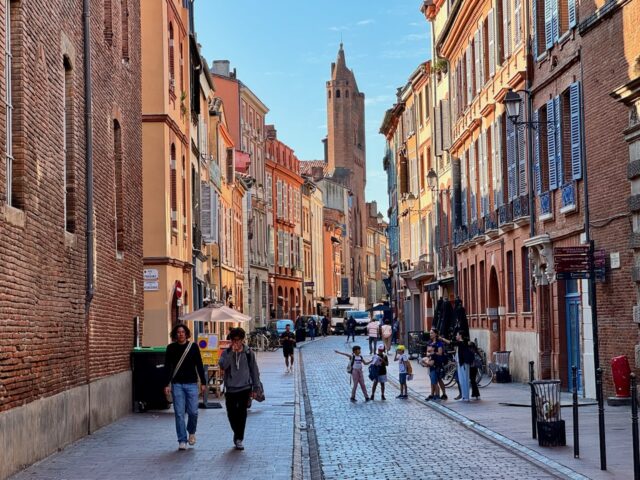
Toulouse is a city in the Occitanie region of southern France. Known as ‘La Ville Rose’ or the ‘Pink City’ due to its terracotta-brick façades, Toulouse is a historic city with several UNESCO World Heritage sites, an atmospheric old town with charming streets and delightful squares, interesting museums and a vibrant culinary scene. I’ve visited Toulouse several times and it’s always a treat to stroll through its colourful quartiers (quarters) such as the old town (Le Vieux), St. Etienne and La Daurade. It’s a compact city, making it easy to explore on foot. Based on my trips, I’ve created a list of top things to see in Toulouse, as well as a self-guided walking tour through the Toulouse old town and adjacent quarters.

A brief history of Toulouse
Toulouse has a history spanning more than 2,000 years, beginning as a Celtic settlement. It then became the Roman city of Tolosa, an important trading hub between the Mediterranean and the Atlantic. After the fall of Rome, it passed through Visigothic and Frankish control. It rose to prominence in the Middle Ages as the capital of the powerful County of Toulouse, known for its culture, learning and use of the Occitan language. Toulouse later flourished during the Renaissance, aided by trade and the establishment of one of Europe’s oldest universities in 1229. The construction of the Canal du Midi in the 17th century strengthened its commercial importance, and in the 20th century Toulouse reinvented itself as a major centre of aviation and aerospace.
Best times to visit Toulouse
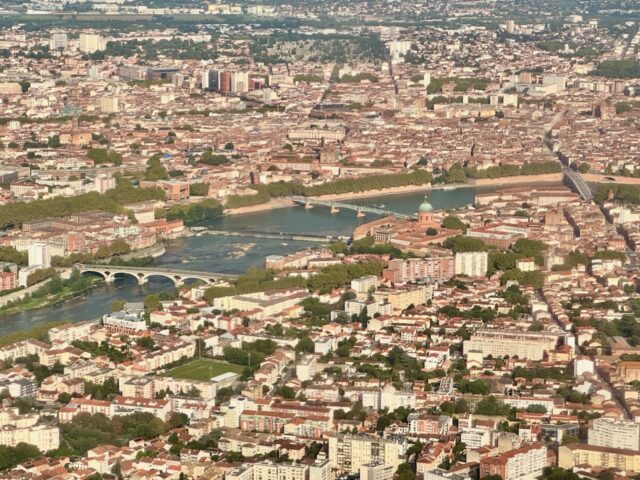
I personally recommend spring and early autumn. The weather is pleasant and there are fewer crowds. In addition, the softer light during these seasons makes strolling through its colourful streets a joyful experience. All the photos in this Toulouse guide were taken in late-September.
Toulouse is an absolutely delightful city to visit. I recommend spending at least two days there to appreciate its beauty, history and culture. In addition to the attractions in the city, there are also many places of interest in the Occitanie region. Toulouse is also the starting point of my curated South of France road trip route to Marseille.
I’ve pinned the top attractions in Toulouse (city centre) on the map above and included two walking routes which can be done in 2-3 days. Below, you’ll find a list of the highlights of Toulouse as well as other places of interest, the sequence of which roughly follows the walking routes above. Feel free to follow the walking routes but I recommend straying off the route ever so often as there really is a lot to discover in this wonderful city!
Place du Capitole
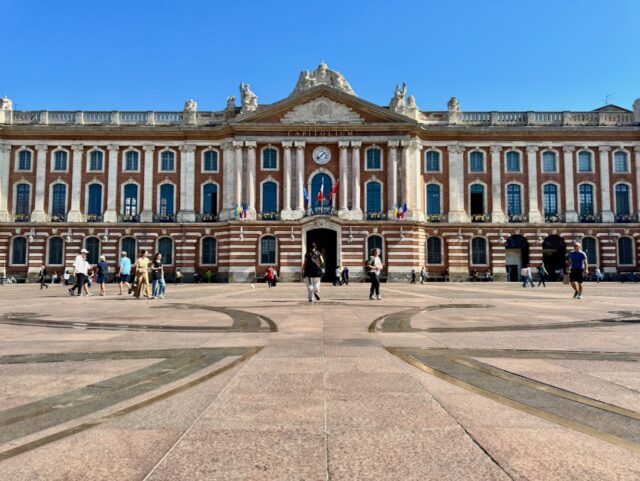
The heart of the city, the expansive Place du Capitole is a grand square that’s home to the City Hall and the National Opera. It’s a vibrant square lined by numerous cafés, restaurants, hotels and shops. Both the walking routes above start and end at this impressive square.
Around Place du Capitole
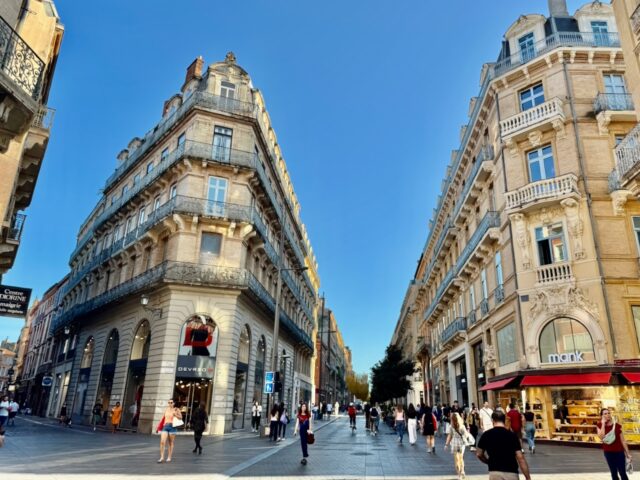
The area stretching west and south of Place du Capitole, bounded by the Garonne River and Rue de Metz, is commonly known as Le Vieux quarter, or the Old Town. Characterised by wide avenues (many of them pedestrian-only), vibrant squares and charming, narrow lanes, the district is lined with buildings in warm shades of terracotta and beige, accented by colourful shutters and elegant wrought-iron balconies. This is the main shopping district in the city, with a broad range of outlets, from department stores to independent boutiques.
Behind the Capitole building lies Charles de Gaulle square, a mini park overlooked by the 16th century Donjon (Keep). This lively park is the venue for artistic performances and markets.
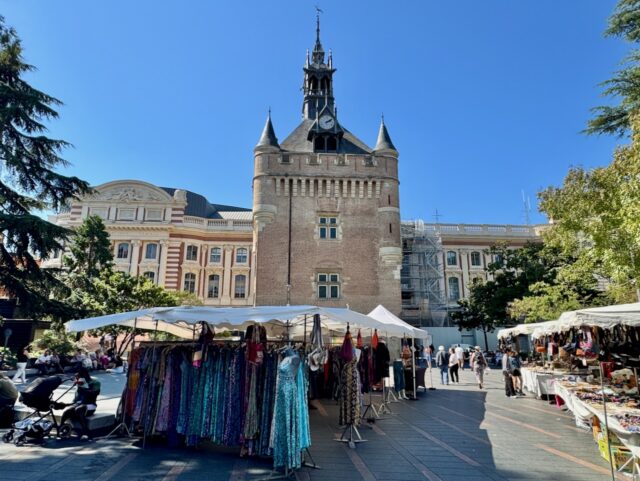
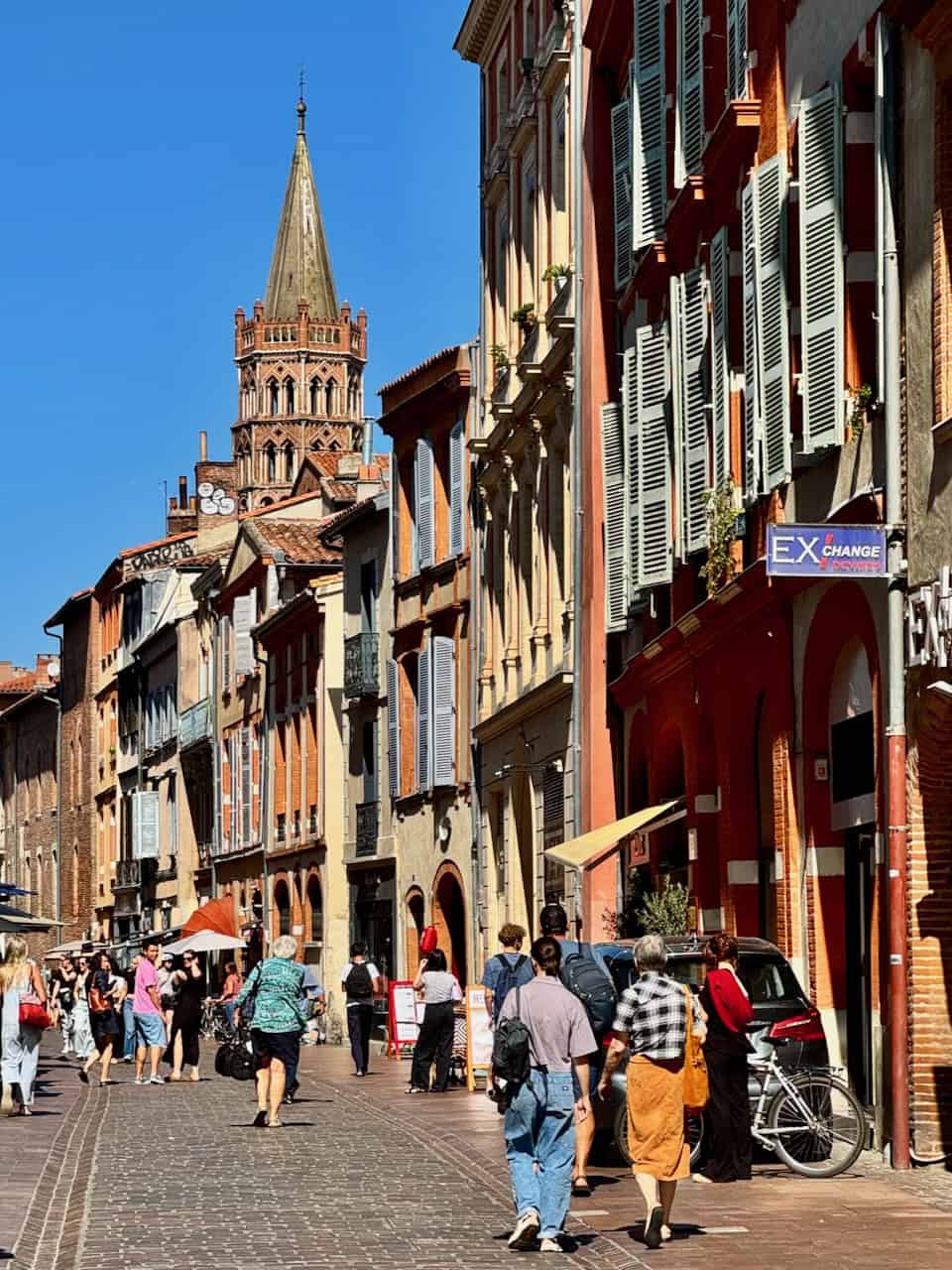
From Place du Capitole, streets fan out in different directions. Two streets I particularly love are Rue Saint-Rome, an atmospheric shopping street that stems from the Middle Ages, and Rue du Taur, a colourful street that leads up to Basilique Saint-Sernin.
Victor-Hugo
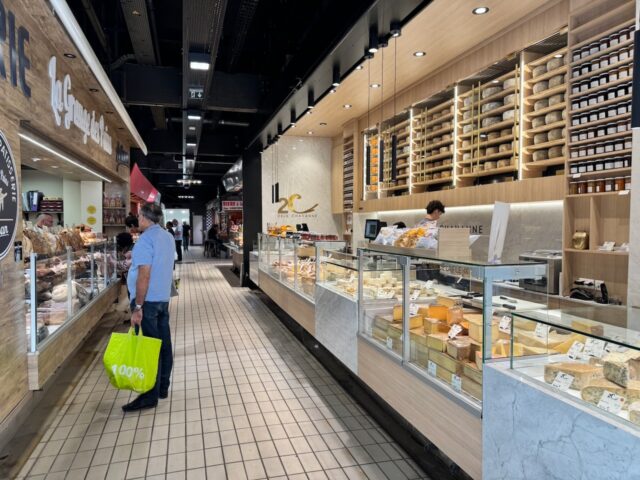
This busy quarter lies a short walk northeast of Place du Capitole. It’s packed with a plethora of cafés, restaurants, shops and hotels, and attracts crowds all day long. The focal point of this quarter is arguably Marché Victor-Hugo, a historic covered market with a wide range of stalls and eateries.
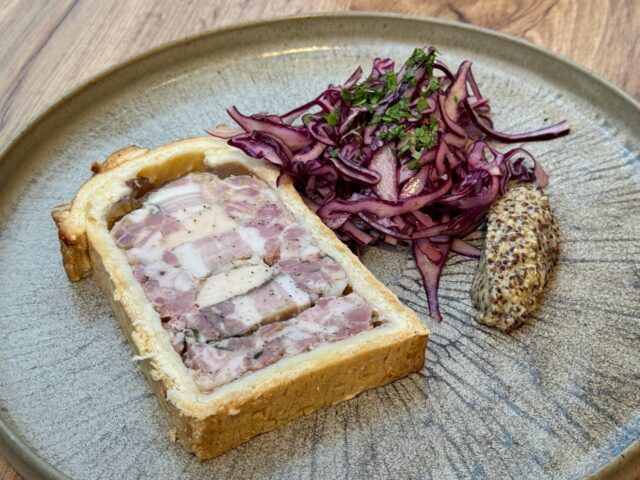
Victor-Hugo is a popular spot for nightlife. Place du President Thomas Wilson (or simply ‘Wilson’) and the surrounding streets are packed with bars and cafés. Restaurants I can recommend in this quarter include Chez Nòu and Chez Poupette (opposite the market).
Basilique Saint-Sernin
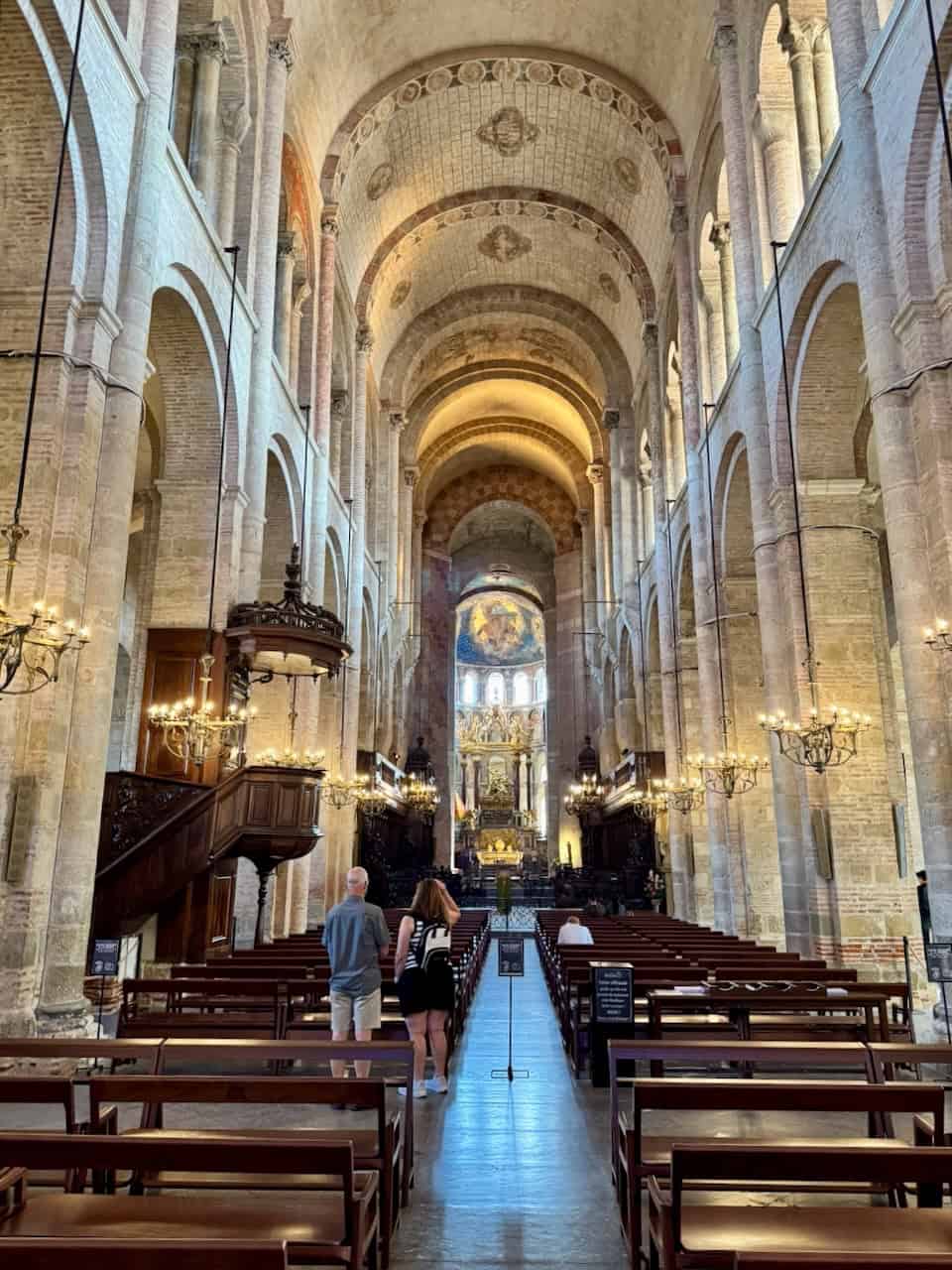
A UNESCO World Heritage site, Basilique Saint-Sernin is one of the largest and most significant Romanesque churches in Europe.
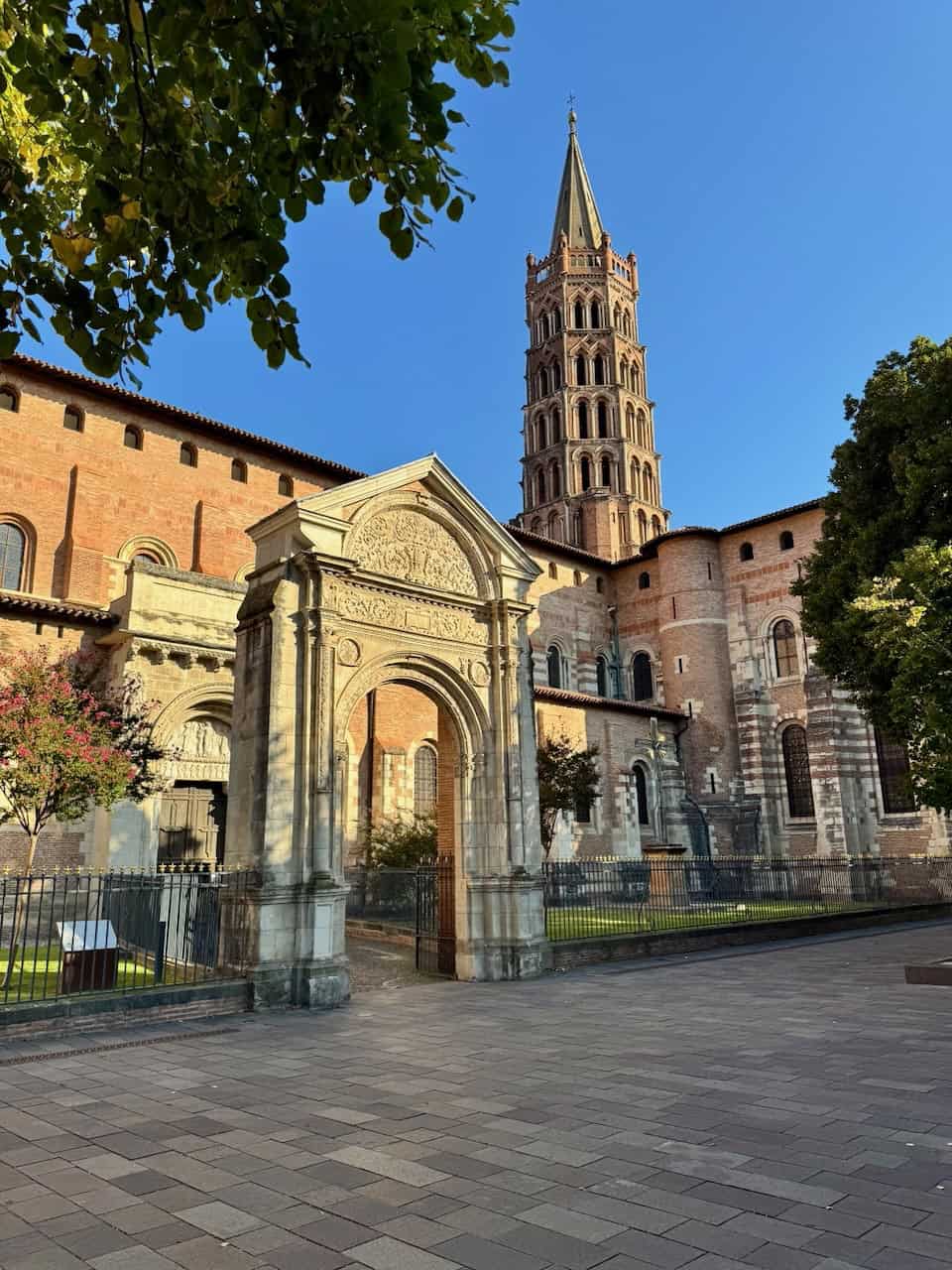
Constructed between the 11th and 13th centuries, it was an important stop on the pilgrimage route to Santiago de Compostela. The basilica is particularly famed for its Romanesque architecture and stone carvings, such as its gorgeous bell-tower (which reminds me of a Chinese pagoda) and the beautiful, 12th century, Miègeville door. Inside, you’ll find a soaring nave and elegant apse, as well as intricate stone carvings and colourful frescoes.
Around Basilique Saint-Sernin
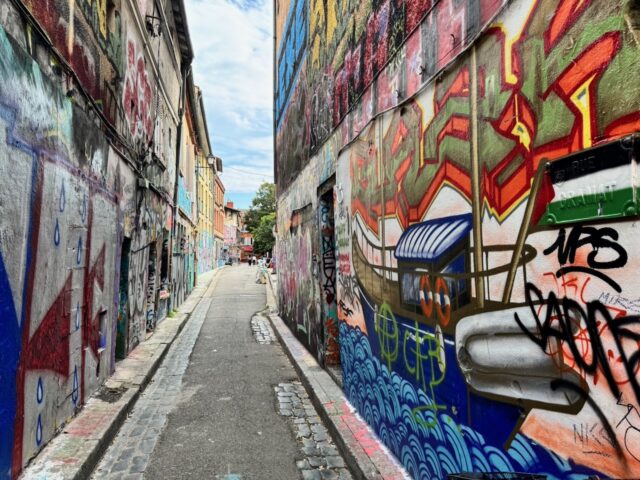
If you have time, I recommend exploring the area around the basilica. A short stroll away, in Rue Gramat, you’ll find a street full of colourful graffiti. The nearby Musée Saint-Raymond is a fascinating archaeological museum with artifacts through the early Middle Ages, including local Celtic and Roman pieces.
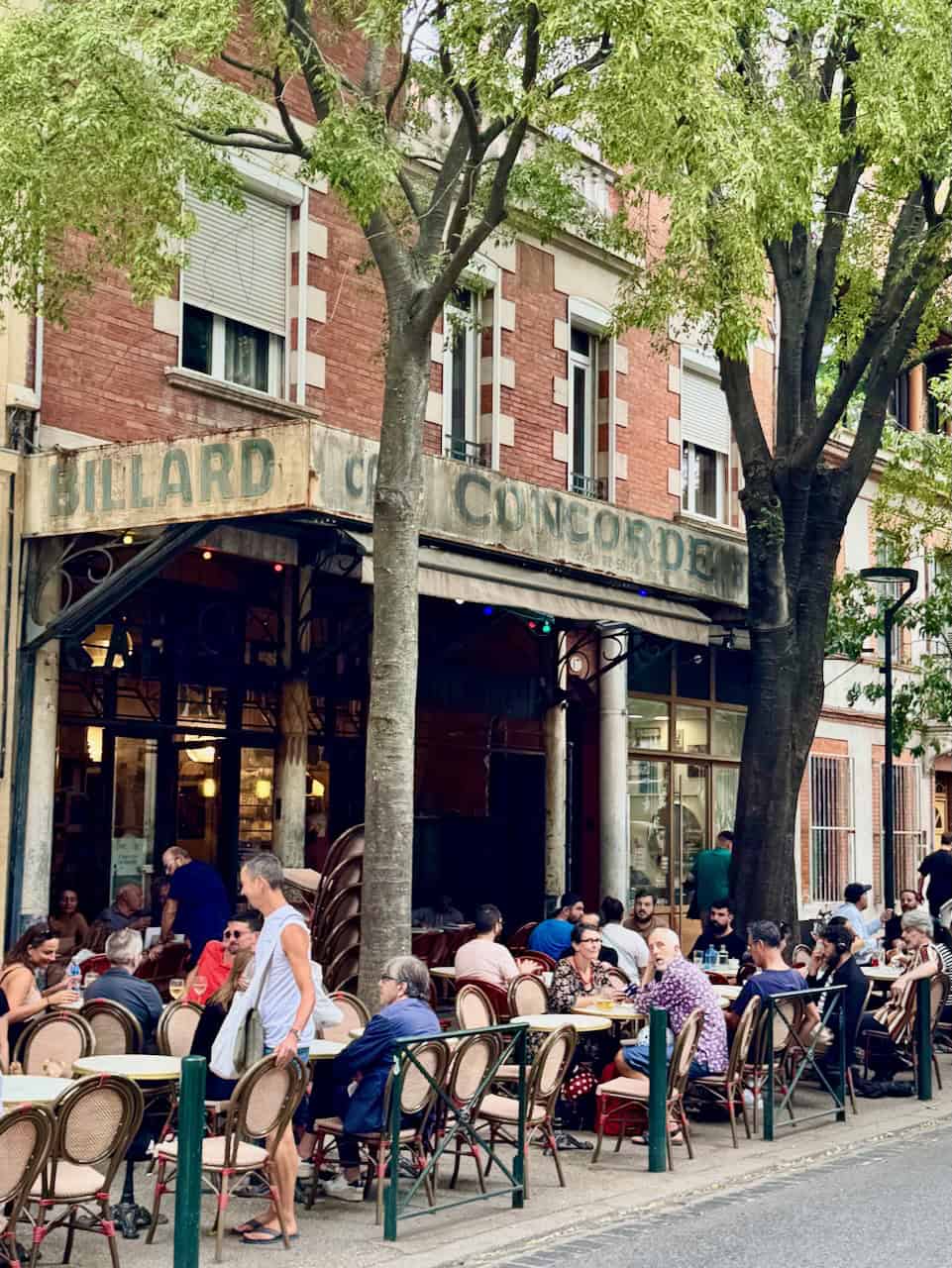
Northeast of here lies the tranquil Les Chalets neighbourhood. You’ll find elegant villas along Rue des Chalet, and Toulousaines (low-rise houses in the local style) in the vicinity of Rue de la Concorde. Drop by at the lovely Café Concorde, one of the oldest cafés in Toulouse, for a refreshment.
Northwest of Saint-Sernin, you’ll find the beautifully landscaped Jardin Japonais (Japanese Gardens).
Couvent des Jacobins
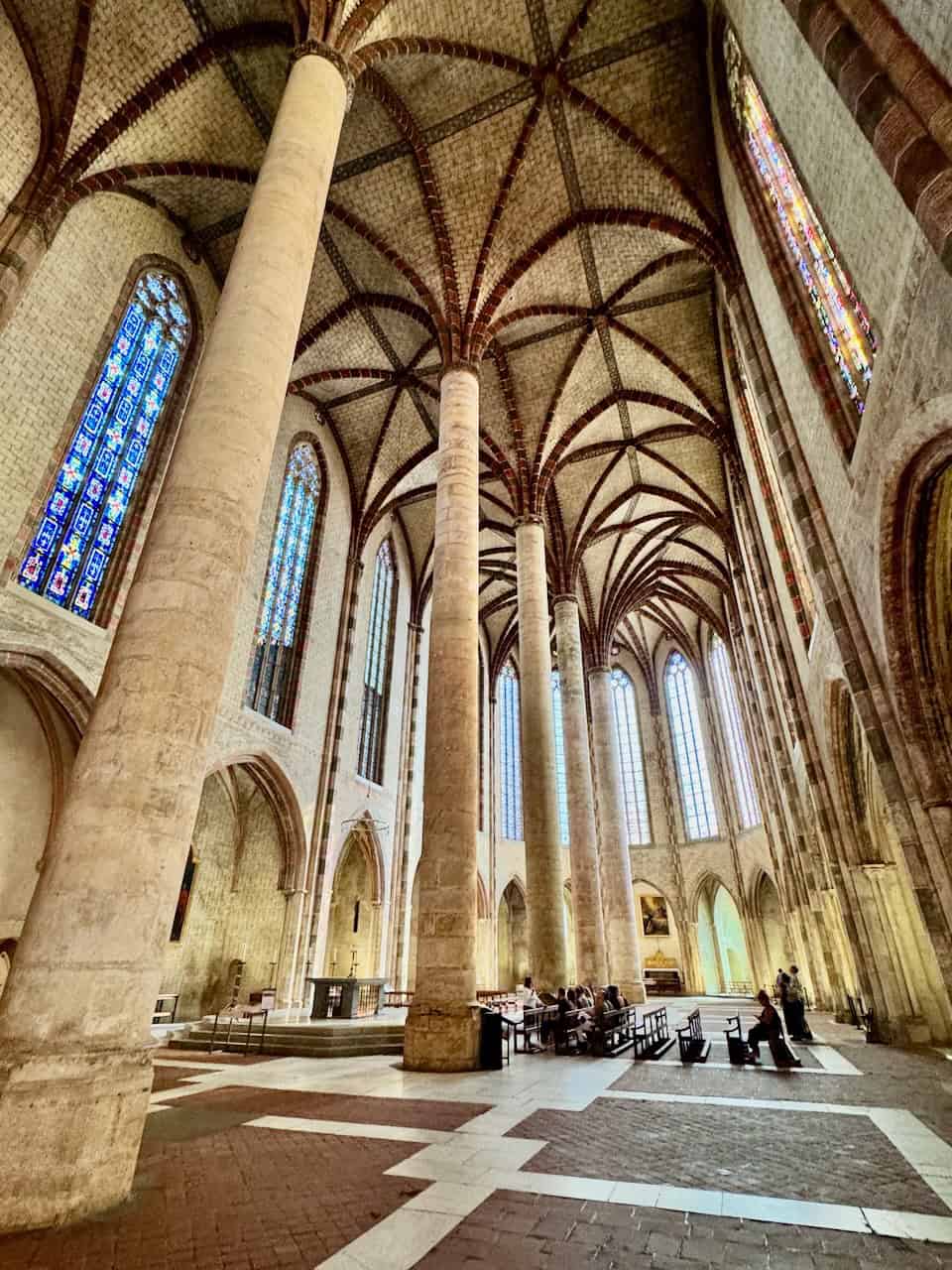
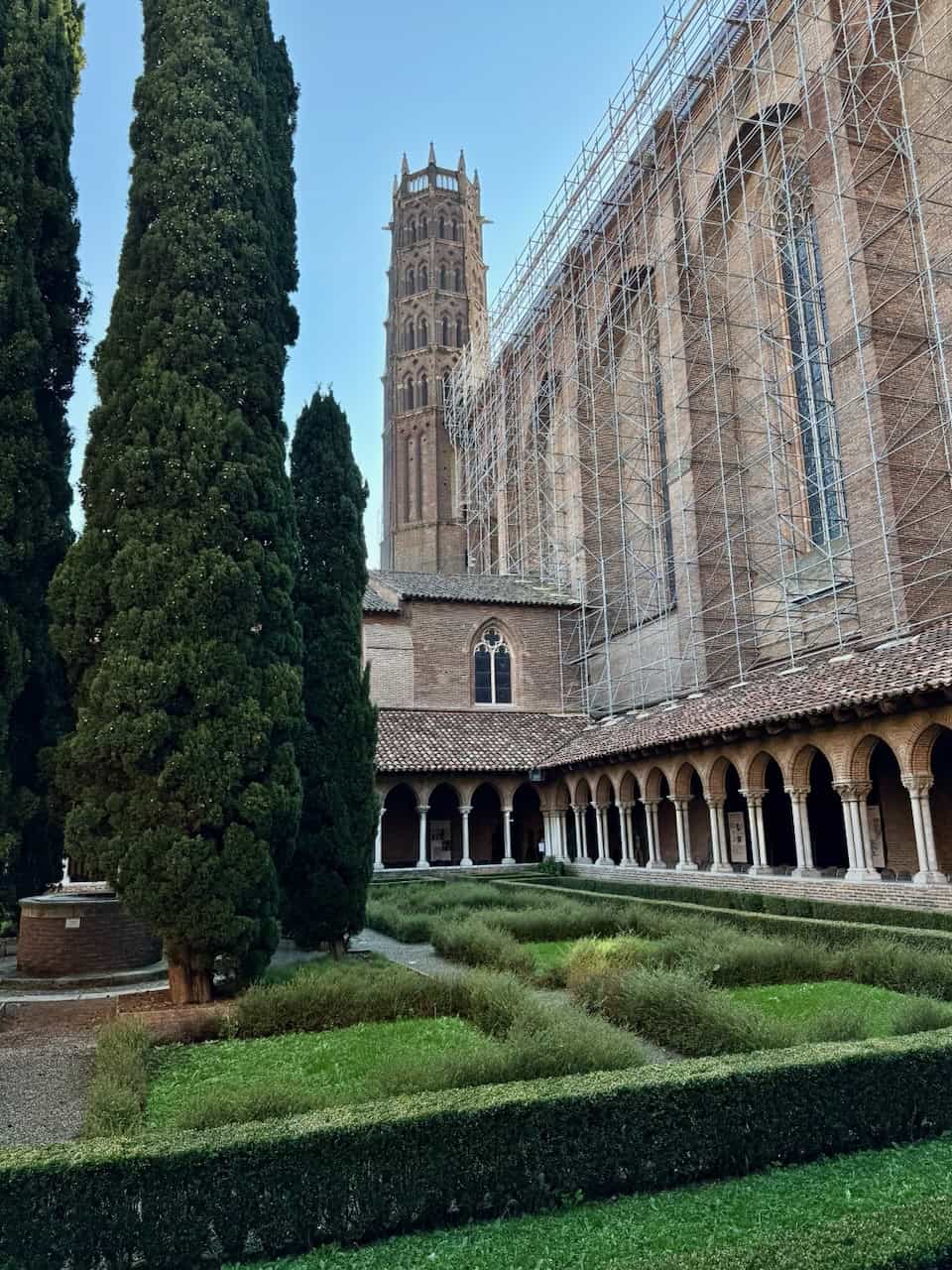
This former (13th century) Dominican convent is a masterpiece of southern Gothic architecture. Look up to see its awe-inspiring rib-vaulted nave that resembles a palm tree. I also suggest visiting the serene cloisters.
Place/Pont Saint-Pierre
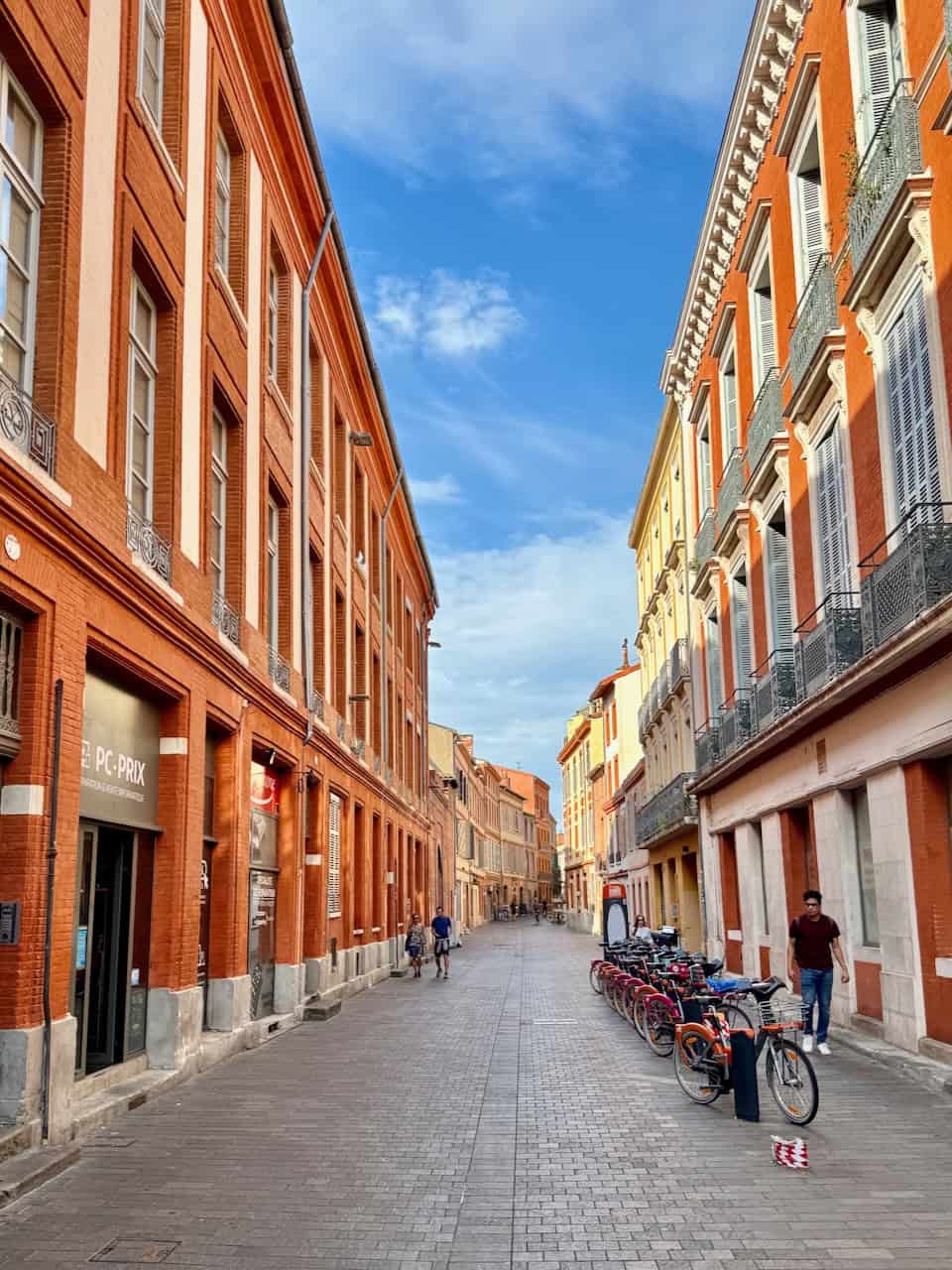
A short walk from Couvent des Jacobins, along Rue Pargaminiéres with its gorgeous terracotta façades, you’ll arrive at Place Saint-Pierre, a shady square that’s the venue of a popular book market (Thursdays and Fridays).
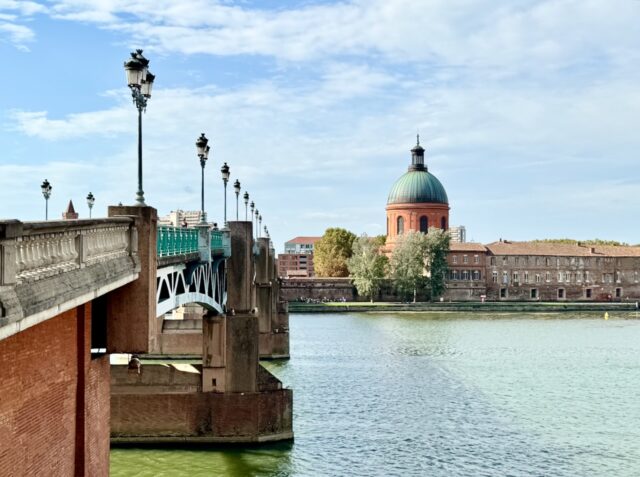
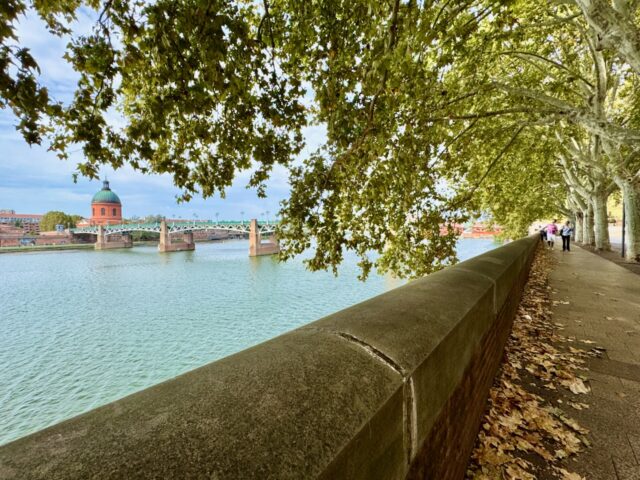
The square is also a great spot for views of the Garonne river and the iconic Pont Saint-Pierre (bridge). From here, you can cross Pont Saint-Pierre to reach the Saint-Cyprien quarter, or stroll along the Garonne promenade to Place de la Daurade.
Saint-Cyprien
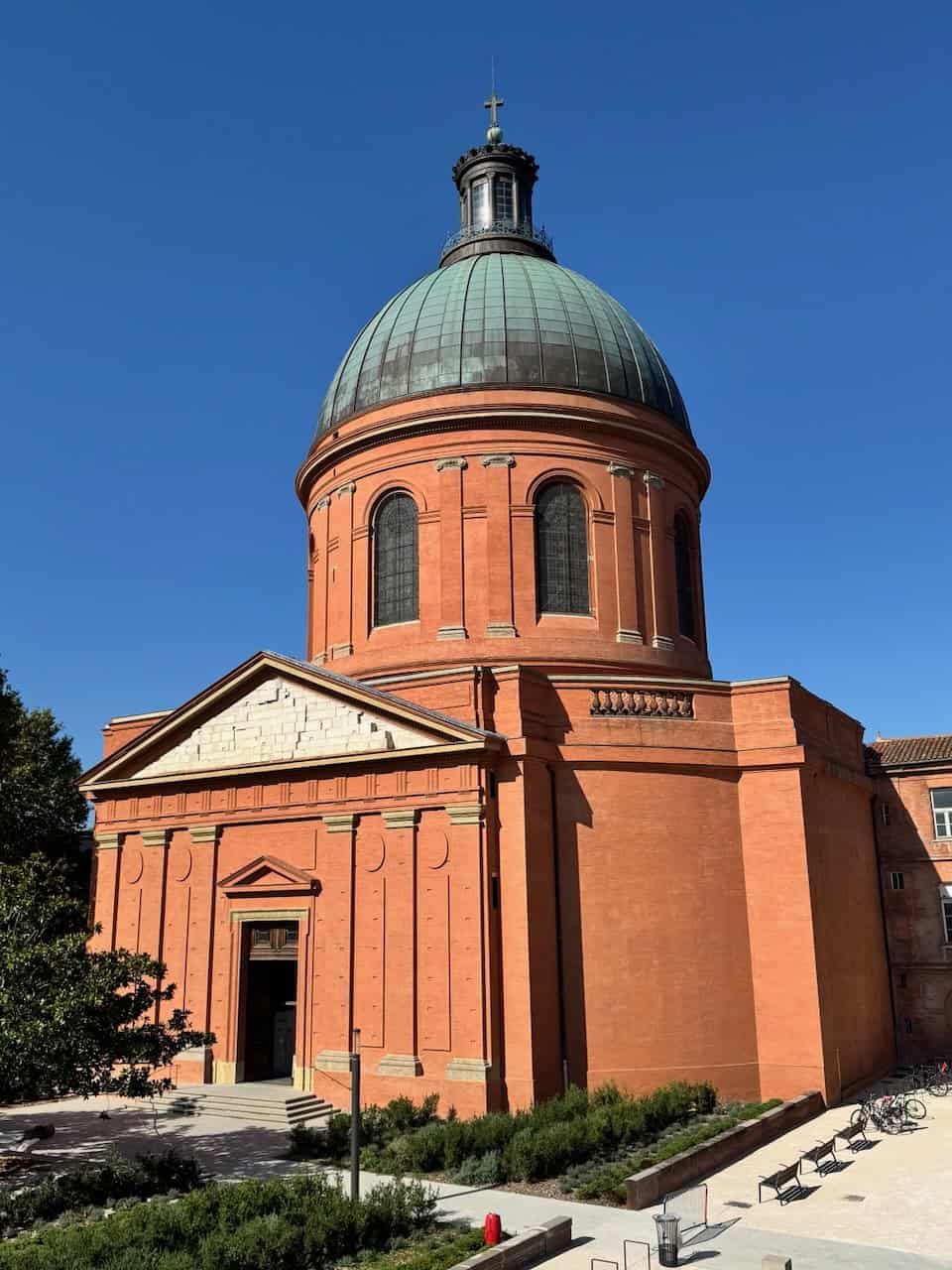
The Saint-Cyprien quarter, located on the left bank of the Garonne, is easily reached by either Pont Saint-Pierre or Pont Neuf. It’s a cosmopolitan neighbourhood with numerous art museums and a vibrant culinary scene. Places of interest include the Chapelle St. Joseph de la Grave (a famous landmark on the banks of the Garonne), Les Abattoirs (a modern art museum) and Hôtel-Dieu St. Jacques (a former hospital with origins in the 12th century; now a UNESCO World Heritage monument). Nearby lies the Prairie des Filtres park. A popular place for picnics and sunset walks, it’s also the venue for numerous summer festivals.
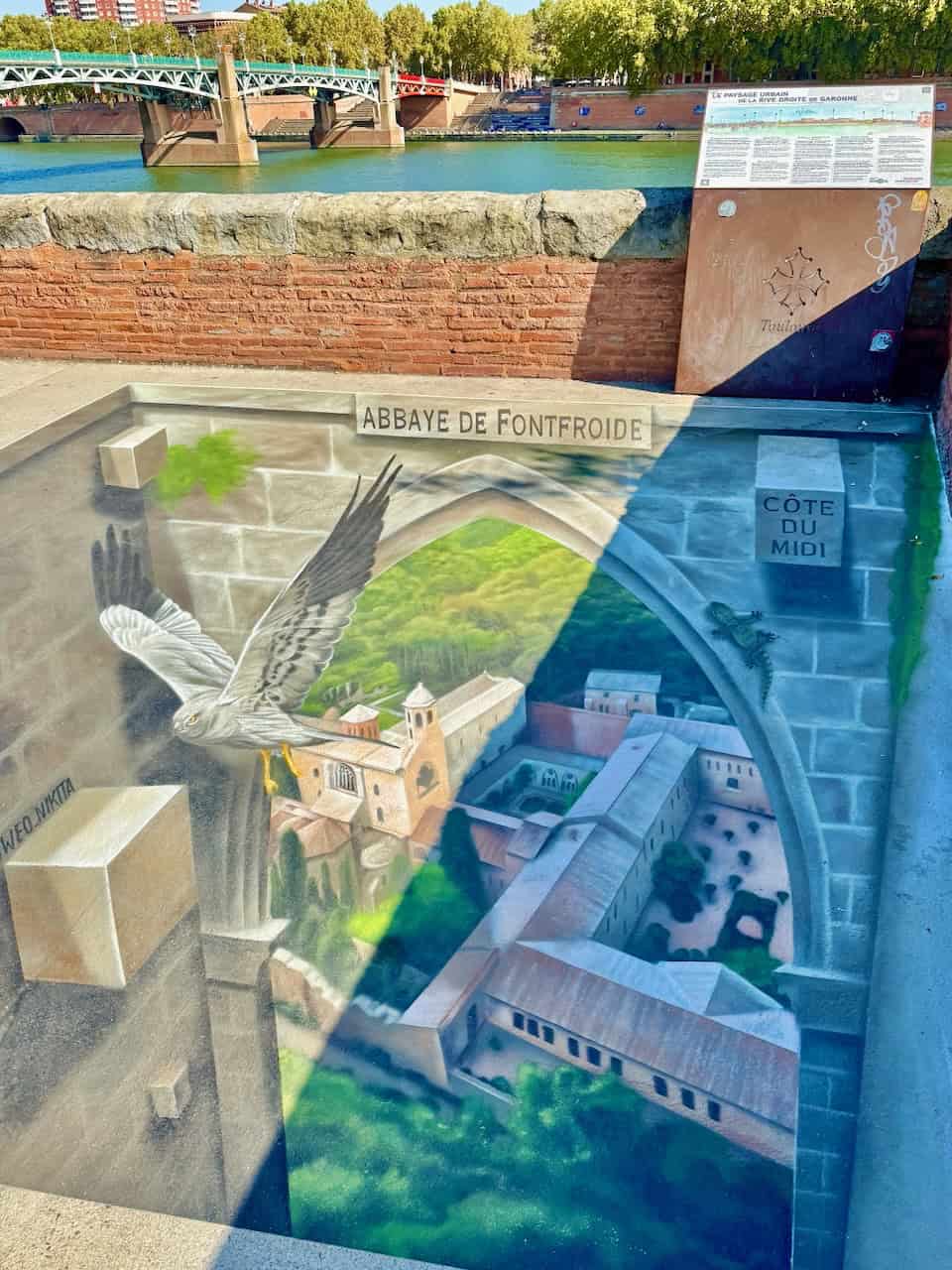
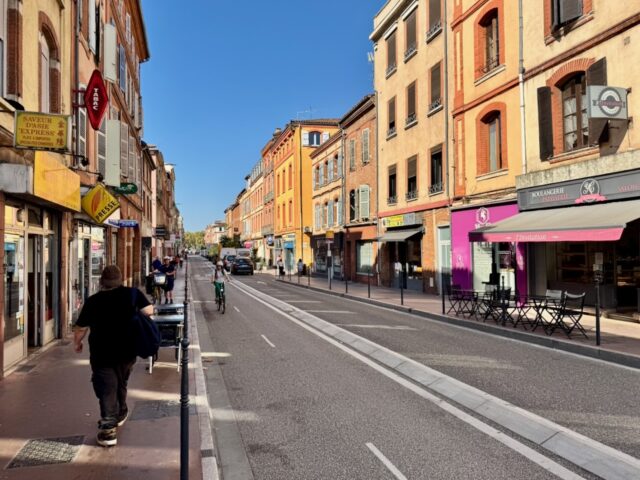
Further west, Place de l’Estrapade and Place du Ravelin are local favourites for their cafés, bistros and restaurants. If you’re in the area, don’t miss a stroll through the photogenic Rue de l’Ouest, with its colourful houses.
Pont Neuf
Pont Neuf, Toulouse’s most famous bridge, dates back to the 17th century and offers beautiful views over the Garonne. It connects the Saint-Cyprien and La Daurade quarters.
La Daurade
One of the most charming parts of Toulouse, the La Daurade quarter – just north of Pont Neuf – is packed with cafés, restaurants, designer boutiques and vintage shops.
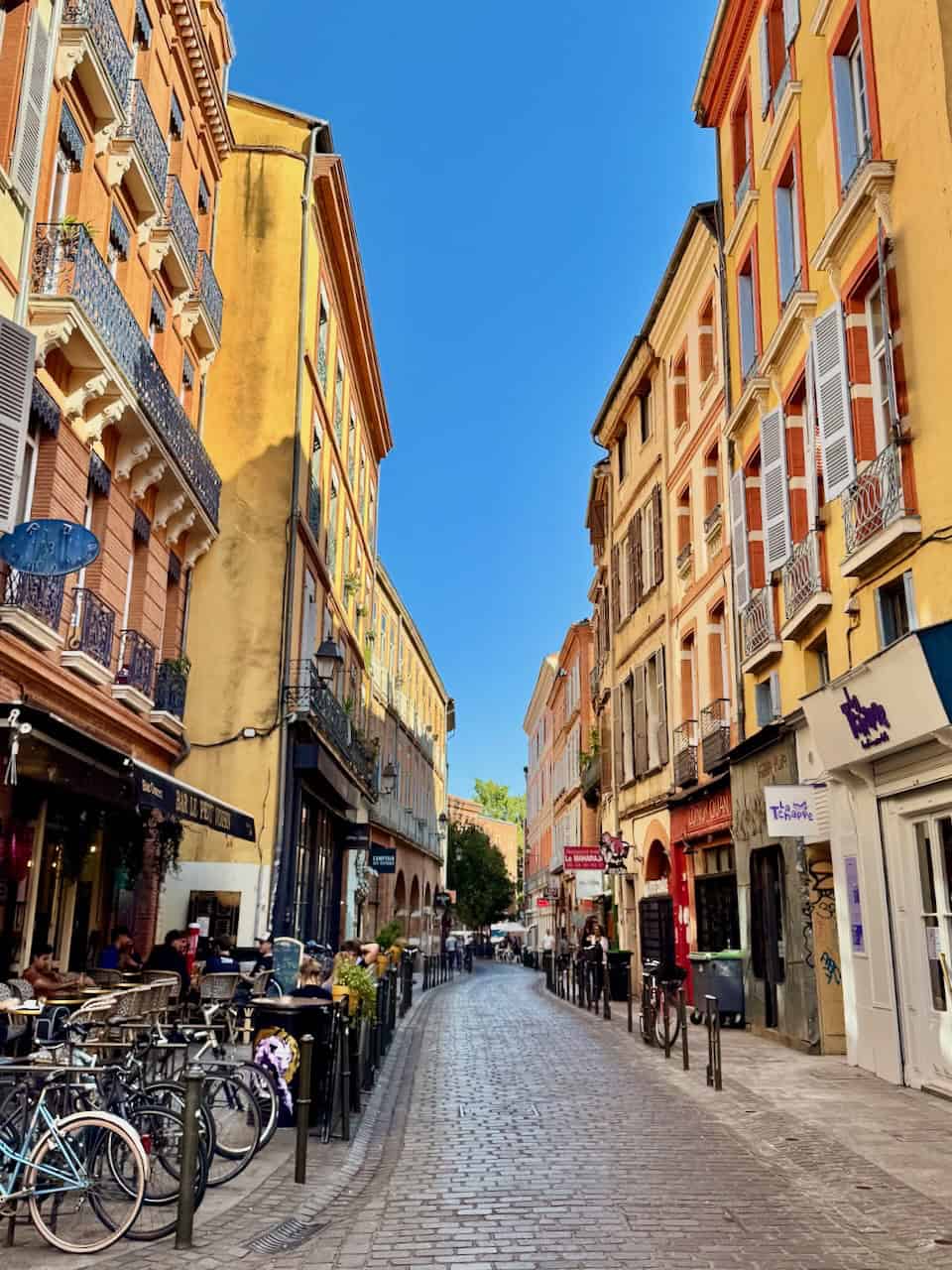
One of my personal highlights in this quarter is the Basilique Notre-Dame de la Daurade. It was established in the 5th century as a pagan temple dedicated to Apollo, then converted into a Benedictine monastery in the 9th century.
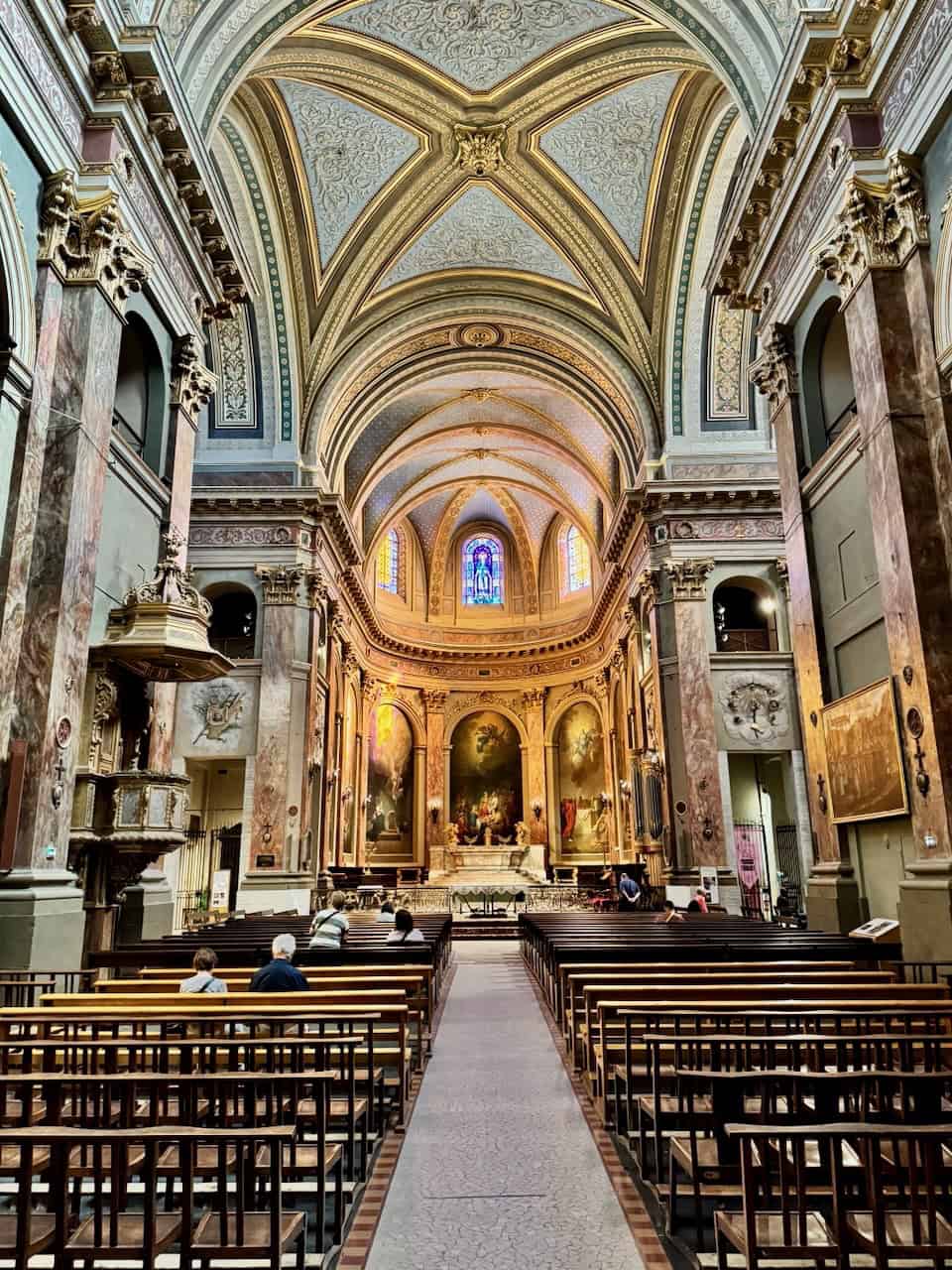
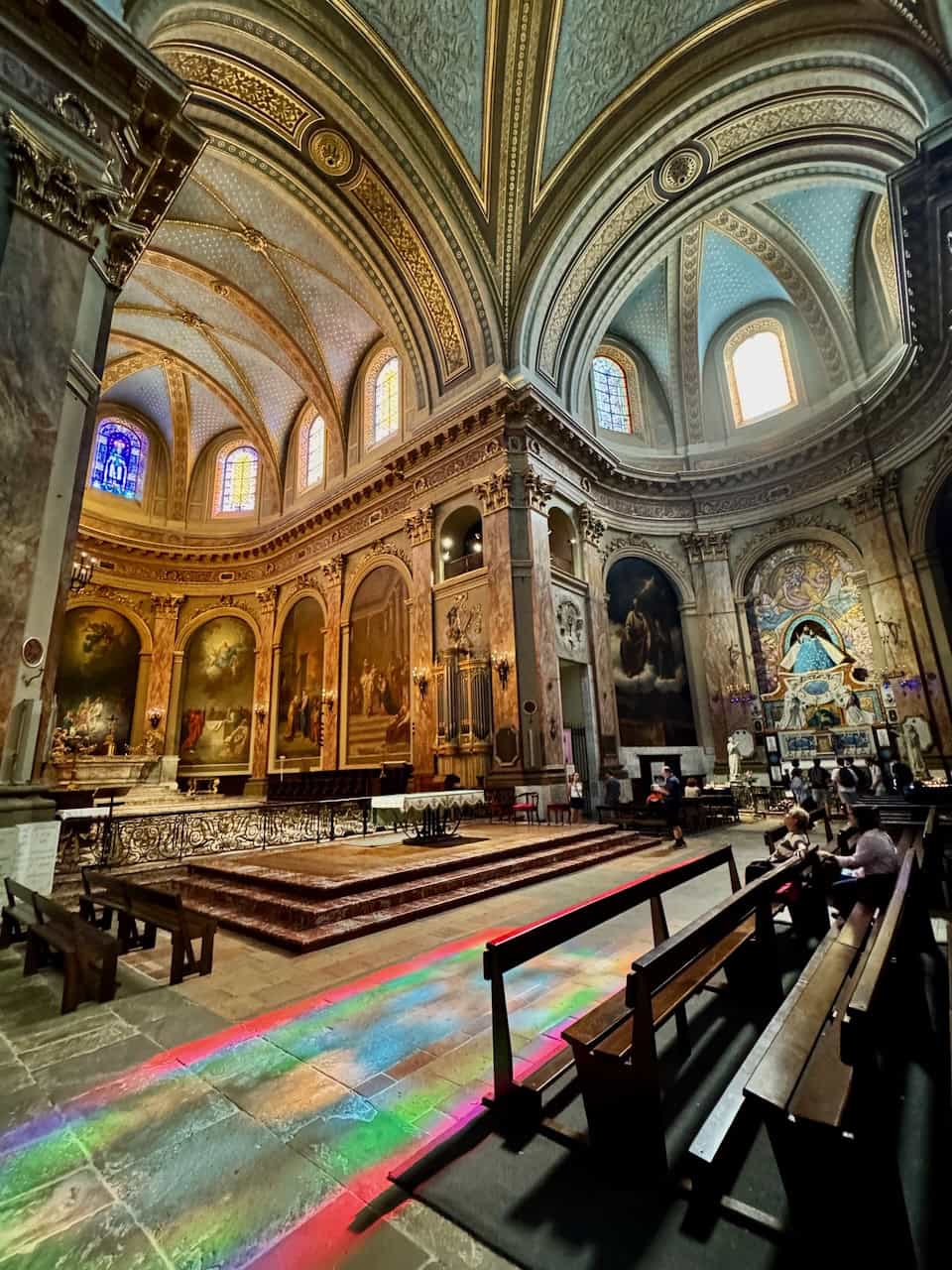
The current structure was built in the 19th century, and houses a copy of the original 15th century Black Madonna shrine.
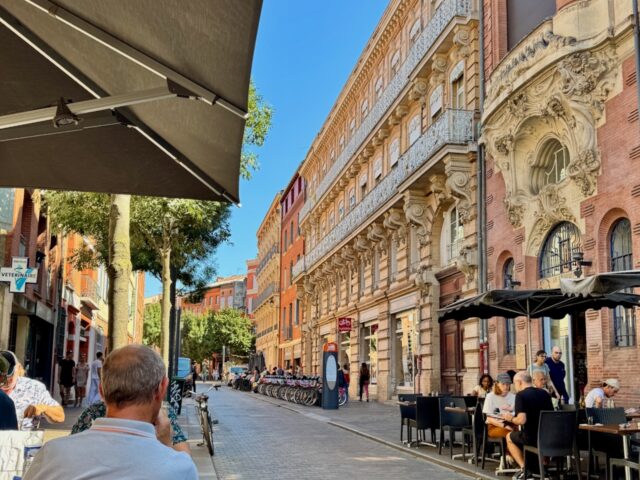
Place de la Daurade and the adjacent streets are a great place to stop for a meal or a drink. There are many options – one restaurant I can recommend is La Santine.
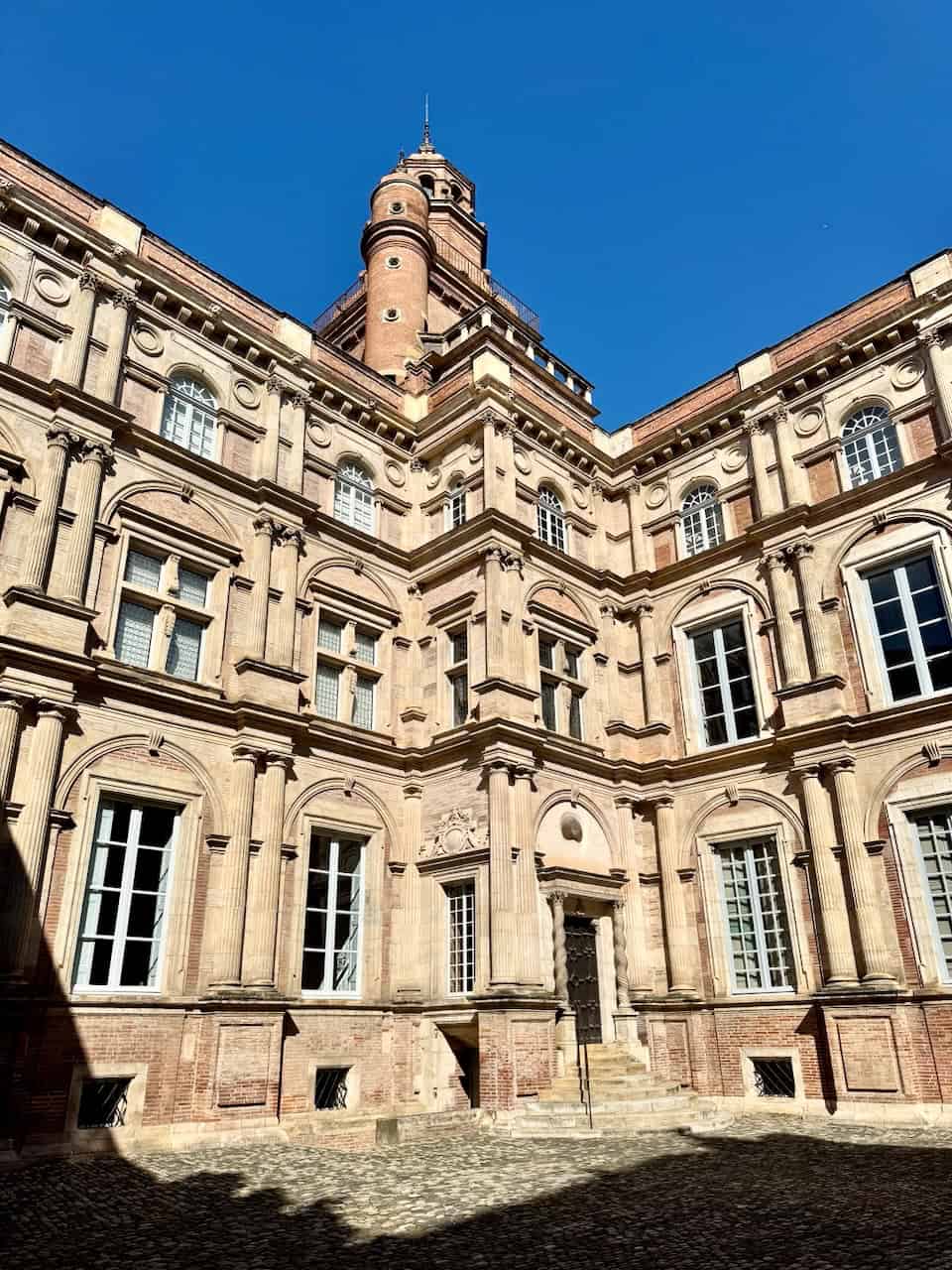
Hôtel d’Assézat
This 16th-century mansion showcases art and decorative treasures from the Renaissance and beyond. Don’t miss its stately courtyard, which is free to enter.
Les Carmes
A vibrant, colourful quarter, Les Carmes is one of my favourites to explore. From the lively Place de la Trinité, make your way down Rue des Filatiers, an absolutely delightful street, to the heart of Les Carmes: its covered market. Visit the market in the mornings to obtain the freshest produce and indulge in freshly-baked pastries.
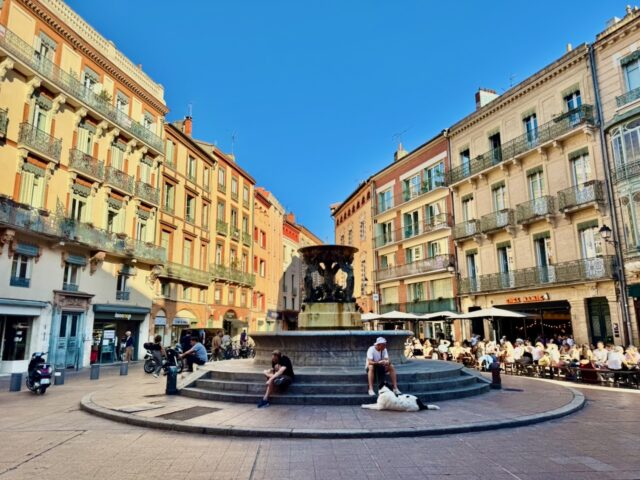
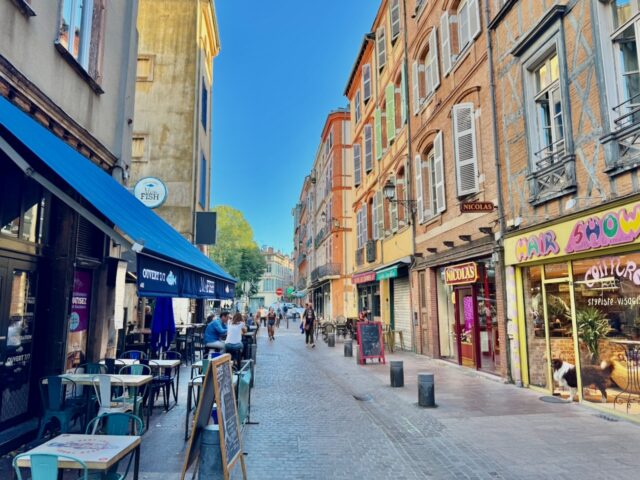
From here, streets fan out, leading you into quiet lanes and hidden squares. Explore the areas surrounding Place des Carmes and Notre-Dame de la Dalbade church, and you’ll find quaint medieval houses, rustic wine taverns and cosy cafés.
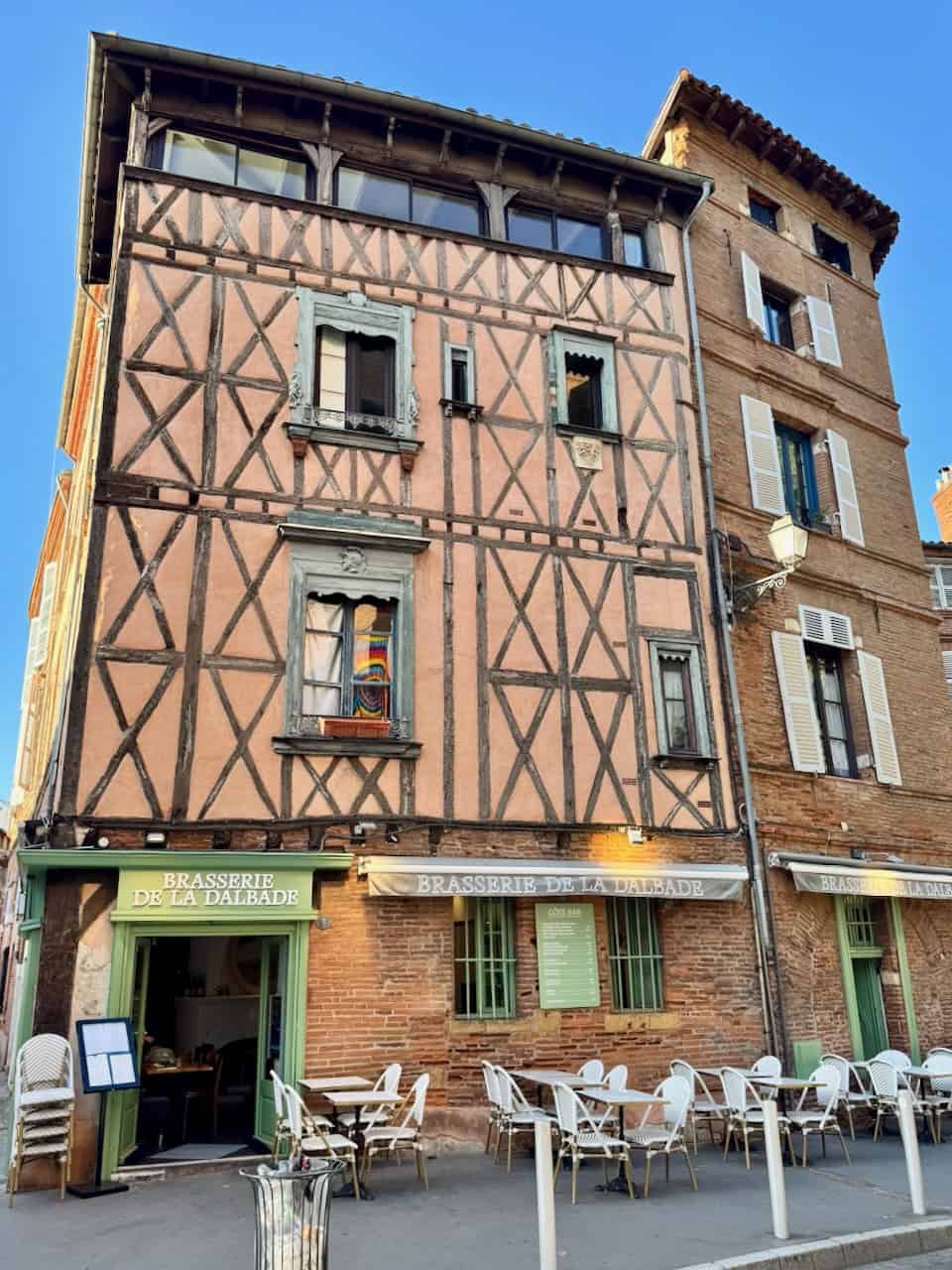
For art lovers, I recommend visiting Musée des Arts Précieux Paul-Dupuy, a fine and decorative arts museum located in a 17th century townhouse.
Further southeast lie the expansive Jardin Royal gardens, which are perfect for a relaxing stroll.
Saint-Étienne
Saint-Étienne is an elegant quarter with a wonderful mix of chic residences, tranquil squares, and rustic streets which transport you back to the Middle Ages. The focal point of this quarter is undoubtedly the splendid Cathédrale Saint-Étienne.
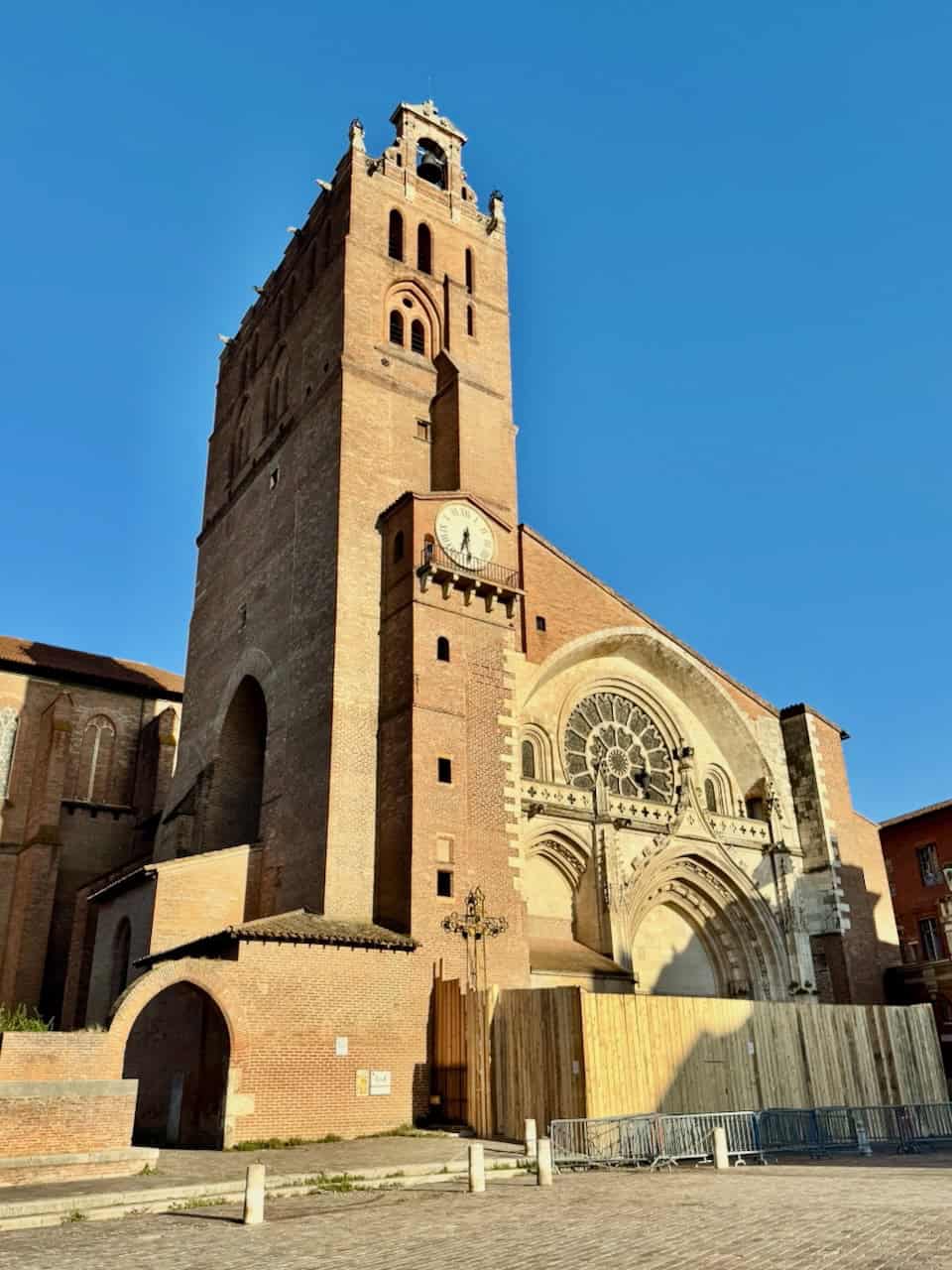
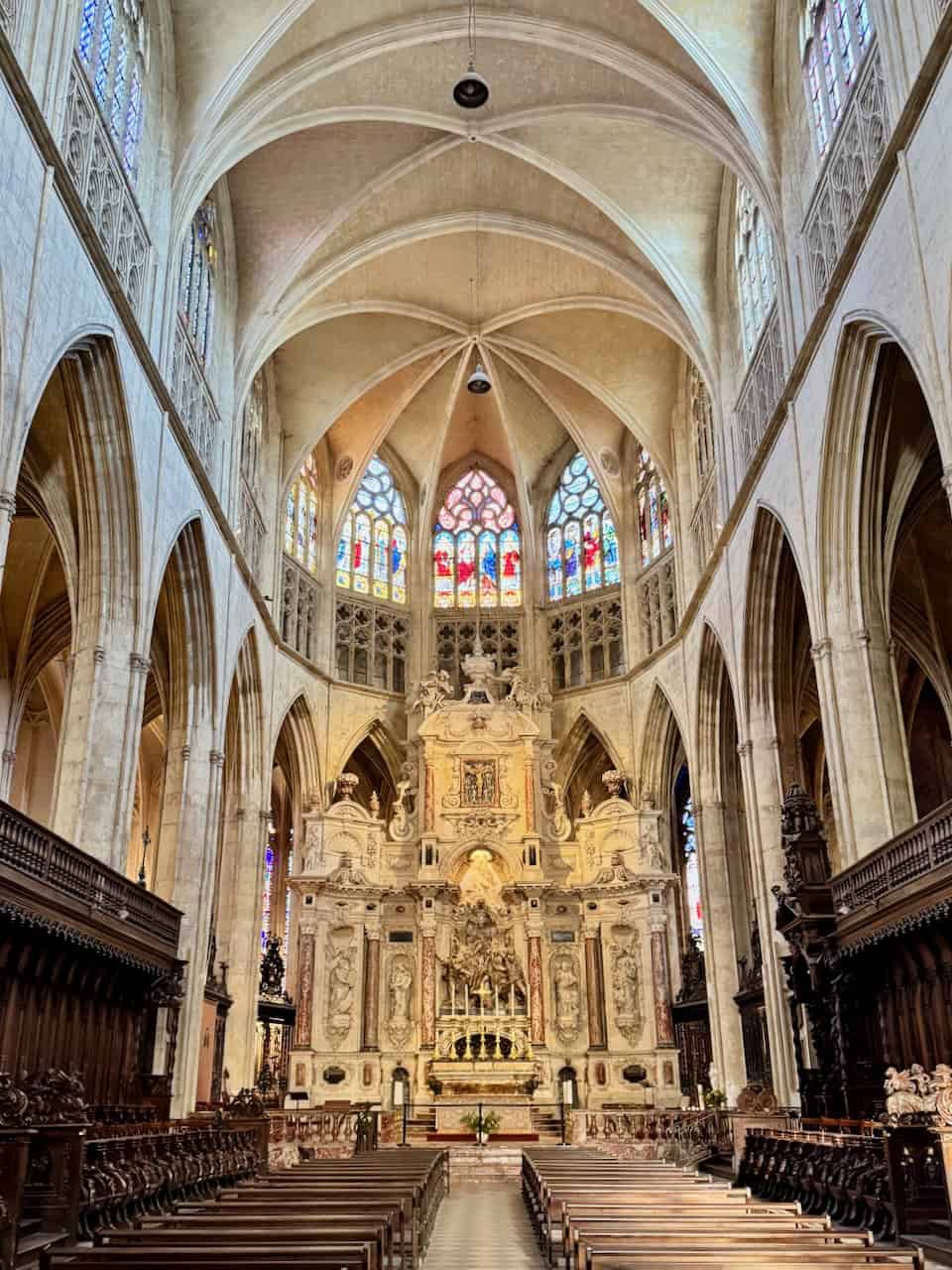
The seat of the Archbishop of Toulouse, this 13th century church is a unique blend of Southern and Northern Gothic styles. The highlight of this church is arguably its ornate Baroque altar.
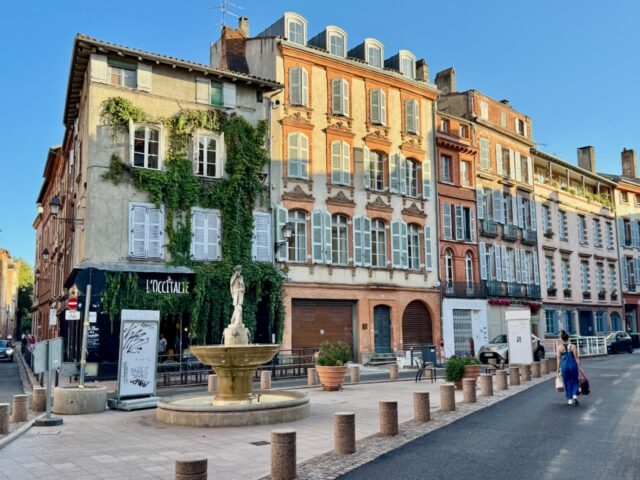
I recommend exploring the streets west and south of the Cathedral such as Rue Croix Baragnon (with its classy eateries, boutiques and cafés), Rue Pierre de Fermat down to Place Sainte-Scarbes, and the medieval Rue Merlane. Restaurants I can recommend in this quarter include Gaïa and Hortùs Toulouse, both of which can be found in Rue Croix Baragnon, and Standard., opposite the Cathedral.
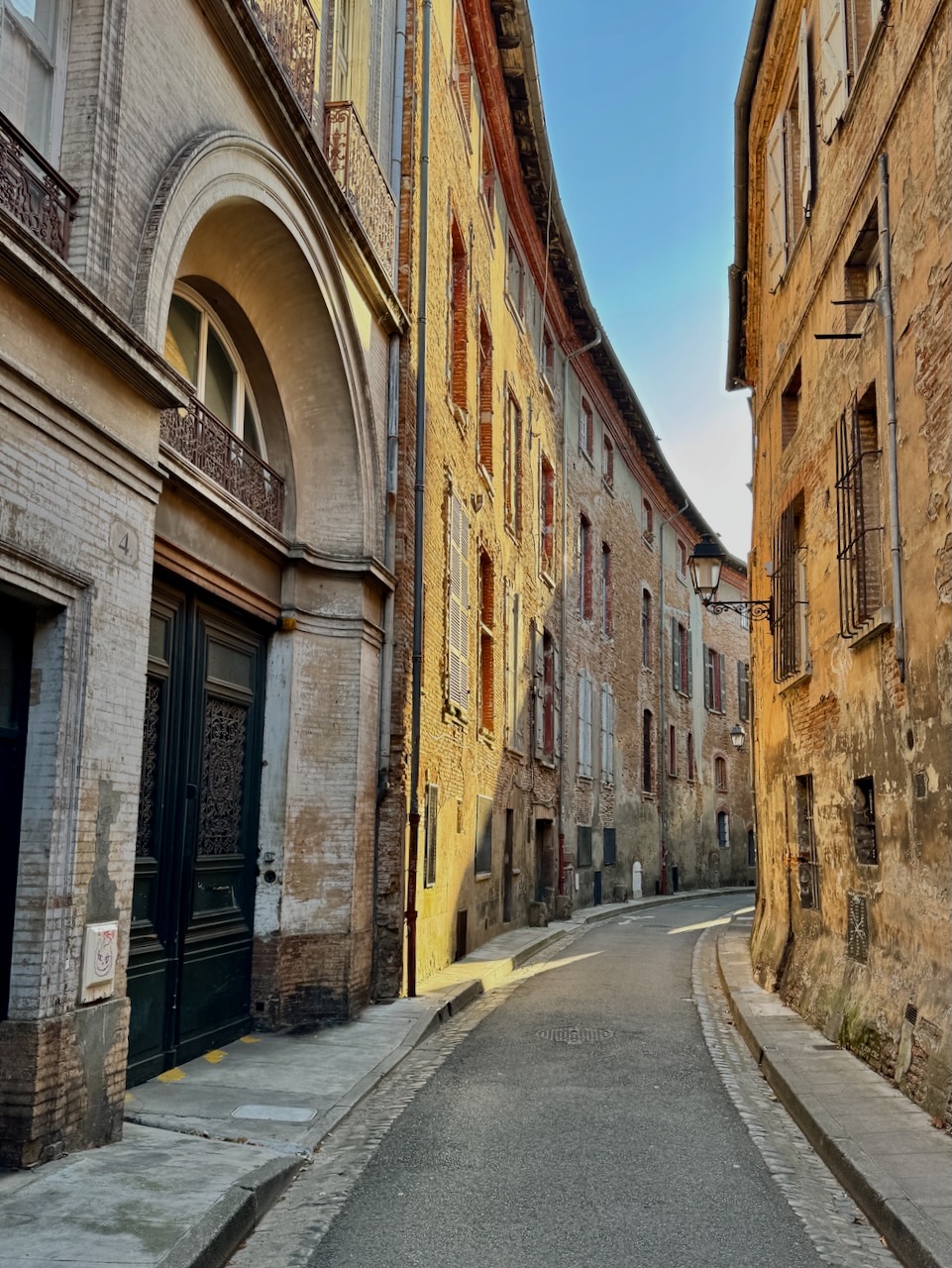
Musée des Augustins
Housed in a former Gothic convent dating back to 1309, the Musée des Augustins is one of France’s oldest fine art museums. Its collection spans sculptures and paintings from the Middle Ages to the early 20th century.
A short walk from Musée des Augustins is another of Toulouse’s popular squares: Place Saint-George. This lively square, packed with cafés and restaurants, is busy day and night due to its cafés, restaurants and playground.
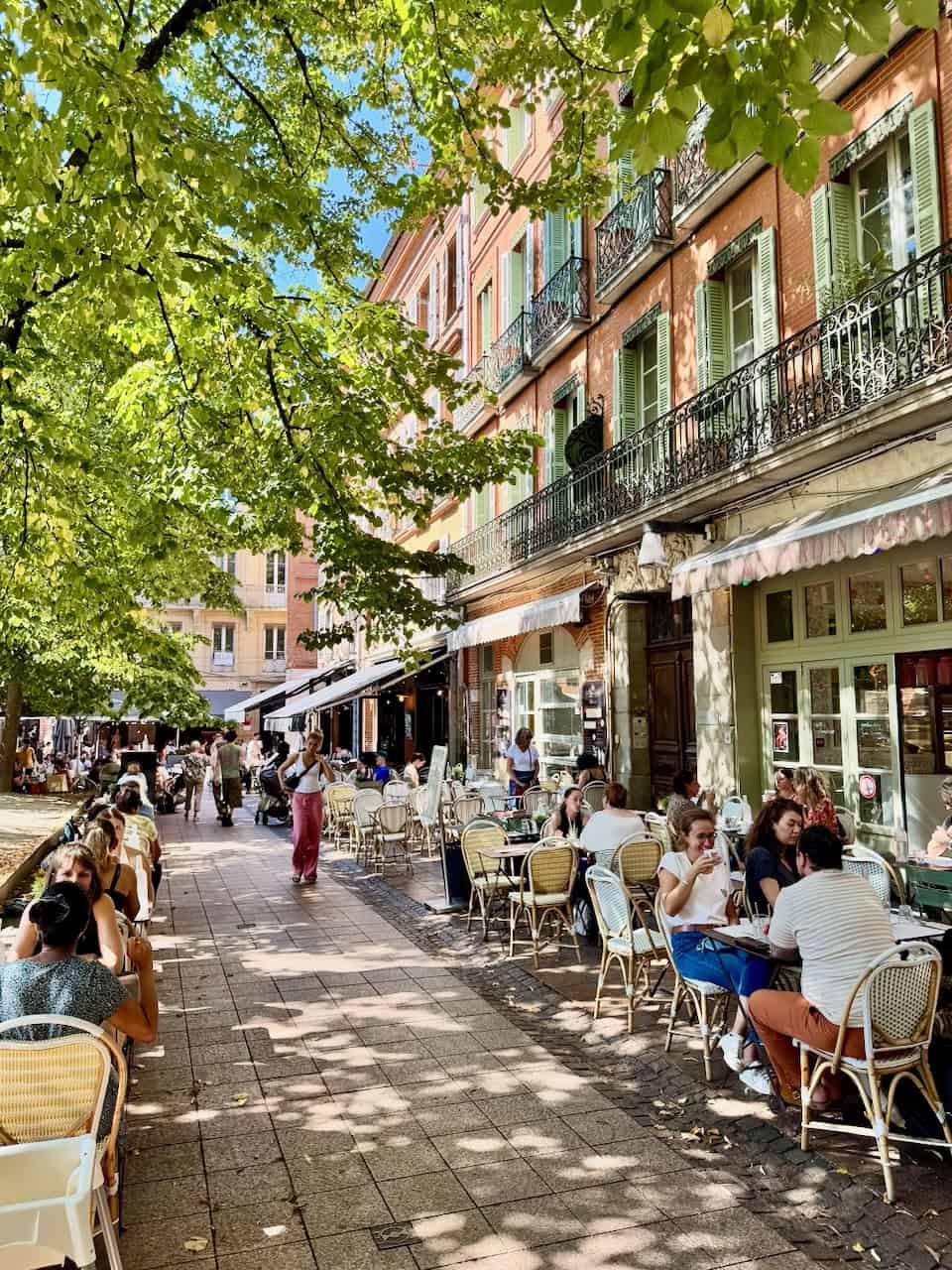
Saint-Aubin
This quarter occupies the area between the city centre and Canal du Midi. Famous for its artisanal market every Sunday morning, when the quarter bursts to life, Saint-Aubin is otherwise a serene area for a stroll. Don’t miss the Saint-Aubin Church, a wondrous mix of Byzantine, Gothic and Romanesque styles. The Sunday market takes place in the streets surrounding the church.
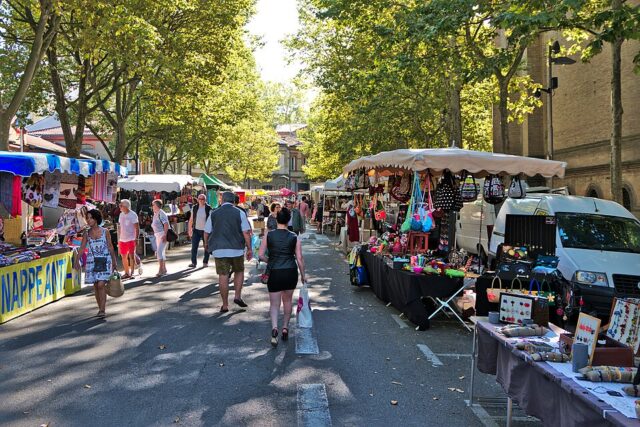
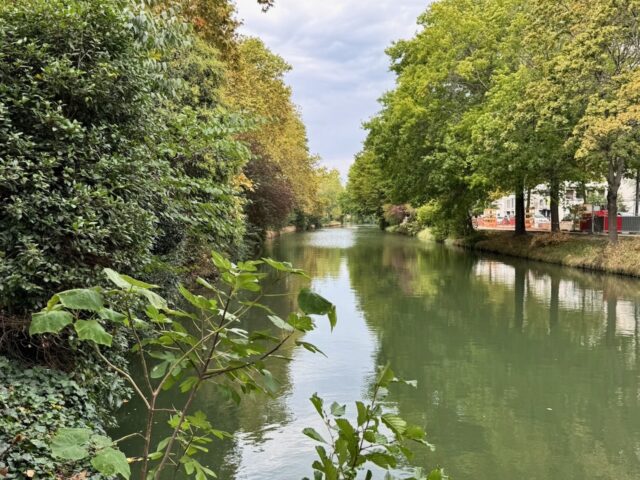
Behind the church, you’ll find the Canal du Midi. A UNESCO World Heritage engineering marvel, this historic canal stretches from Toulouse to the Mediterranean. Its shaded banks are popular amongst cyclists and joggers.
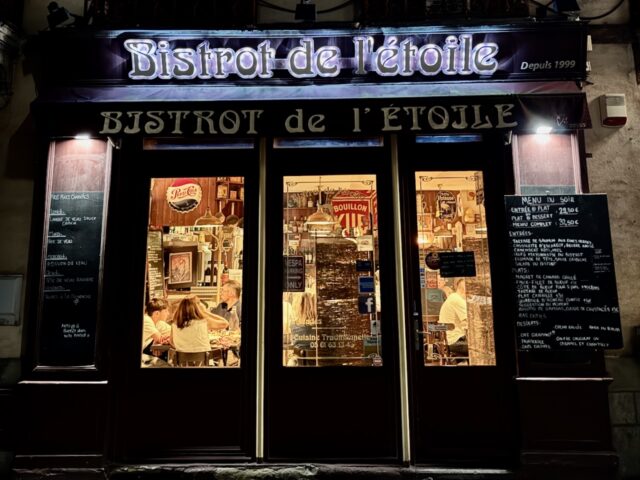
One restaurant I can recommend in this quarter is L’etoile, a cosy bistro that serves terrific French food at reasonable prices.
Airbus factory
For aviation geeks, a visit to the Airbus factory is a must. There, you’ll be able to see the final assembly of aircraft such as the A350 and A321. You’ll also get to see the cool Beluga transport aircraft. Tours only run on Thursdays and Saturdays (outside school and public holidays) and slots run out fast so I suggest booking a few months in advance. Visit Manatour for more info.

Where to stay in Toulouse
There are many accommodation options in Toulouse, from five-star hotels to family-owned B&Bs. Hotels I’ve stayed at and can recommend include Le Grand Balcon (just off Place du Capitole), Hotel des Arts (Saint George) and OVYO Hotel (near Pont Neuf).
How to get to Toulouse
High-speed trains connect Toulouse with major cities in France, whilst Toulouse-Blagnac Airport has daily flights to major European capitals. From the airport, it’s a 20-minute taxi ride to the city centre.