Sultanahmet is the historic heart of Istanbul and the area most first-time visitors start with. Located on the European side of the city’s Historic Peninsula, it brings together Istanbul’s most important landmarks — Hagia Sophia, the Blue Mosque, Topkapı Palace, and the Basilica Cistern — all within a compact, walkable area.
I’ve visited Sultanahmet multiple times over the years, both on short stays and longer trips, and it’s the part of Istanbul I return to whenever I want to reconnect with the city’s history. Once the political and ceremonial center of the Byzantine and Ottoman empires, it remains the best place to understand how Istanbul’s layers fit together.
Despite its small size, Sultanahmet can’t be fully “done” in a single visit. Even after several visits, I still notice details I missed before — quieter side streets, small courtyards, changing views as the light shifts across the skyline.
This guide pulls together what I’ve learned from being on the ground: what’s worth your time, what’s walkable, where to eat well, and how to experience Sultanahmet beyond simply ticking off the main sights.
| Quick Facts About Sultanahmet | What To Know |
|---|---|
| Location | Historic Peninsula, European side of Istanbul |
| Best For | First-time visitors, history lovers, walkable sightseeing |
| Main Sights | Hagia Sophia, Blue Mosque, Topkapı Palace, Basilica Cistern |
| How To Get Around | On foot or via the T1 tram line |
| Time Needed | 1–3 days depending on pace and interest |
| Good To Know | Major landmarks are very close together, but lines can be long during peak hours |
Skip Ahead To My Advice Here!
A Brief History Of Sultanahmet In Istanbul
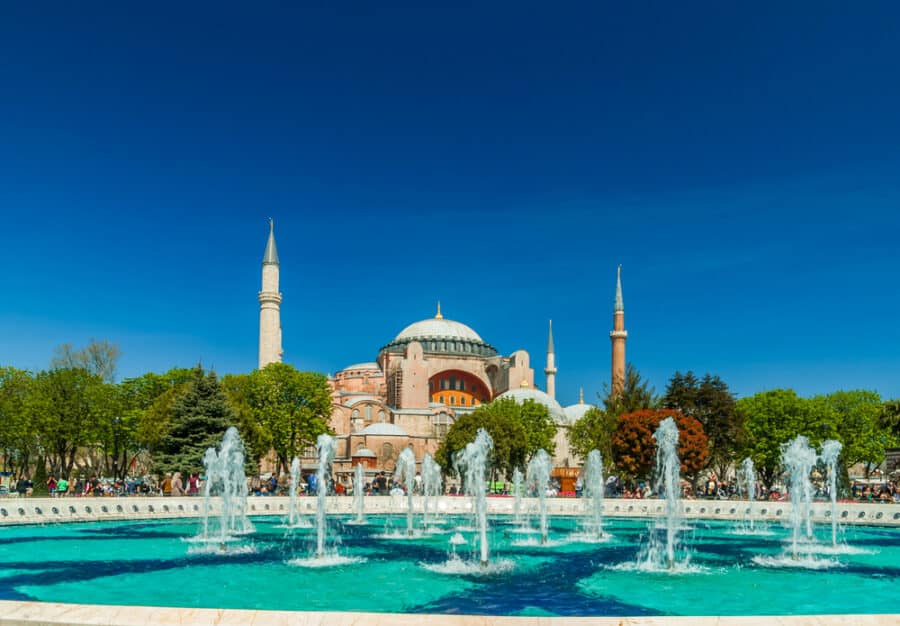
Let’s begin with a brief history of the place. As previously said, Sultanahmet, commonly known as the “Old City,” is in Istanbul’s historical peninsula, the “heart of Istanbul.” The region’s long history dates to prehistoric times and has served as a political, cultural, and religious center for various civilizations.
The history of Sultanahmet dates back to the Byzantine Empire, when the area was a vibrant commercial and cultural center. In the fourth century AD, the Roman Emperor Constantine the Great chose the area as the new capital of the Roman Empire, renaming it Constantinople.
It was a prominent cultural and economic center for the empire. It was home to several significant religious and civic structures, notably the Hagia Sophia, one of the world’s largest cathedrals.
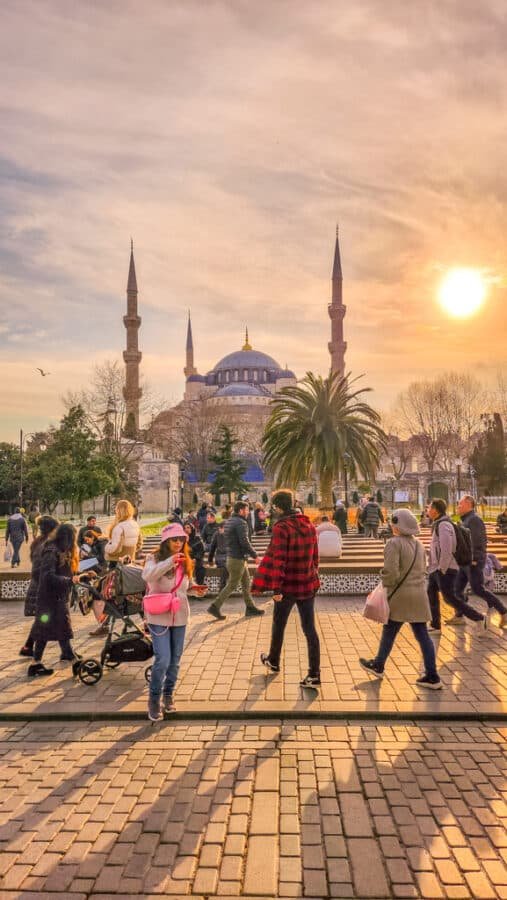
In 1453, Sultan Mehmed II of the Ottoman Empire conquered Constantinople and established it as the capital of his empire. Sultanahmet flourished as a noteworthy center of Islamic culture and education throughout the Ottoman rule.
The Ottomans constructed many impressive structures in the area, notably the Blue Mosque and the Topkapı Palace, which housed the Ottoman sultans and their courts. Many other notable Islamic institutions, like madrasahs, hammams, and public fountains, were also located in the region.
Today, Sultanahmet is a significant historical landmark and a popular tourist destination, highlighting Istanbul’s rich history and culture. The district is an excellent place to learn about the city’s past, present, and future; it also serves as a testament to Istanbul’s rich cultural heritage and enduring significance in the region.
The Hagia Sophia, Blue Mosque, and Topkapı Palace are all located in the neighborhood and are among Turkey’s most important cultural and architectural monuments.
Top Sights To See In Sultanahmet For First-Time Visitors
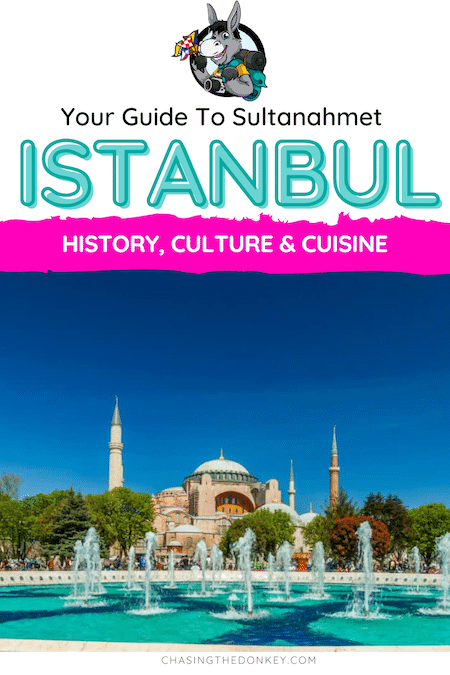
Although every corner of Sultanahmet is worth exploring, there are some sights every visitor should see.
Hagia Sophia
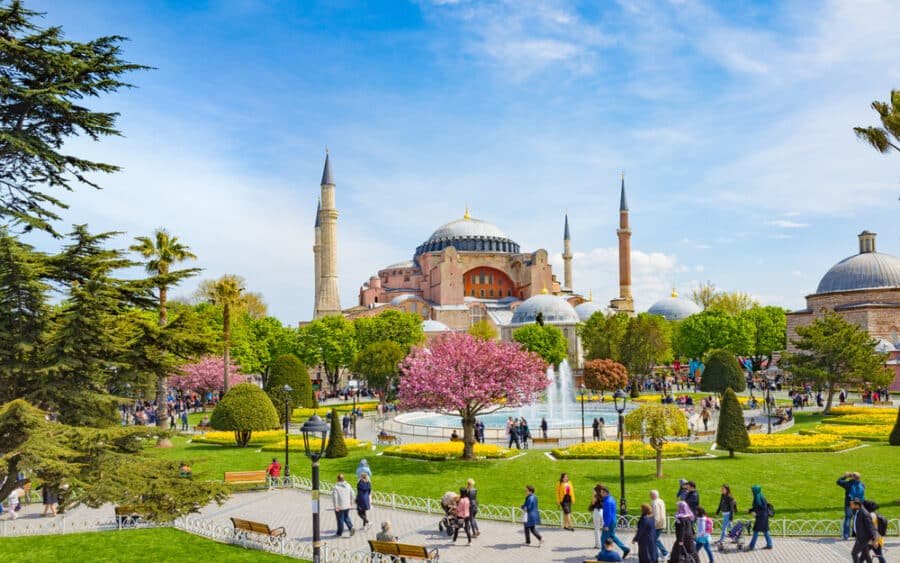
Everyone interested in history, culture, and religion should visit Hagia Sophia and discover its history, beauty, and significance for themself. Throughout history, this structure served as a cathedral, a mosque, and a museum.
Hagia Sophia was the largest cathedral in the Byzantine Empire when it was built in 537 AD. The structure is one of the finest examples of Byzantine architecture and art.
Its dome, measuring approximately 102 feet (31 meters) in diameter, was an architectural masterpiece that tremendously influenced later Byzantine and Ottoman architecture.
The vibrant mosaics that decorate the large structure serve as a window into Byzantine art and culture and as remnants of a fallen empire.
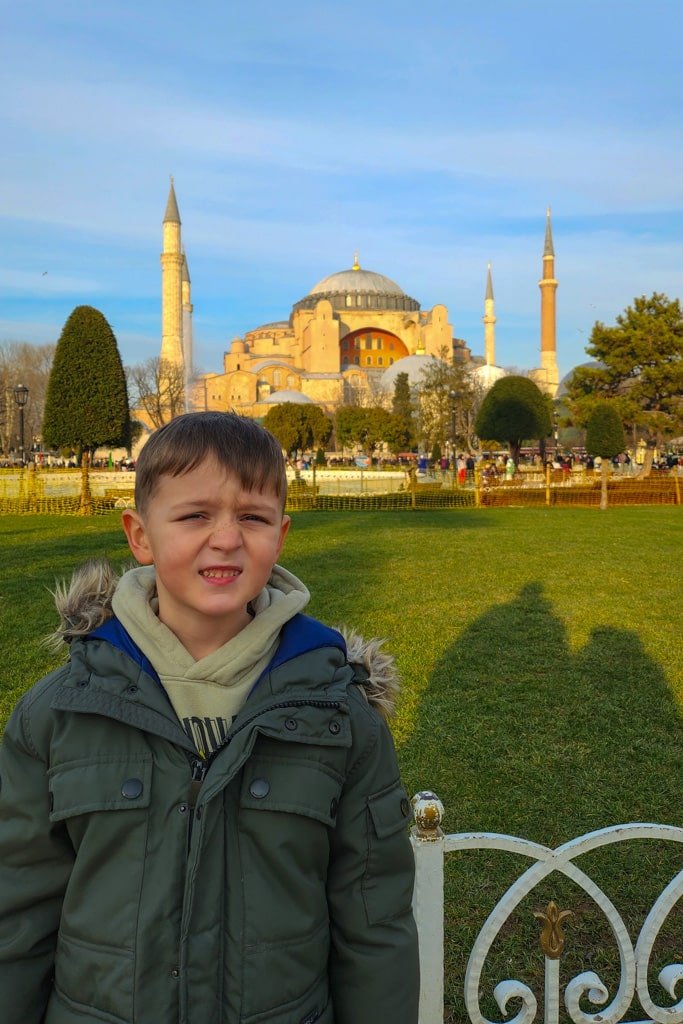
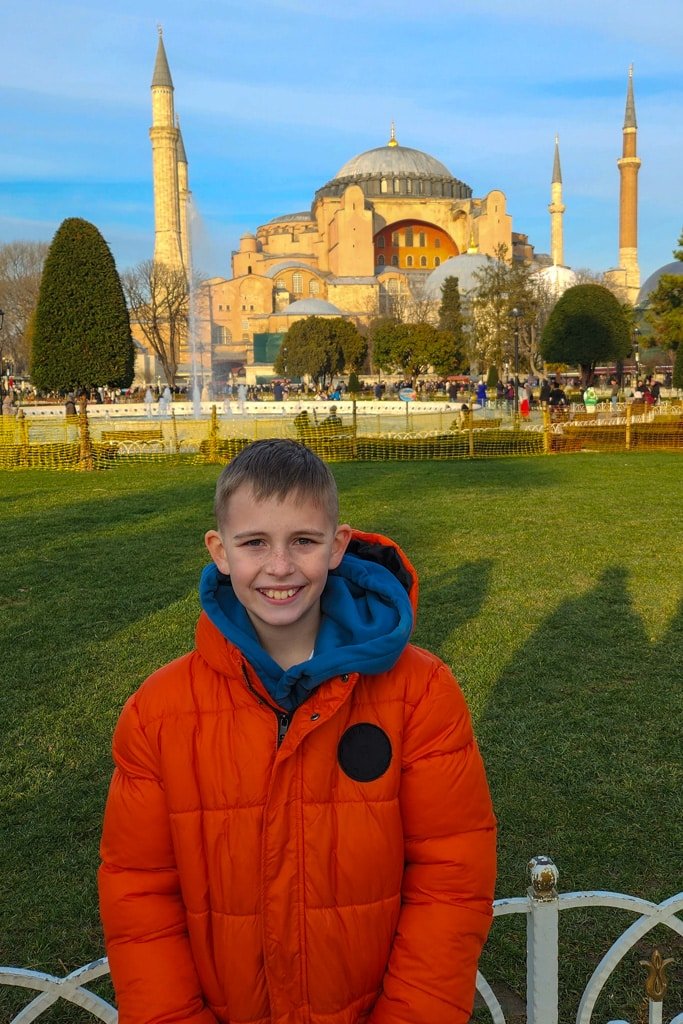
Hagia Sophia’s history is also highly remarkable. It served as the Eastern Orthodox cathedral of Constantinople from 537 until 1204, and again from 1261 until 1453, when Mehmed II converted it into a mosque following the Ottoman conquest.
Almost 500 years later, in 1935, the structure was converted into a museum by Mustafa Kemal Atatürk, the founder of modern Turkey. However, in 2020, Hagia Sophia was restored as a mosque, ending its long and rich history as a museum and initiating a new chapter as a place of worship.
Note: As of January 15th, 2024, Hagia Sophia Grand Mosque has introduced a distinct policy for tourists and worshippers. If you’re visiting for cultural exploration, there’s now a 25 euro entry fee. This ticket grants you access to the gallery floor, where you can admire the sanctuary’s stunning Ottoman and Byzantine features, including the historic mosaics.
This new policy is all about balancing the preservation of this iconic site and enhancing the visitor experience, while ensuring that daily worship remains undisturbed.
Handy QR codes offer insights in 23 languages, making your visit both informative and enjoyable. For the latest updates and details, it’s a good idea to check out their official website.
Blue Mosque
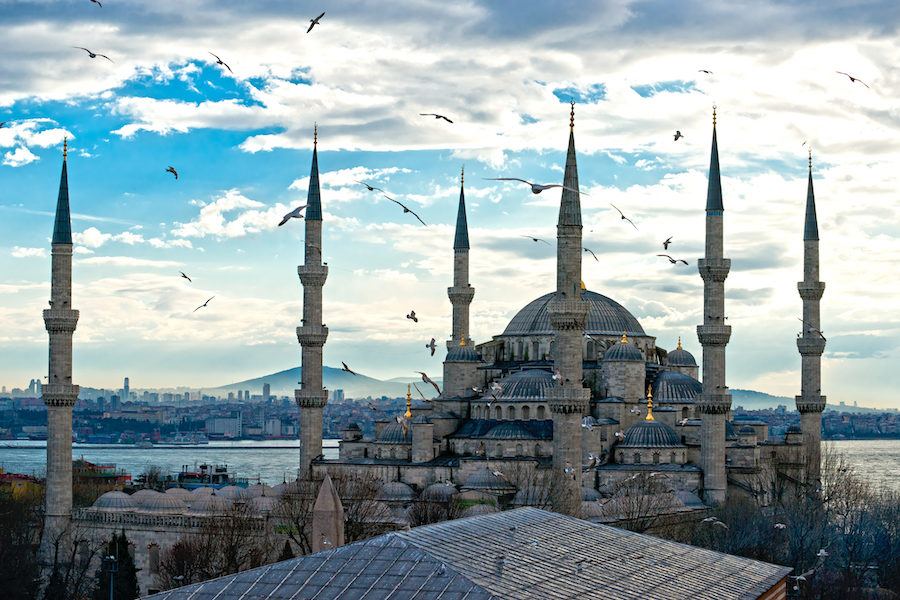
Also known as the Sultan Ahmet Mosque, the Blue Mosque is an Ottoman Mosque known for its six minarets and blue İznik tilework that covers the interior walls, giving the mosque its distinctive blue color.
The Blue Mosque is notable for its architectural style, which combines conventional Islamic and Byzantine elements. Its massive central dome, six minarets, and cascading semi-domes were designed to complement and visually rival nearby Hagia Sophia, which strongly influenced the mosque’s architectural design.
The structure is a monument to the skill and inventiveness of the Ottoman architects and artisans who created it, and one of the most stunning examples of Ottoman architecture.
Blue Mosque is still an active place of worship and is considered one of the most important Islamic monuments in the city. However, with its unique blend of architectural styles, history, and culture, the mosque offers an unforgettable experience to visitors of all backgrounds.
Hotels Close By
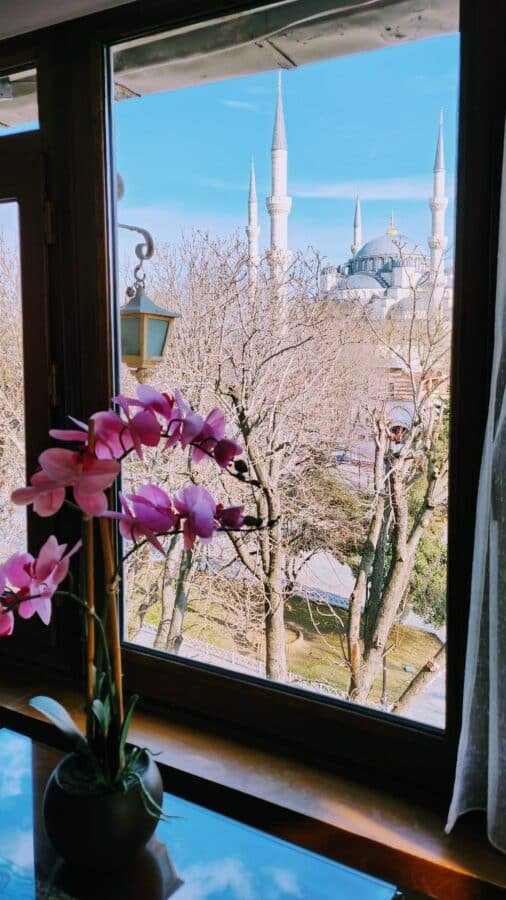
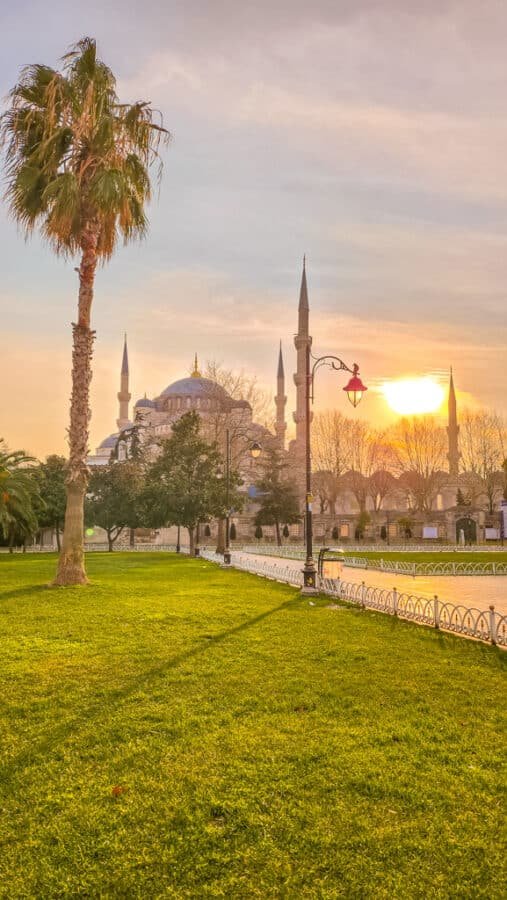
There are so many great hotels near the Blue Mosque; we stayed at one with this view from the bedroom.
Topkapı Palace
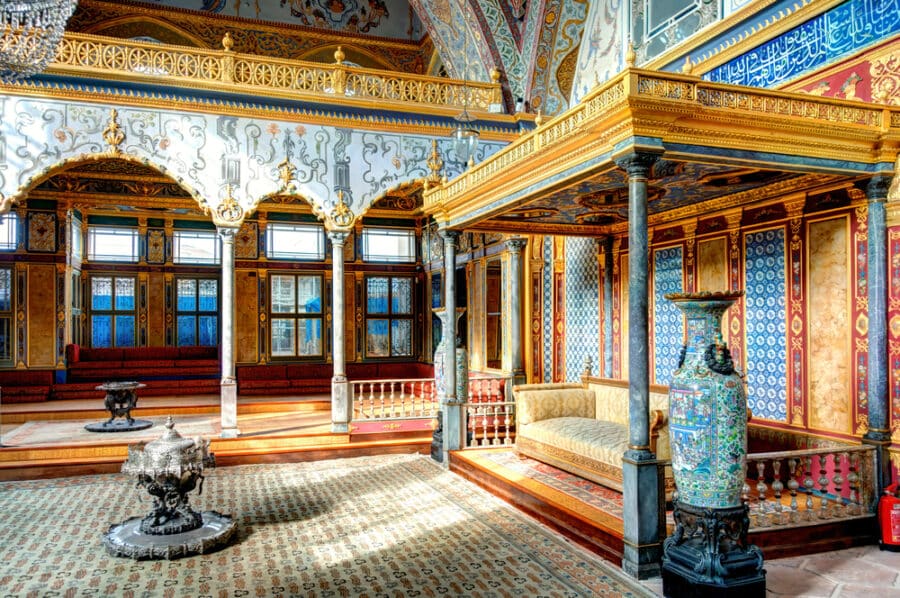
Topkapı Palace served as the administrative and ceremonial center of the Ottoman Empire. It was the court of the Ottoman sultans for centuries, and they ruled the entire empire from this very spot. Among Istanbul’s other palaces, Topkapı is the one that most influenced Ottoman history.
After the Ottomans took Constantinople in 1453, they erected the palace on the site of a Byzantine acropolis. It served as the Ottoman Empire’s political and administrative center, the Sultan’s palace, and the seat of his court. Many notable events in Ottoman history occurred within its walls, including coronations, feasts, and diplomatic ceremonies. It also housed many imperial artifacts, and the palace’s harem was one of the most luxurious in the world.
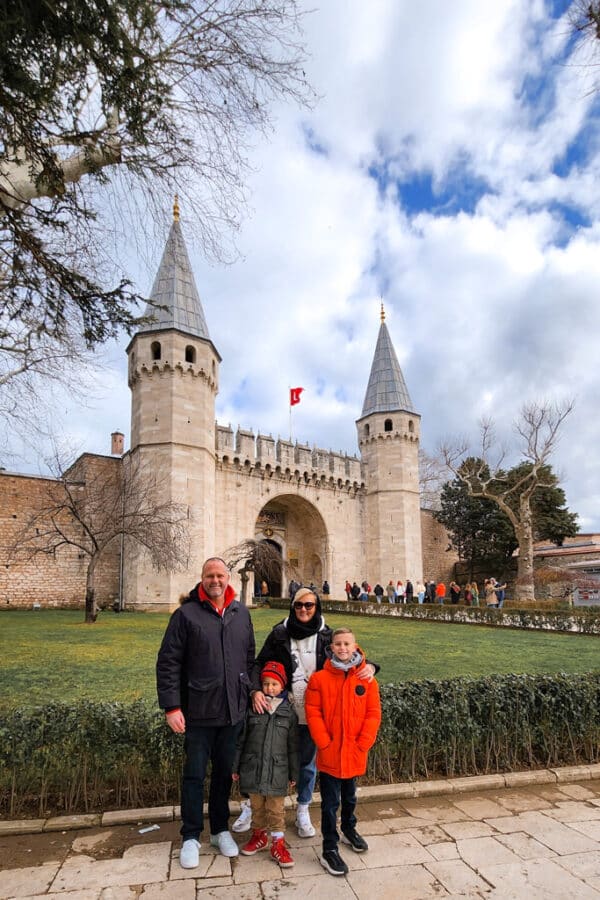
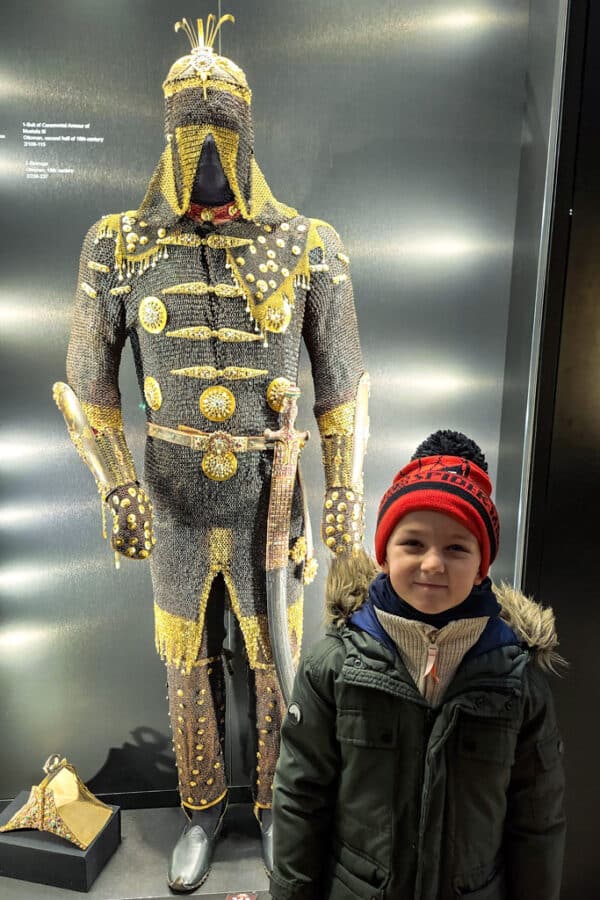
Visiting the Topkapı Palace is an opportunity to travel back in time and experience the Ottoman Empire’s richness and majesty. Through the numerous exhibits and relics on display, the structure allows visitors to learn about the Ottoman Empire’s history and culture. Therefore, if you want to make the most of your vacation to Sultanahmet, you should add Topkapı Palace to your itinerary and allow a few hours to explore it top-to-toe.
Grand Bazaar
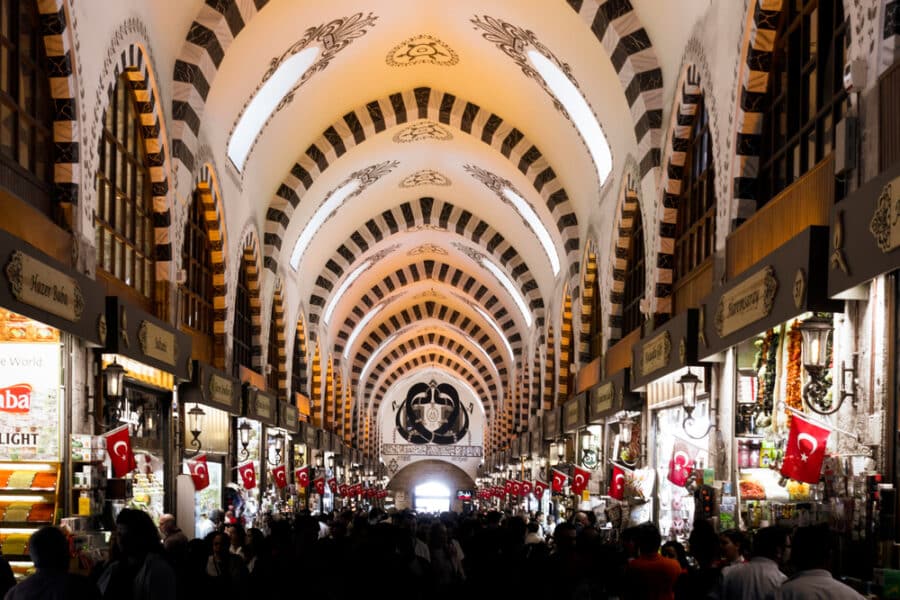
The Grand Bazaar, one of the world’s oldest and largest covered markets, is a must-see for both shopping and tourists. The Grand Bazaar was, and still is, a significant economic landmark in Istanbul.
The bazaar’s history dates back to the 15th century, when Ottoman Sultan Mehmed II built it as a primary market for the city’s merchants. It was more than just a place to shop; it also had cultural, social, and economic significance.

Visiting the Grand Bazaar is an excellent chance to immerse yourself in Istanbul’s unique culture and history.
Walking through the bazaar is a true adventure that offers visitors insight into how the market has grown over time and how essential it has been to the city’s economy and culture.
The bazaar is also an excellent place to buy souvenirs and gifts for loved ones, but you may have to haggle over prices and avoid getting scammed as part of the experience.
Basilica Cistern
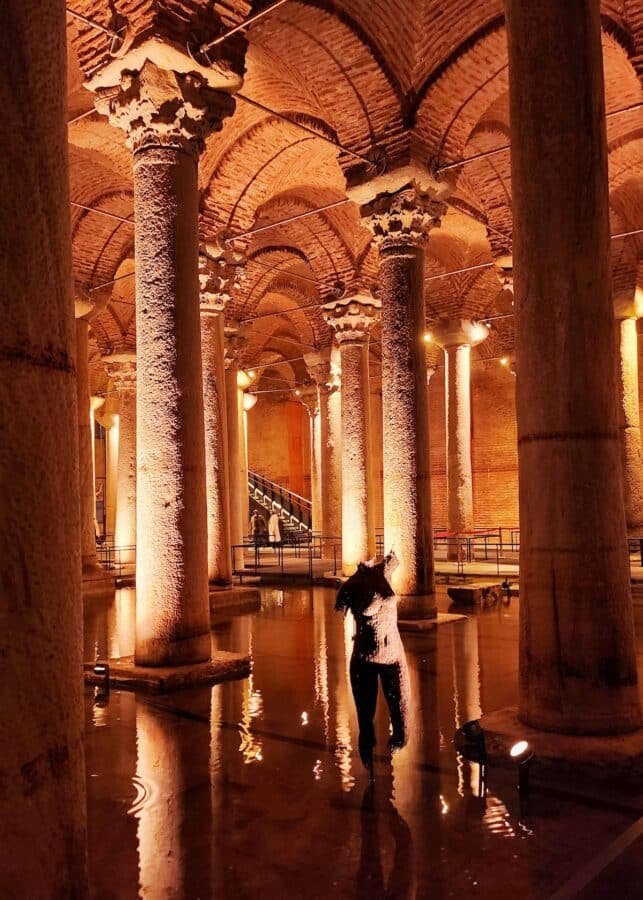
The Basilica Cistern, an old underground cistern dating back to Byzantine times, is one of Sultanahmet’s most remarkable attractions. Basilica Cistern, a fine example of Byzantine architecture, was built by Byzantine Emperor Justinian I in the 6th century AD to store water for the Great Palace of Constantinople. However, a few centuries later, the cistern went into disuse and was largely forgotten until its rediscovery in the 16th century. Nowadays, the cistern is open to visitors and is one of Istanbul’s most popular tourist attractions.
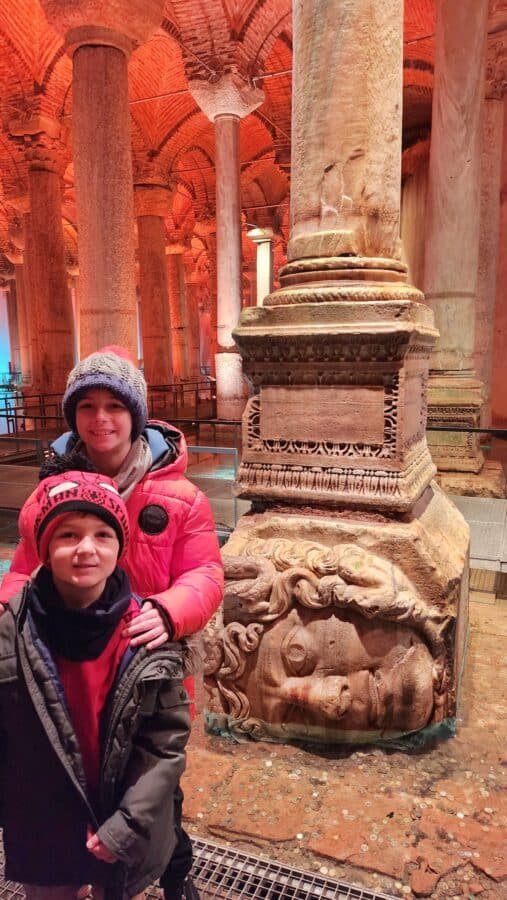
The cistern is significant in Istanbul’s history and a must-see for anybody interested in Byzantine architecture.
Street Food
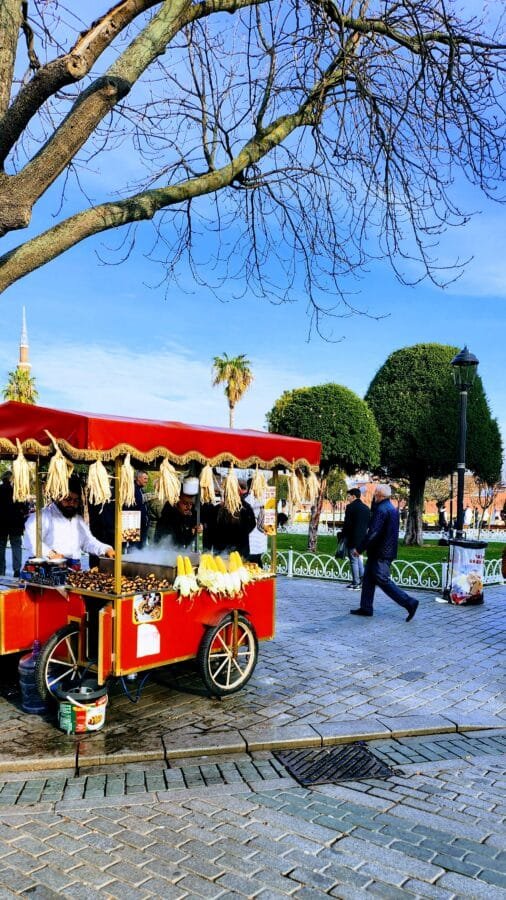
There’s lots of street food in Istanbul to try. From skewered meats and Turkish delights to cobs of corn and roasted chestnuts, there’s something for everyone. And, of course, no trip to Istanbul would be complete without sampling some of the delicious street food on offer.
Sultanahmet is well-known for its cob of corn and roasted chestnut sellers. Both are typically sold by vendors who set up shop in busy areas, and they’re quite affordable. The corn is cooked over an open fire, and the chestnuts are roasted on a special grilling device. The vendor will then peel back the husks or shells, making them a tasty snack while on the go, exploring the city.
Ice Cream

In Istanbul, there’s a famous ice cream that’s quite different from what we’re used to in the West. It’s called Dondurma, and it’s made with mastic, a resin from the mastic tree. This gives the ice cream a chewy, sticky consistency that’s really unique.
If you’re in Istanbul, you have to try it – just be warned, the Turkish ice cream vendors are known to be pranksters. One such Turkish ice cream prank is a tradition in which ice cream sellers make customers reach for a cone, then pull it away and repeat the trick over and over.
Or, as in my son’s case, they made him open his mouth for the ice cream, but he was left with nothing but a paper towel in his mouth – doh!
Aga Hamami
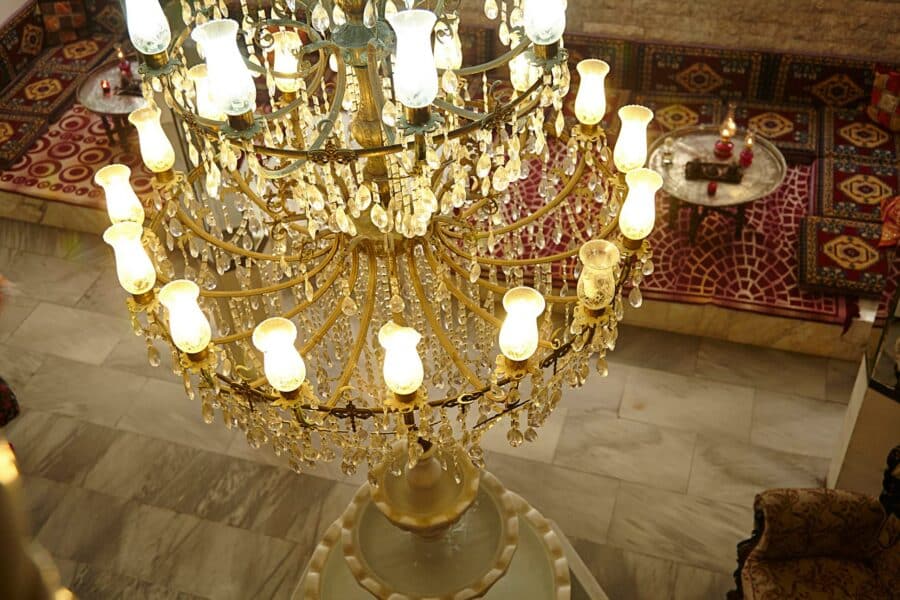
If the hammam experience isn’t enough to thrill you, perhaps experiencing Ottoman history here will. It has been renovated only twice: once in the 1980s and once by Sultan Abdulmecid during the Ottoman era. This hammam’s long history dates back to the reign of Mehmet the Conqueror.
Constructed in 1454 during the reign of Mehmed II, this Turkish bath is among the oldest surviving hammams in Istanbul.
The first Turkish bath in Istanbul was built for Sultan Mehmet and his sons a year after the city of Constantinople (modern-day Istanbul) was captured.
The least expensive package, which includes the customary body cleaning, starts at approximately €45–€60, depending on season and availability.
As a result, it is among the most affordable of the more well-known ancient baths. You can mix and match packages, although the most expensive ones might last up to three hours.
It is one of the few hammams that allow couples to use the steam room. You’ll be split up when you get cleaned, but you can have some sweet apple tea together later.
AGA HAMAMI HAMMAM INFO
Address: Kuloglu Mh., Turnacibasi Cd. No. 48 Aga Hamami, 34433, Taksim Contact: +90 (249) 249 50 27
Watch A Whirling Dervish Performance
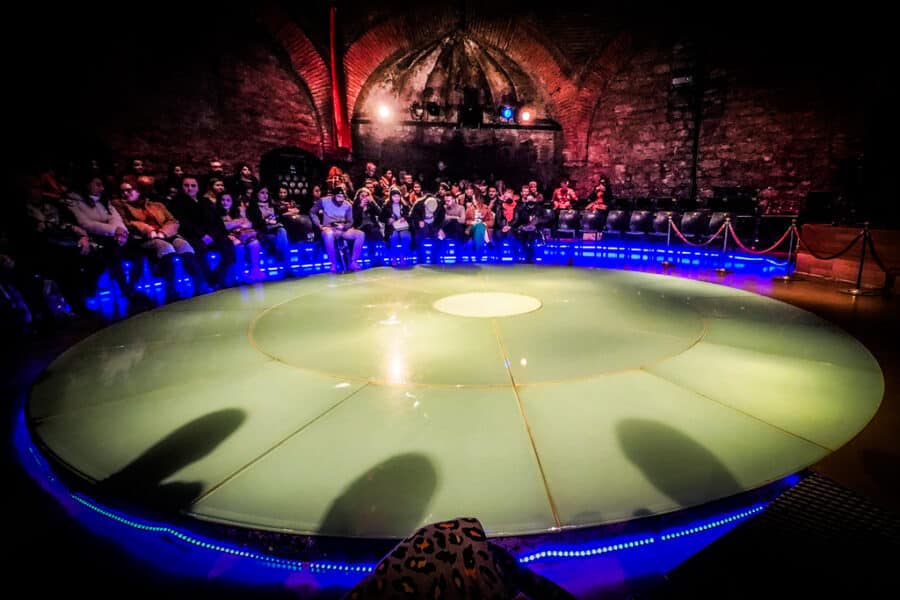
You can watch these captivating ceremonies at many locations throughout Istanbul, but an excellent option is the Hocapaşa Culture Center, which is easily reached on foot from Sultanahmet.
This iconic ceremony is a spiritual, meditative dance that has been declared a UNESCO World Heritage Site and is one of the best things to do in Istanbul at night, even with kids (ages 6-7+). My two boys, aged five and ten, sat quietly and enjoyed it.
Hodjapasha Dance Theater, located in a converted 15th-century Turkish bath within walking distance of Sirkeci train station, is where we chose for our Whirling Dervish experience.
During our visit, performances were held every Tuesday, Thursday, and Saturday (at 7 pm). Then, beginning in March, daily ceremonies were scheduled.

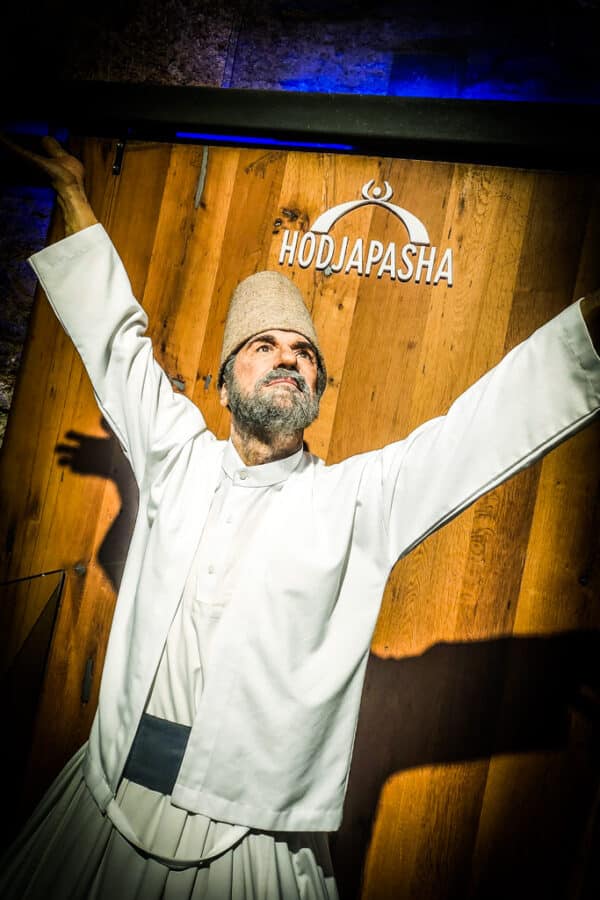
Though it may look like an art performance of sorts, it is still actually a religious ceremony. I was disappointed they asked us not to take any photos (even without a flash), but I understood why.
You also cannot talk or leave your seat at any time while the Dervishes spin, so make sure the kids use the restroom (on the lower floor) before the start time.
Book tickets here
Brands We Use And Trust
Best Places To Eat In Sultanahmet
Like many cities in Turkey, Istanbul offers you the opportunity to try unique cuisine at its restaurants. Sultanahmet is home to many charming cafes, restaurants, and traditional Turkish teahouses, making it a great place to spend a day or two exploring Istanbul’s history and culture.
Sultan Palace Cafe Restaurant
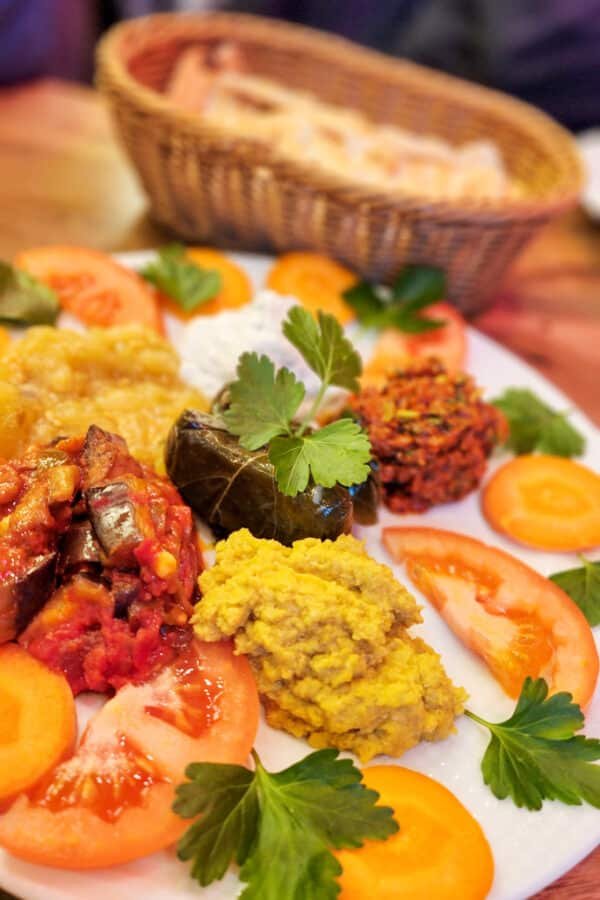
We were recommended this place by local friends who know the owners and staff, who assured us that, while not a cheap place to eat, we’d be guaranteed a proper Turkish meal. We were not left disappointed.
Easy to find, the Sultan Palace Cafe Restaurant is on a side street at Alemdar, Biçki Yurdu Sk. No:1, 34122 Fatih. We were struggling to decide what to eat, even with a decent menu. Roko knew he wanted to try a kebab, while Vladimir was keen on a meat pide. Hubby and I were scratching our heads and tossing up what to choose when the waiter made suggestions for us.
Love that.
So, what to eat there? Well, I got the Iskender kebab, while the server suggested a hot and entertaining meal for Mr. Chasing the Donkey. He got the flaming testi kebab, also known as a pottery kebab.
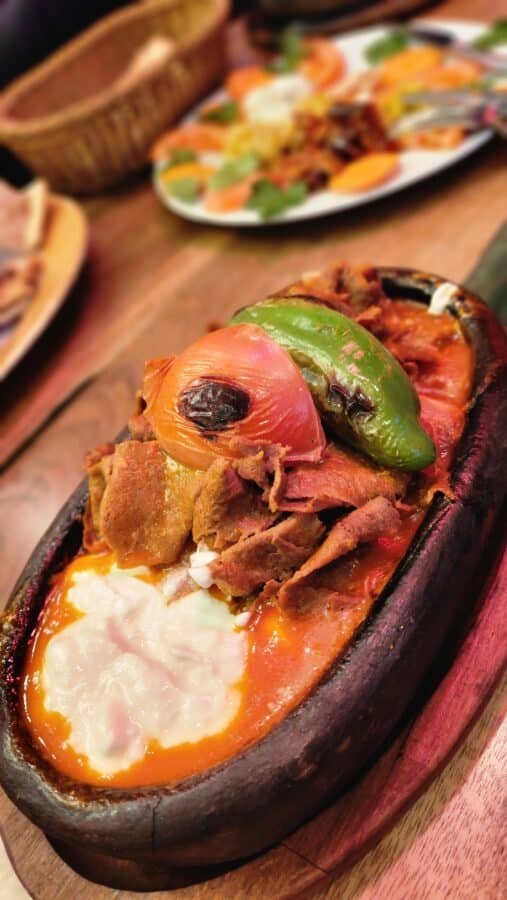
Testi kebabs are a traditional dish from Turkey. The dish is made by slow-cooking meat and vegetables in a clay pot (testi means “clay” in Turkish), which helps infuse flavors and create a succulent meal.
The key to making great testi kebabs is using fresh, high-quality ingredients. The meat is marinated overnight in a mixture of spices and yogurt, then cooked slowly over low heat for hours. This allows the flavors to fully develop and penetrate the meat, resulting in a tender, juicy dish.
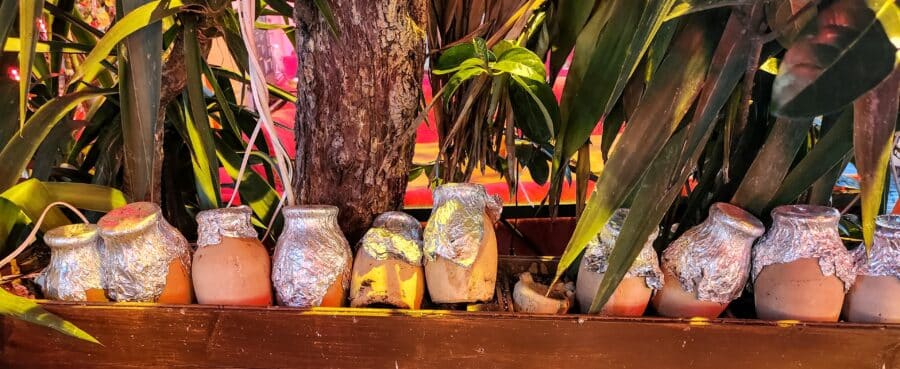
Testi kebabs are an ideal option for those looking for a hearty and satisfying meal and one for the IG. Vegetables such as onions, carrots, and potatoes are added to the pot, not only adding flavor but also helping bulk out the meal. The dish is then reheated in flamed at your table – which is super fun to watch.
While there, I suggested you also try the platter of dips – meze as it’s known. It came with bread and was tasty.
Şehzade Cağ Kebap
A çiğ kebap is a Turkish dish made with lamb, yogurt, and spices. It is considered one of the best kebabs in the world, and it is definitely worth trying if you are ever in Turkey. The lamb is cooked slowly over a charcoal fire, and the yogurt helps to keep the meat moist and flavorful. The spices add a nice depth of flavor, resulting in a truly delicious kebab.
The best place to have one in Istanbul is at Şehzade Cağ Kebap. They offer great prices and warm, attentive service.
We had four kebabs with flatbreads, salad, yogurt, drinks, and dessert for under 1,500–1,800 Turkish Lira at the time of our visit.
Visit this lovely spot off the beaten path, in some back streets, so the only downside is navigating your way there – but it’s worth it, I promise.
Loti Roof Lounge
Loti Roof Lounge is an attractive, sophisticated eatery in Istanbul’s ancient Sultanahmet district. The atmosphere is inviting and refined, and the cuisine is wide and wonderful, with many international delicacies likely to delight any palate. The restaurant provides a unique dining experience combining international cuisine, specialty cocktails, and panoramic city views.
One of the restaurant’s most valuable qualities is its proximity to some of Istanbul’s most famous attractions. A short walk away is the Çemberlitaş Hammam, one of Istanbul’s oldest and most significant Ottoman hammams, and the Basilica Cistern, an ancient underground chamber dating to the 6th century.
Best Areas And Hotels To Stay In Sultanahmet
Istanbul offers visitors many accommodation options throughout the city. However, if you’re wondering where to stay in Sultanahmet, near the city’s most significant sights, such as Hagia Sophia or the Blue Mosque, we have a suggestion!
Alzer Hotel
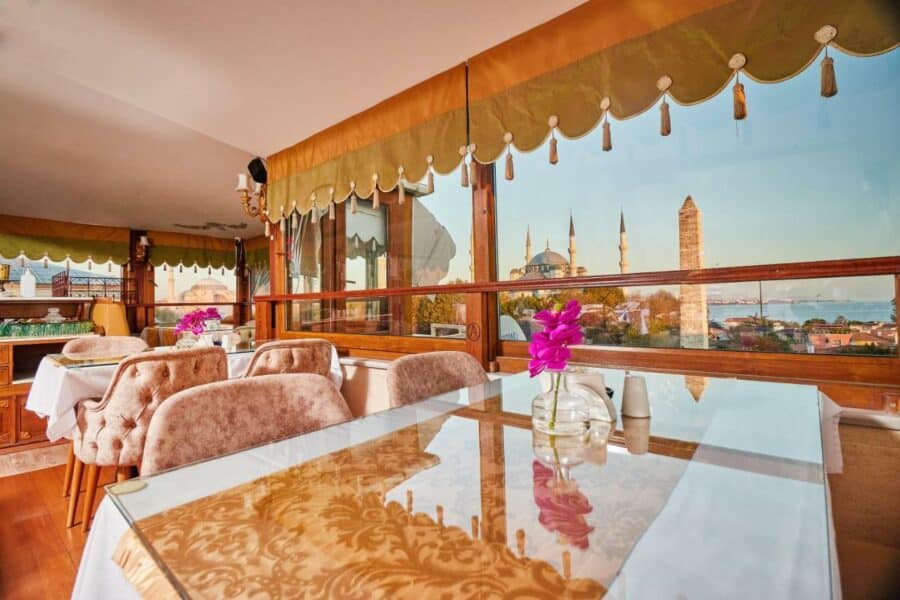
The Alzer Hotel, located in Istanbul’s famous Sultanahmet district, is ideal for those seeking a comfortable, convenient base from which to explore the city. The prime location opposite the Blue Mosque allows guests to experience the best of Istanbul.

With its high-quality amenities, the King Suite at Alzer Hotel is ideal for visitors seeking to experience Istanbul in style. However, the King Suite’s main selling point is its breathtaking view of the Blue Mosque and the Mediterranean. Waking up with a view of one of the world’s most magnificent buildings and the sea is an unforgettable experience.

No spam. Unsubscribe at any time.
Sultanahmet Istanbul FAQs
SULTANAHMET FAQS
Why should I visit Sultanahmet in Istanbul?
Sultanahmet is the historic center of Istanbul and home to many of the city’s most important landmarks, including Hagia Sophia, the Blue Mosque, Topkapı Palace, and the Basilica Cistern, all within walking distance.
Is Sultanahmet located in Europe or Asia?
Sultanahmet is located on the European side of Istanbul, on the city’s Historic Peninsula.
Is Sultanahmet safe for tourists?
Sultanahmet is generally considered a safe and well-policed area for visitors and is busy throughout the day and evening due to tourism.
What is the best area to stay in Istanbul for sightseeing?
Sultanahmet is one of the best areas for sightseeing, especially for first-time visitors who want easy access to major historical attractions.
What are the top things to do in Sultanahmet?
Top experiences include visiting Hagia Sophia, the Blue Mosque, Topkapı Palace, the Basilica Cistern, Gülhane Park, Sultanahmet Square, the Grand Bazaar, and sampling Turkish street food.
Are there quieter or off-the-beaten-path spots in Sultanahmet?
Less crowded spots include Arasta Bazaar, Soğukçeşme Street, nearby museums, and smaller carpet galleries offering insight into traditional designs.
How do I get from Taksim Square to Sultanahmet?
Travelers typically take the F1 funicular from Taksim to Kabataş, then transfer to the T1 tram to Sultanahmet.
How do I get from the airport to Sultanahmet?
Popular options include HAVAIST airport buses, private transfers, or a combination of metro and tram connections, depending on the airport.
Now that you have this list of things to do in Sultanahmet, Istanbul, we’d love to know where you’ll head first.